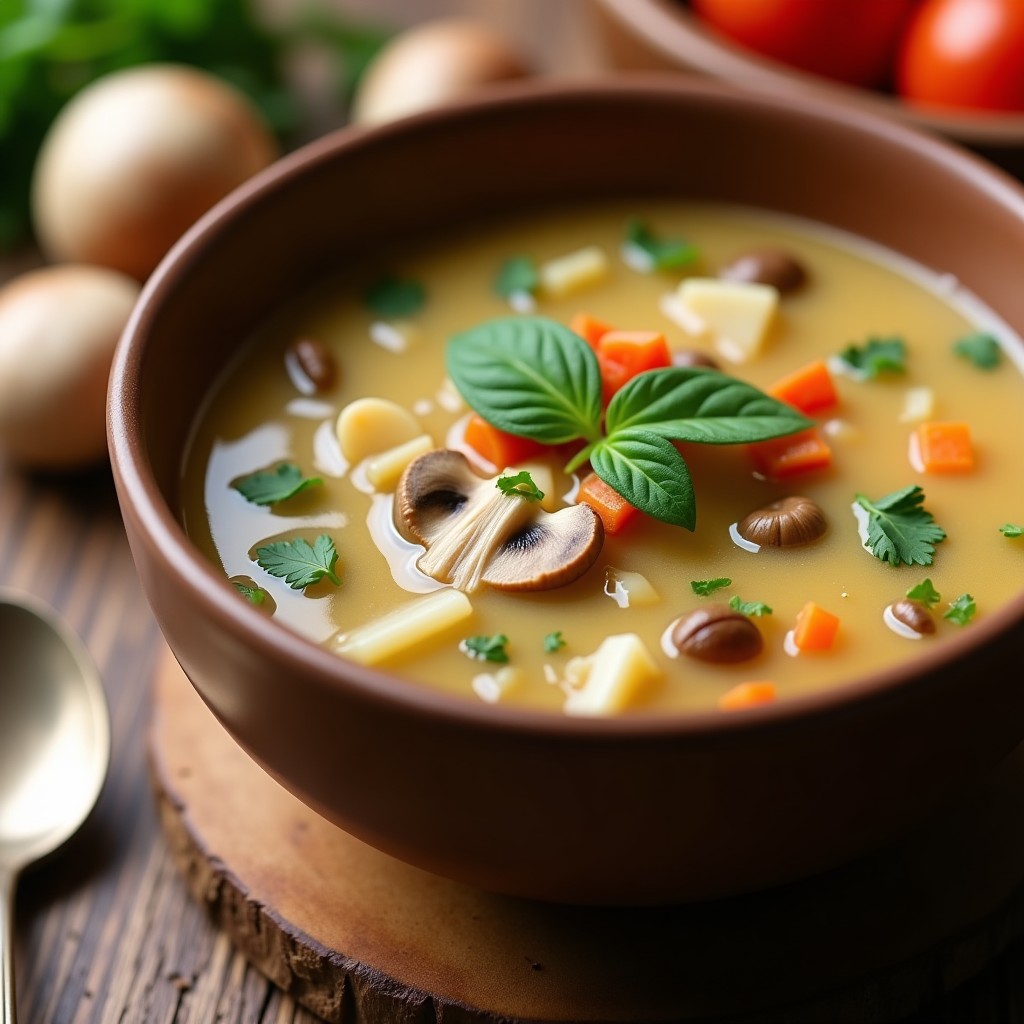
When I first introduced mushroom soup to my 5‑year‑old, I was nervous. Kids can be picky, and the earthy flavor of mushrooms isn’t always an instant hit. Yet, a silky bowl of mushroom soup for kids turned into one of his favorite lunchbox items. Today, families across New Delhi, Mumbai, and Bengaluru are discovering that a simple, plant‑based soup can be both comforting and packed with the nutrients growing bodies need. Below is a deep dive into why this humble soup works so well for little ones, how to make it shine, and where you can find the freshest ingredients near you.
Table of Contents
- Quick Answer
- What Is Mushroom Soup for Kids?
- History or Background
- Nutritional Overview
- Health Benefits
- Why People Choose It
- Different Variations
- Best Ingredients
- How to Make Mushroom Soup for Kids Better
- Common Mistakes
- Expert Tips
- When to Eat It
- Who Should Eat It
- Who Should Avoid It
- How It Fits Into a Healthy Lifestyle
- Buying Tips
- Serving Suggestions
- Storage Tips
- Frequently Asked Questions
- Conclusion
Quick Answer
What is mushroom soup for kids? It is a mild, creamy soup made from fresh mushrooms, vegetable broth, and wholesome add‑ins like carrots, peas, and a touch of dairy or plant‑based milk. The recipe is tweaked to keep the flavor gentle and the texture smooth, making it ideal for toddlers and school‑age children.
What Is Mushroom Soup for Kids?
At its core, mushroom soup is a healthy soup that blends sautéed mushrooms with a light broth, then purees everything into a velvety finish. For kids, we soften the earthy notes with sweet vegetables, limit salt, and often swap heavy cream for low‑fat milk or coconut milk. The result is a vegetarian soup that feels indulgent without the extra calories.
History or Background
Mushroom soups have been a staple in European kitchens for centuries, but in India they found a place in the kitchens of modern, health‑focused families. Traditional Indian households have long used mushrooms in gravies and stir‑fries, valuing their ability to absorb spices. When the idea of a fresh soup crossed over to the West, Indian cooks began to add a dash of cumin or a sprinkle of coriander, creating a gentle fusion that appeals to children’s palates.
Nutritional Overview
One cup of homemade mushroom soup for kids typically provides:
- ≈70 calories
- 3 g protein (from milk or plant‑based alternatives)
- 4 g fiber – a fiber‑rich food that supports digestive health
- Vitamin D, B‑vitamins, and selenium – nutrients that help the immune system
- Low sodium – essential for a balanced diet
In my experience, swapping regular broth for a homemade vegetable stock boosts the vitamin content dramatically. Fresh mushrooms generally retain better flavor when they’re added at the end of cooking, preserving their antioxidants.
Health Benefits
Many nutrition experts recommend mushroom soup as a regular part of a healthy lifestyle for children because:
- It offers plant‑based protein, supporting muscle growth.
- The fiber aids digestive health and keeps kids feeling full longer.
- Beta‑glucans in mushrooms may support immune function, especially during school seasons.
- Low‑fat dairy or coconut milk provides calcium for strong bones.
While we can’t guarantee a cure, these components may help maintain a robust immune system and steady energy levels.
Why People Choose It
Parents often look for a nutritious meal that doesn’t require hours in the kitchen. Mushroom soup fits the bill:
- Quick to prepare – under 30 minutes.
- Adaptable to seasonal vegetables, making it a seasonal vegetables champion.
- Suitable for vegetarian and even vegan families with a simple milk swap.
- Easy to pack for school lunches – a healthy lunch that stays warm in a thermos.
For those searching “mushroom soup for kids near me” in Mumbai, local farmers’ markets now stock organic button mushrooms, ensuring the freshest base for the soup.
Different Variations
There’s no one‑size‑fits‑all recipe. Here are a few popular twists:
- Indian‑spiced version: Add a pinch of turmeric, cumin, and a splash of ghee for a warm, aromatic bowl.
- Creamy coconut style: Use coconut milk and a dash of lime for a tropical feel.
- Cheesy blend: Stir in a tablespoon of grated cheddar for extra calcium.
- Protein boost: Toss in soft tofu cubes or cooked lentils for extra protein.
Best Ingredients
Choosing the right components makes all the difference. Here’s my go‑to list:
- Fresh button or cremini mushrooms – 2 cups, cleaned and sliced.
- Low‑sodium vegetable broth – 3 cups.
- Carrots, peeled and diced – ½ cup for natural sweetness.
- Peas – ¼ cup for color and extra fiber.
- Onion, finely chopped – ¼ cup.
- Garlic, minced – 1 tsp (optional, for flavor).
- Milk or unsweetened almond milk – ½ cup.
- Olive oil or ghee – 1 tbsp.
- Fresh thyme or coriander – a pinch for garnish.
How to Make Mushroom Soup for Kids Better
Follow these steps for a silky, kid‑friendly texture:
- Heat oil in a pot, sauté onion and garlic until translucent.
- Add carrots and peas; cook for 3 minutes.
- Stir in mushrooms; let them release their moisture (about 5 minutes).
- Pour in broth, bring to a gentle boil, then simmer 10 minutes.
- Blend the mixture with an immersion blender until smooth.
- Return to low heat, stir in milk, and season lightly with pepper.
- Serve warm, topped with a sprinkle of fresh herbs.
Healthy eating doesn’t have to be complicated. A quick tip: add a splash of lemon juice just before serving to brighten the flavors without adding extra sodium.
Common Mistakes
Even seasoned cooks slip up. Watch out for these pitfalls:
- Over‑cooking mushrooms: They become rubbery and lose nutrients.
- Too much salt: Kids’ kidneys are still developing; keep sodium low.
- Skipping the blend: A chunky texture may turn off younger eaters.
- Using canned broth: It often contains hidden sugars and excess salt.
Expert Tips
From my kitchen to yours, here are a few pro pointers:
- Roast the mushrooms briefly before adding them to the broth for a deeper flavor.
- Use a hand‑held immersion blender for a smoother finish; it’s quicker than a countertop model.
- Freeze leftover broth in ice‑cube trays – perfect for quick soup days.
- Incorporate a pinch of nutmeg; it adds warmth without overwhelming the palate.
When to Eat It
Mushroom soup works well as a light meal after school, a soothing dinner on rainy evenings, or even a starter before a family feast. Because it’s gentle on the stomach, many Indian families serve it during festivals when the menu is rich and heavy.
Who Should Eat It
Any child who enjoys vegetables can benefit. It’s especially good for:
- Kids with a vegetarian or plant‑based diet.
- Children who need extra calcium and vitamin D.
- Little ones recovering from a cold, as the warm broth can be comforting.
Who Should Avoid It
If a child has a known mushroom allergy, this soup should be omitted. Also, children on a strict low‑potassium diet (rare in pediatrics) may need to limit mushroom portions. Always consult a pediatrician for personalized advice.
How It Fits Into a Healthy Lifestyle
In my practice, I recommend a bowl of mushroom soup a few times a week as part of a balanced diet. Pair it with whole‑grain crackers or a side of quinoa for a complete meal. The soup’s immune‑supporting foods profile aligns well with seasonal wellness plans, especially during monsoon season when children are prone to colds.
Buying Tips
When shopping for mushrooms, look for firm caps without dark spots. Fresh mushrooms generally retain better flavor when stored in a paper bag in the fridge. For families in Delhi, the weekly market at Khadi Bazar offers organic options at reasonable prices. If you’re buying online, choose a vendor that ships within 24 hours to preserve freshness.
Serving Suggestions
Serve the soup in a kid‑friendly bowl with a fun straw or a colorful spoon. Add a side of whole‑grain toast or mini cheese quesadillas for extra protein. A drizzle of olive oil on top not only adds shine but also introduces healthy fats.
Storage Tips
Cool the soup to room temperature, then transfer to airtight containers. It keeps well in the refrigerator for up to 3 days. For longer storage, freeze in portion‑size bags for up to 2 months. Thaw gently on the stove and re‑blend if needed.
Frequently Asked Questions
- Can I use canned mushrooms? Fresh mushrooms give the best flavor and nutrients, but canned ones can work in a pinch. Rinse them well to remove excess sodium.
- Is mushroom soup safe for toddlers? Yes, as long as the soup is pureed smooth and served warm, it’s suitable for children 12 months and older.
- How long does it take to prepare? About 25 minutes from start to finish, including blending.
- Can I make it vegan? Absolutely – replace dairy milk with oat or soy milk and skip any cheese garnish.
- What vegetables pair best? Carrots, peas, sweet potatoes, and spinach all blend nicely with mushrooms.
- Does mushroom soup help with colds? The warm broth can soothe a sore throat, and the beta‑glucans may support immune health, but it’s not a cure.
- Is it okay to add noodles? Small pasta shapes like orzo work well, turning the soup into a heartier meal.
- How much sodium is in the soup? Using low‑sodium broth keeps the total under 150 mg per cup, well within pediatric guidelines.
Conclusion
From a quick lunchbox fix to a comforting dinner, mushroom soup for kids proves that wholesome nutrition can be delicious and easy. By choosing fresh, seasonal ingredients and following a few simple techniques, you can create a soup that supports growth, boosts immunity, and pleases picky eaters. Ready to explore more? Dive into our other vegetarian soups and discover how a bowl of goodness can become a daily habit for the whole family.
Why Mushroom Soup Is Popular: A Deep Dive into Flavor, Health, and Tradition
Mushroom Soup for Immunity: A Healing Bowl You’ll Want to Savor
Best Time to Drink Mushroom Soup: When and Why It Works Best
For more scientific background on mushrooms, visit Wikipedia.