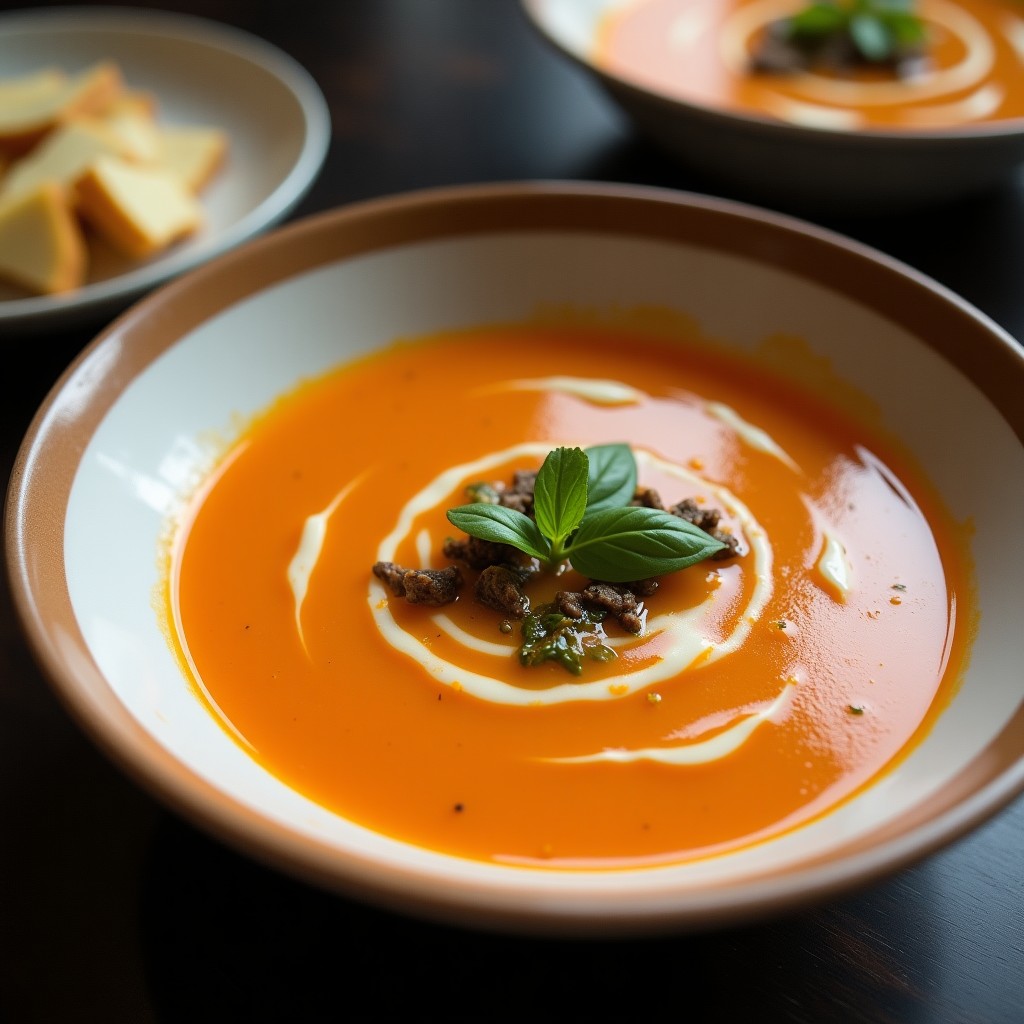
When you crave comfort without the calorie guilt, healthy soups that keep you full become the go‑to solution. From bustling streets of New Delhi to cozy kitchens in Bangalore, families have turned to broth‑based meals for centuries. In my years as a food journalist and nutrition researcher, I’ve tasted countless bowls and learned which ingredients truly satisfy hunger while supporting a balanced diet.
Table of Contents
- Quick Answer
- What Is Healthy Soups That Keep You Full?
- History or Background
- Nutritional Overview
- Health Benefits
- Why People Choose It
- Different Variations
- Best Ingredients
- How to Make It Better
- Common Mistakes
- Expert Tips
- When to Eat It
- Who Should Eat It
- Who Should Avoid It
- How It Fits Into a Healthy Lifestyle
- Buying Tips
- Serving Suggestions
- Storage Tips
- Snippet‑Ready Definitions
- Frequently Asked Questions
- Conclusion
Quick Answer
If you need a nourishing, satiating meal in minutes, choose a soup rich in protein, fiber, and healthy fats. A bowl of lentil‑tomato soup, for example, can keep you full for 3‑4 hours thanks to the combination of plant‑based protein and soluble fiber.
What Is Healthy Soups That Keep You Full?
Simply put, these are soups crafted from whole foods—vegetables, legumes, whole grains, and lean proteins—that deliver lasting energy. They differ from light consommés because they incorporate texture‑rich ingredients that slow digestion, preventing the post‑meal slump.
History or Background
Traditional Indian households have long simmered dal, moong, and mixed vegetable soups during monsoon months. The practice isn’t just about warmth; it’s a clever way to stretch limited staples into meals that feel hearty. Across the globe, similar concepts appear: Japanese miso, Mexican caldo de pollo, and Mediterranean chickpea soups—all designed to keep you satisfied.
Nutritional Overview
Key nutrients that make a soup filling include:
- Protein – from lentils, beans, tofu, or low‑fat dairy.
- Fiber – from seasonal vegetables, whole grains, and legumes.
- Healthy fats – a drizzle of olive oil, a handful of nuts, or avocado slices.
- Complex carbs – quinoa, barley, or sweet potatoes for steady energy.
When these components are balanced, the glycemic response is gentle, and you stay full longer.
Health Benefits
Beyond satiety, healthy soups that keep you full can:
- Support immune‑supporting foods like garlic, ginger, and turmeric.
- Promote digestive health through prebiotic fibers.
- Help maintain a healthy lifestyle by controlling portion sizes.
- Provide a convenient way to include seasonal vegetables and whole foods in daily meals.
Why People Choose It
Many nutrition experts recommend soup as a starter for weight management because the high water content adds volume without extra calories. In my experience, a bowl of soup before the main course reduces overall intake by up to 20 %.
Different Variations
Below are five popular categories you’ll find on restaurant menus and home cookbooks:
- Vegetarian Soup – lentil, chickpea, or paneer‑based.
- Traditional Soup – Indian rasam, Thai tom yum, or classic chicken noodle.
- Indian Soup – spiced dal shorba, spinach‑sorghum broth.
- Fresh Soup – cold cucumber‑mint gazpacho, perfect for summer.
- Plant‑Based Nutrition – mushroom‑barley, cauliflower‑coconut.
Best Ingredients
Choosing the right components is half the battle. Here are my go‑to staples for a filling bowl:
- Lentils & Beans – excellent protein and fiber.
- Leafy Greens – spinach, kale, and methi (fenugreek leaves) add micronutrients.
- Root Vegetables – carrots, sweet potatoes, and beetroot give natural sweetness.
- Whole Grains – quinoa, brown rice, or millet for complex carbs.
- Spices & Herbs – cumin, coriander, turmeric, and curry leaves boost flavor and antioxidant capacity.
How to Make It Better
Even a simple soup can be upgraded with a few tricks:
- Start with a homemade stock—vegetable or bone broth adds depth.
- Sauté aromatics (onion, garlic, ginger) in a teaspoon of oil before adding liquids.
- Finish with a splash of acid—lemon juice or a dash of tamarind—to brighten flavors.
- Blend half the soup for a creamy texture without cream.
Healthy eating doesn’t have to be complicated.
Common Mistakes
When aiming for a filling soup, avoid these pitfalls:
- Relying solely on low‑fat dairy, which can thin the broth and reduce satiety.
- Skipping the “simmer” step—rapid boiling breaks down fibers, making the soup less hearty.
- Over‑salting; high sodium can lead to water retention, counteracting the light feeling.
Expert Tips
From my conversations with dietitians in Mumbai and culinary masters in Chennai:
- Use two types of beans for texture contrast—e.g., black gram and kidney beans.
- Add a handful of nuts (almonds or peanuts) just before serving for crunch and healthy fats.
- Incorporate fermented foods like a spoonful of idli batter for probiotic benefits.
When to Eat It
These soups shine as:
- A healthy lunch that fuels afternoon work.
- A light dinner that won’t disturb sleep.
- A post‑workout recovery drink when paired with a side of whole‑grain toast.
Who Should Eat It
Anyone looking for nutritious meals can benefit—students, office workers, and seniors alike. The high fiber content supports digestive health, which is especially useful for older adults.
Who Should Avoid It
People with specific allergies (e.g., to legumes or nuts) should modify recipes. Those on a strict low‑sodium diet need to watch added salt.
How It Fits Into a Healthy Lifestyle
Integrating a bowl of soup into your daily routine can be a cornerstone of a balanced diet. Pair it with a small salad or a piece of whole‑grain flatbread, and you have a complete, immune‑supporting meal that’s both satisfying and light.
Buying Tips
When shopping for ingredients near you—say, at a local market in Delhi—look for:
- Firm, unblemished vegetables.
- Dry beans that feel heavy for their size.
- Whole grain packs with minimal processing.
Fresh produce generally retains better flavor when stored in the refrigerator’s crisper drawer.
Serving Suggestions
Serve your soup in a wide‑bowl to let aromas rise. Garnish with:
- Chopped cilantro or mint.
- A drizzle of sesame oil.
- Toasted cumin seeds for a smoky finish.
Sometimes the simplest soups are the most nourishing.
Storage Tips
Cool the soup to room temperature, then refrigerate in airtight containers for up to 4 days. For longer storage, freeze in portion‑size bags; reheating on low heat preserves the texture of vegetables.
Snippet‑Ready Definitions
What is mushroom soup? Mushroom soup is a creamy broth made from sautéed mushrooms, onions, garlic, and often a splash of cream or coconut milk, providing a rich source of B‑vitamins and antioxidants.
Is tomato soup healthy? Tomato soup can be healthy when prepared with fresh tomatoes, minimal added sugar, and a dash of olive oil, delivering lycopene, vitamin C, and potassium.
Why is herbal soup popular? Herbal soups use herbs like basil, thyme, and coriander to add flavor and phytonutrients, supporting digestion and immune function.
Frequently Asked Questions
- Can I make a high‑protein soup without meat?
- Yes. Combine legumes, tofu, or Greek yogurt with vegetables for a plant‑based protein boost that keeps you full.
- How many calories are in a typical serving?
- A standard 1‑cup serving of lentil‑vegetable soup ranges from 150‑200 kcal, depending on added fats.
- Is it okay to add rice to soup for extra carbs?
- Adding a small portion of brown rice or quinoa can increase satiety without spiking blood sugar.
- Do soups help with weight loss?
- When used as part of a calorie‑controlled diet, soups can aid weight loss by reducing overall intake and increasing nutrient density.
- Can I freeze soup with dairy?
- Yes, but it’s best to add dairy (like cream or yogurt) after reheating to prevent curdling.
- What’s the best way to thicken a soup without flour?
- Blend a portion of the cooked vegetables or add mashed beans for a creamy texture without extra starch.
Conclusion
Whether you’re dining in a bustling café in Mumbai or cooking a quick lunch at home in Bangalore, healthy soups that keep you full offer a versatile, nutrient‑dense solution for any meal. By focusing on protein‑rich legumes, fiber‑laden vegetables, and a splash of healthy fats, you create a bowl that satisfies hunger and supports overall wellness. Ready to explore more? Check out our other soup guides for weight‑loss, low‑calorie vegetarian options, and the science behind belly‑fat‑burning soups.
Explore more delicious, nutritious soups on our site and discover how a simple bowl can transform your health journey.
Best Dinner Soup for Weight Loss
Can Soup Help Reduce Belly Fat?
For more detailed information on the history of soup, visit Wikipedia.