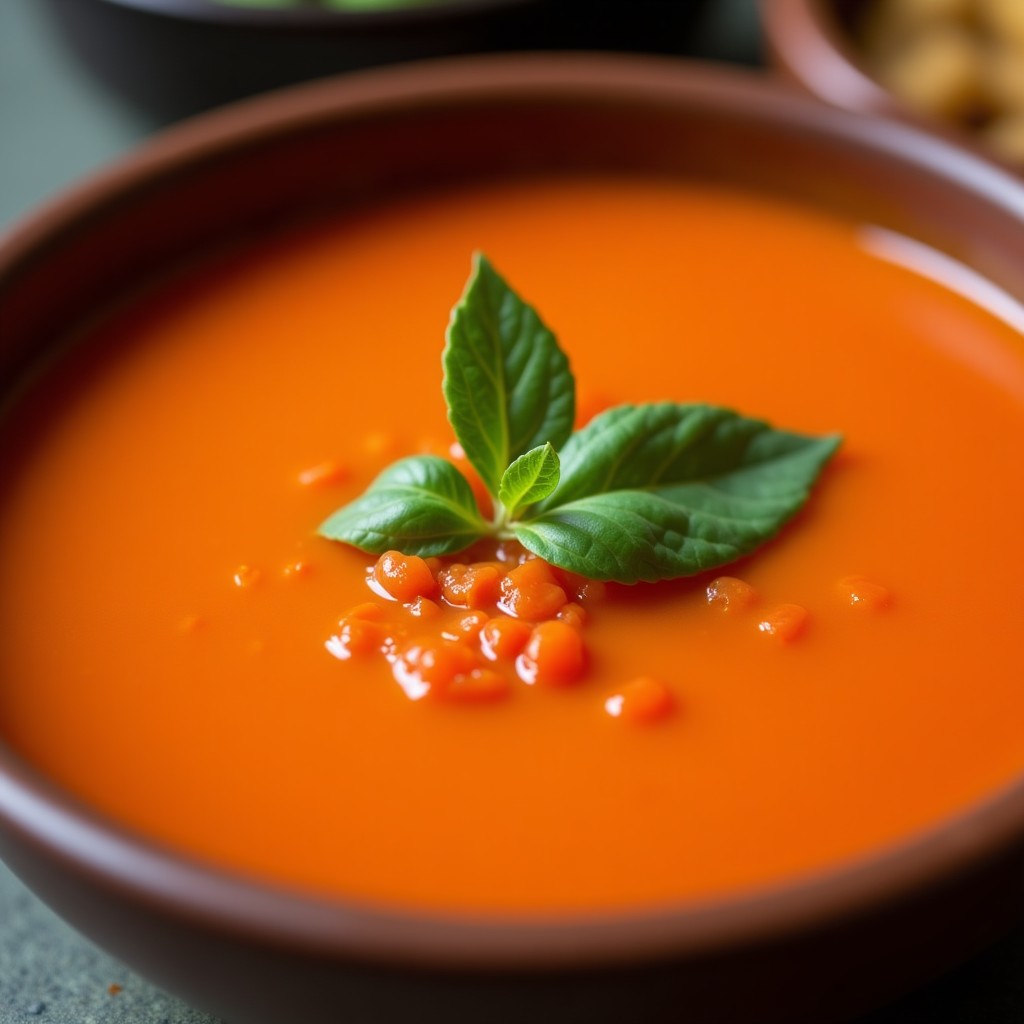
Chennai’s bustling streets are famous for dosas, filter coffee, and spicy curries, but there’s a comforting bowl that often flies under the radar – the Best Tomato Soup in Chennai. In my years of tasting everything from street‑side stalls to five‑star hotel kitchens, I’ve found that a well‑crafted tomato soup can be both a nostalgic comfort and a vibrant, nutrient‑dense meal. Below you’ll discover why this humble soup deserves a spot on your regular menu, how to spot the real gems, and tips to bring that restaurant magic into your own kitchen.
Table of Contents
- Quick Answer
- What Is the Best Tomato Soup in Chennai?
- History and Cultural Roots
- Nutritional Overview
- Health Benefits
- Why People Choose It
- Different Variations Across the City
- Best Ingredients for Authentic Flavor
- How to Make It Better at Home
- Common Mistakes to Avoid
- Expert Tips from Chefs
- When to Enjoy This Soup
- Who Should Include It in Their Diet
- Who Might Need to Limit It
- How It Fits Into a Healthy Lifestyle
- Buying Tips in Chennai Markets
- Serving Suggestions
- Storage Tips
- Quick Definitions
- Frequently Asked Questions
- Conclusion
Quick Answer
If you’re hunting for the Best Tomato Soup in Chennai, head to our nearest branch of Mamee Soups, where the broth is simmered with locally sourced tomatoes, a hint of ginger, and a splash of coconut milk for creaminess. Expect a silky texture, balanced tang, and a subtle spice kick that makes it perfect for any time of day.
What Is the Best Tomato Soup in Chennai?
In Chennai, “best” isn’t just about taste; it’s about authenticity, freshness, and how well the soup aligns with a healthy lifestyle. The top contenders usually share three hallmarks:
- Ripe, locally harvested tomatoes that retain natural sweetness.
- A broth built on natural ingredients like garlic, black pepper, and a dash of curry leaves.
- Optional plant‑based add‑ins – such as roasted red peppers or cashew cream – that boost protein and fiber‑rich content.
When these elements come together, you get a soup that’s not only delicious but also supports immune‑supporting foods and digestive health.
History and Cultural Roots
Tomato soup arrived in South India during the British colonial era, but Chennai quickly made it its own. Traditional Indian households have long blended tomatoes with spices like cumin and mustard seeds, creating a hybrid that feels both Western and unmistakably Tamil. Over the decades, the dish migrated from home kitchens to cafés on the menu of many eateries, evolving with regional twists – from adding tamarind for sourness to finishing with fresh coriander for aroma.
Nutritional Overview
A cup of well‑made tomato soup typically provides:
- ~90 kcal, making it a light meal or starter.
- 2–3 g of protein when fortified with lentils or nuts.
- 5 g of dietary fiber, thanks to the skins and seeds.
- Vitamins A, C, and K, plus potassium and lycopene – a potent antioxidant.
Because it’s low in saturated fat and high in antioxidants, many nutrition experts recommend it as part of a balanced diet.
Health Benefits
While I’m not a doctor, research suggests that regular consumption of tomato‑based soups may help:
- Support heart health by lowering LDL cholesterol (thanks to lycopene).
- Boost immunity during monsoon season.
- Improve skin elasticity thanks to vitamin C.
- Provide gentle hydration – perfect for Chennai’s humid climate.
These benefits align with the idea that whole, plant‑based foods can be immune‑supporting and fit seamlessly into a healthy lifestyle.
Why People Choose It
From office workers looking for a quick, warm lunch to families seeking a light dinner, the soup’s versatility is its biggest selling point. It’s vegetarian, can be made vegan, and pairs well with both rice and bread. “Healthy eating doesn’t have to be complicated,” I often hear from regular patrons, and a bowl of tomato soup proves that point.
Different Variations Across the City
Chennai’s culinary scene offers several twists on the classic:
- South Indian Spice Blend: Curry leaves, mustard seeds, and a pinch of asafoetida.
- Coconut Cream Version: Adds richness without dairy, ideal for vegans.
- Spicy Chettinad Style: Red chili powder and black pepper for a bold kick.
- Cold Tomato Gazpacho: Served chilled in coastal cafés during summer.
Each version respects the core principle of using fresh, seasonal vegetables.
Best Ingredients for Authentic Flavor
When scouting markets like Koyambedu or Parry’s Corner, look for:
- Deep‑red, slightly soft tomatoes – they’re at peak ripeness.
- Fresh ginger and garlic – they add warmth and depth.
- Whole spices rather than pre‑ground mixes for brighter aroma.
- Optional garnish: toasted cumin seeds, a drizzle of cold‑pressed sesame oil, or fresh coriander.
Fresh ingredients generally retain better flavor when added at the end of cooking, preserving their nutrients.
How to Make It Better at Home
Even a home cook can rival a restaurant bowl with a few tricks:
- Roast tomatoes, garlic, and a splash of olive oil at 200 °C for 20 minutes. Roasting intensifies sweetness.
- Blend the roasted mix with vegetable broth; strain for a silky texture.
- Finish with a teaspoon of cashew cream or coconut milk for creaminess without dairy.
- Season with sea salt, freshly cracked black pepper, and a pinch of smoked paprika.
These steps add layers of flavor while keeping the soup plant‑based and nutritious.
Common Mistakes to Avoid
Many well‑meaning cooks ruin the soup by:
- Over‑cooking the tomatoes, which turns the broth bitter.
- Using canned tomatoes with added sugars – they mask the natural tang.
- Skipping the seasoning step; a pinch of salt can make the difference between flat and vibrant.
Remember, simplicity is key – sometimes the simplest soups are the most nourishing.
Expert Tips from Chefs
Chef Aravind of a popular Marina Beach café shares his secret:
“Add a dash of fenugreek leaves right before serving. It gives a subtle earthy note that balances the acidity of tomatoes.”
Another veteran chef recommends a quick flash‑sauté of mustard seeds in ghee for a fragrant base, then swapping the ghee for mustard oil for a vegan twist.
When to Enjoy This Soup
Tomato soup works beautifully as:
- A light lunch paired with a whole‑grain roll.
- A starter before a heavier South Indian feast.
- A comforting dinner on a rainy Chennai evening.
Its warm, soothing qualities also make it an excellent post‑workout recovery drink, especially when enriched with plant protein.
Who Should Include It in Their Diet
Anyone aiming for a healthy lunch or healthy dinner can benefit. It’s especially good for:
- Vegetarians seeking a protein boost (add lentils or tofu).
- People managing weight, as it’s low‑calorie yet filling.
- Those looking for immune‑supporting foods during flu season.
Who Might Need to Limit It
If you have a rare allergy to nightshade vegetables, you should avoid tomato soup. Also, individuals on low‑potassium diets (e.g., certain kidney conditions) may need to watch portion sizes.
How It Fits Into a Healthy Lifestyle
Integrating the Best Tomato Soup in Chennai into your routine supports a balanced diet by providing:
- Whole‑food nutrition without processed additives.
- A source of antioxidants that complement regular exercise.
- Flexibility – serve hot or cold, thick or thin, depending on your day’s needs.
Many nutritionists recommend a bowl of soup before a main course to reduce overall calorie intake.
Buying Tips in Chennai Markets
When you’re at the local market, follow these quick checks:
- Smell the tomatoes – they should have a sweet, earthy aroma.
- Press gently; a slight give indicates ripeness.
- Choose organic stalls if you’re concerned about pesticide residues.
- Ask vendors for the day’s harvest; fresh‑picked tomatoes taste brighter.
Fresh, seasonal tomatoes make all the difference in the final flavor.
Serving Suggestions
Pair the soup with:
- Whole‑grain garlic toast topped with avocado slices.
- Steamed idli drizzled with a tempering of mustard seeds and curry leaves.
- A side salad of cucumber, carrot, and lemon for extra crunch.
These accompaniments keep the meal fiber‑rich and satisfying.
Storage Tips
Store leftovers in an airtight container in the fridge for up to three days. Reheat gently on low heat to prevent the soup from separating. For longer storage, freeze in portion‑sized bags; it retains flavor for up to two months.
Quick Definitions
- Tomato Soup
- A blended soup made primarily from tomatoes, often seasoned with herbs, spices, and a liquid base.
- Plant‑Based Nutrition
- Dietary intake that derives its protein, vitamins, and minerals from vegetables, legumes, nuts, and seeds.
- Immune‑Supporting Foods
- Foods rich in antioxidants, vitamins, and minerals that help the body defend against infections.
- Whole Foods
- Minimally processed foods that are as close to their natural form as possible.
- Fiber‑Rich Foods
- Foods that contain high amounts of dietary fiber, aiding digestion and satiety.
Frequently Asked Questions
1. Is tomato soup suitable for vegans?
Yes, when prepared with vegetable broth and coconut or cashew cream, it’s completely plant‑based and fits a vegan diet.
2. How many calories are in a typical serving?
A standard cup contains roughly 90–110 kcal, making it an excellent option for light meals or weight‑loss plans.
3. Can I add protein to the soup?
Absolutely. Stir in cooked lentils, chickpeas, or tofu cubes to boost protein without sacrificing the soup’s smooth texture.
4. Does the soup lose its nutrients if reheated?
Reheating gently on low heat preserves most vitamins. Over‑boiling can degrade vitamin C, so avoid a rapid boil.
5. What’s the best way to thicken the soup naturally?
Blend a handful of soaked cashews or add a spoonful of roasted red pepper puree for thickness and extra flavor.
6. Is it safe to serve tomato soup to children?
Yes, as long as the spice level is mild. It provides essential vitamins and can be a tasty way to introduce vegetables.
7. How does the soup compare to other Indian soups?
While many Indian soups are broth‑heavy, tomato soup offers a richer, smoother base, making it a comforting alternative.
8. Can I store the soup for a week?
In the refrigerator, it stays fresh for up to three days. For longer storage, freeze in sealed containers for up to two months.
Conclusion
Finding the Best Tomato Soup in Chennai is a delightful journey through fresh markets, aromatic kitchens, and the city’s love for wholesome, plant‑based meals. Whether you enjoy it at a local café, make it at home, or pair it with a side of whole‑grain toast, this soup offers a perfect blend of flavor, nutrition, and comfort. Explore more of our healthy vegetarian soups on the site – your next favorite bowl might just be a click away.