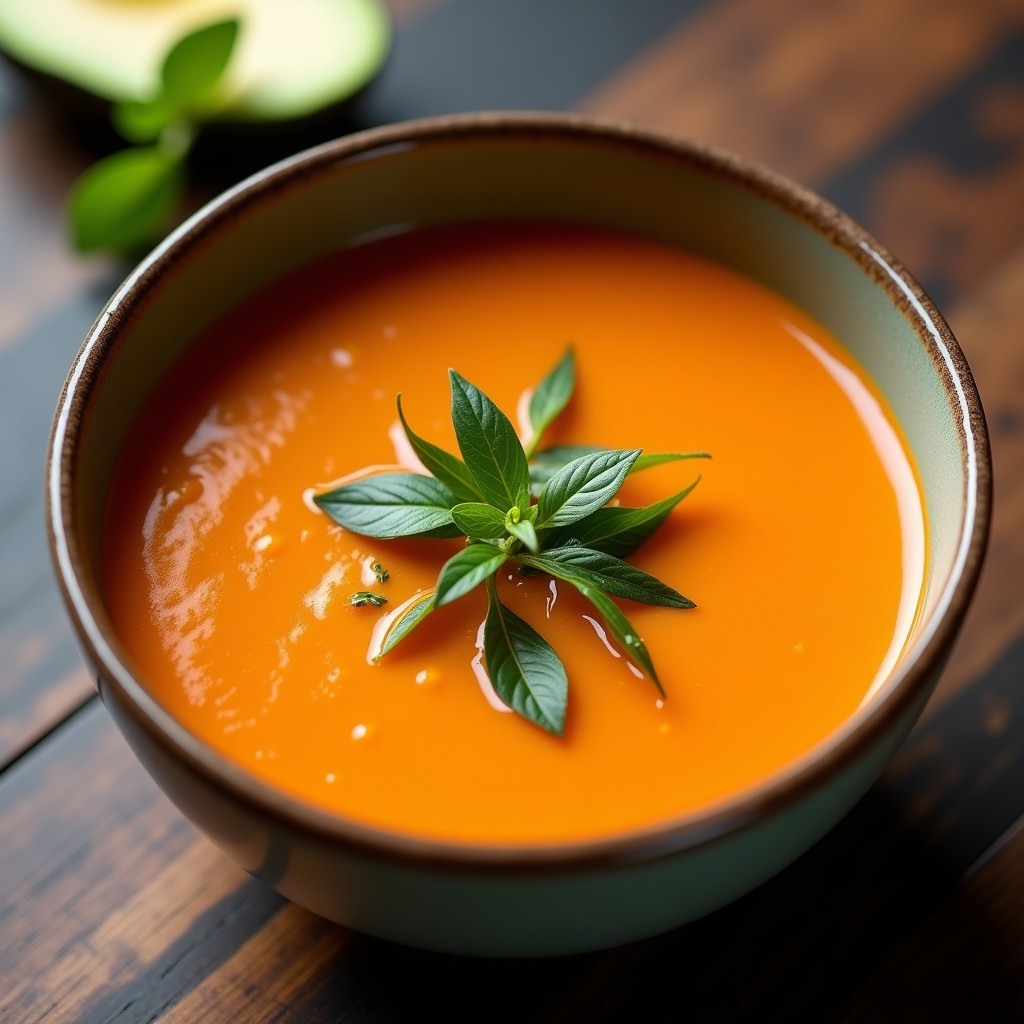
In my experience, a bowl of wholesome soup can be the secret weapon for anyone juggling meetings, deadlines, and a social life. The best soup for busy professionals is one that delivers balanced nutrition, minimal prep time, and comforting flavor—all without demanding a kitchen marathon. Below you’ll find everything you need to choose, customize, and enjoy soups that keep you energized from the boardroom to the gym.
Table of Contents
- Quick Answer
- What Is Best Soup for Busy Professionals?
- History or Background
- Nutritional Overview
- Health Benefits
- Why People Choose It
- Different Variations
- Best Ingredients
- How to Make It Better
- Common Mistakes
- Expert Tips
- When to Eat It
- Who Should Eat It
- Who Should Avoid It
- How It Fits Into a Healthy Lifestyle
- Buying Tips
- Serving Suggestions
- Storage Tips
- Frequently Asked Questions
- Conclusion
Quick Answer
Best soup for busy professionals? A hearty, plant‑based broth packed with seasonal vegetables, lentils or beans, and a touch of whole‑grain noodles or quinoa. It cooks in 20‑30 minutes, offers fiber‑rich foods, and can be stored for a week‑long lunch rotation.
What Is Best Soup for Busy Professionals?
The ideal soup blends speed, nutrition, and flavor. Think of a vegetarian soup that includes:
- Fresh, seasonal vegetables (carrots, spinach, tomatoes)
- Protein‑rich legumes (red lentils, chickpeas)
- Whole‑grain carbs (brown rice, barley)
- Immune‑supporting spices (turmeric, cumin, ginger)
This combination hits the sweet spot for a balanced diet while keeping prep simple enough for a weekday morning rush.
History or Background
Soups have been a staple across cultures for centuries. In India, the tradition of “dal ka shorba” – a thin, spiced lentil broth – dates back to Ayurvedic kitchens, where it was prized for its digestive health benefits. Meanwhile, European kitchens perfected clear broths and creamy bisques as quick meals for laborers. The modern “busy‑professional” soup borrows from both worlds: the spice wisdom of Indian kitchens and the efficiency of Western one‑pot meals.
Nutritional Overview
When you choose a soup that features legumes and whole grains, you’re loading up on protein, fiber, and complex carbs. A typical 2‑cup serving of a lentil‑vegetable soup provides:
- ≈ 250 calories
- ≈ 12 g protein
- ≈ 8 g fiber
- Vitamins A, C, K from leafy greens
- Minerals such as iron, potassium, and magnesium
These numbers support sustained energy without the mid‑afternoon crash many office workers experience.
Health Benefits
Many nutrition experts recommend soups as a gateway to a healthier lifestyle. The best soup for busy professionals may help:
- Maintain digestive health thanks to fiber‑rich foods.
- Support immune function with antioxidant‑rich vegetables and spices.
- Control weight by providing a low‑calorie, satiating meal.
- Boost mental clarity through steady blood‑sugar levels.
While individual results vary, these benefits align with a balanced diet and regular activity.
Why People Choose It
Busy professionals often look for meals that are:
- Fast to prepare or reheat.
- Portable for the office fridge.
- Nutritious enough to replace a heavy lunch.
Soup checks all three boxes. A single pot means fewer dishes, and a sturdy broth keeps the ingredients from drying out during reheating.
Different Variations
Here are three popular twists that still fit the “best soup for busy professionals” criteria:
- Mushroom & Barley Soup – earthy mushrooms with chewy barley for a heart‑healthy bite.
- Tomato & Red Lentil Soup – bright, tangy, and protein‑packed.
- Herbal Spinach & Quinoa Soup – light, herb‑infused, and perfect for a post‑workout recovery.
Each variation can be assembled in under 30 minutes and stored for up to five days.
Best Ingredients
Choosing the right components makes all the difference. Below is a checklist of top‑grade items you’ll want to keep on hand:
- Fresh seasonal vegetables – carrots, bell peppers, zucchini, kale.
- Dry legumes – red lentils, split peas, chickpeas (pre‑soaked).
- Whole‑grain carbs – quinoa, brown rice, millet.
- Spices – turmeric, cumin, coriander, black pepper.
- Healthy fats – a drizzle of extra‑virgin olive oil or a spoonful of ghee.
How to Make It Better
Even a quick soup can feel gourmet with a few pro tricks:
- Saute aromatics (onion, garlic, ginger) in a splash of oil before adding liquid – it deepens flavor.
- Deglaze with a splash of tomato puree or a dash of lemon juice for brightness.
- Finish with fresh herbs (cilantro, parsley) right before serving for a pop of color.
These steps add depth without adding extra time.
Common Mistakes
When I first started making soups for my team, I fell into a few traps:
- Over‑cooking vegetables – they lose nutrients and turn mushy.
- Using too much salt – a little goes a long way, especially when the broth reduces.
- Skipping the seasoning at the end – a pinch of sea salt or a squeeze of lime can transform the bowl.
Expert Tips
Here are five quick pointers from seasoned chefs and nutritionists:
- Batch‑cook the base broth on Sunday; store in ice‑cube trays for easy portioning.
- Swap beans for tofu or tempeh for extra plant‑based protein.
- Use a hand‑blender for a silky texture without adding cream.
- Incorporate a handful of nuts or seeds for crunch and omega‑3s.
- Label each container with the date – fresh soups are best within four days.
For more menu ideas, check our menu page.
When to Eat It
Soup is versatile:
- Morning boost – a light broth with quinoa can replace a heavy breakfast.
- Mid‑day lunch – pair a hearty bowl with a side salad for a balanced meal.
- Evening wind‑down – a gentle vegetable soup aids digestion before bedtime.
Timing depends on your schedule, but the key is to keep portions moderate to avoid feeling overly full during meetings.
Who Should Eat It
The best soup for busy professionals suits:
- Office workers seeking quick, nutritious meals.
- Remote freelancers who need easy lunch options.
- Fitness enthusiasts looking for post‑workout carbs and protein.
Who Should Avoid It
While soup is generally safe, consider these situations:
- Individuals with severe soy or legume allergies should substitute beans with tolerated proteins.
- Those on a strict low‑sodium diet need to monitor added salt.
- People with certain digestive disorders may need to limit high‑fiber soups until they adjust.
How It Fits Into a Healthy Lifestyle
In a balanced diet, soup can serve as a cornerstone for healthy lunch or healthy dinner. Pairing a bowl with a whole‑grain roll or a side of roasted chickpeas creates a complete, nutrient‑dense plate. Many wellness coaches recommend rotating soups weekly to ensure a variety of vitamins and minerals.
For more wellness insights, explore our blog.
Buying Tips
When you shop for soup ingredients near you, keep these pointers in mind:
- Choose organic, locally sourced vegetables whenever possible – they retain better flavor and nutrients.
- Buy dry legumes in bulk; they have a longer shelf life than canned.
- Look for whole‑grain pasta or noodles made from durum wheat or brown rice.
- Check the expiration dates on spices; fresh spices pack more punch.
Finding quality produce in your neighborhood, whether in New York, London, or Bangalore, can make a noticeable difference in taste.
Serving Suggestions
Elevate your soup with simple accompaniments:
- Garnish with toasted pumpkin seeds or a drizzle of sesame oil.
- Serve alongside a crisp cucumber‑yogurt raita for a cooling contrast.
- Pair with a slice of whole‑grain bread for added fiber.
Need inspiration? Visit our about us page for more ideas.
Storage Tips
Proper storage extends the life of your soups:
- Cool the soup to room temperature before refrigerating – rapid cooling prevents bacterial growth.
- Store in airtight glass containers; they preserve flavor better than plastic.
- Freeze individual portions in freezer‑safe bags for up to three months.
Reheat gently on the stove or in a microwave, stirring halfway through to avoid hot spots.
Frequently Asked Questions
What is Mushroom Soup? Mushroom soup is a creamy or clear broth made with sautéed mushrooms, often flavored with garlic, thyme, and a splash of cream or coconut milk. It provides vitamin D and antioxidants.
Is Tomato Soup Healthy? Tomato soup can be a healthy choice when prepared with fresh tomatoes, minimal added sugar, and a dash of olive oil. It supplies lycopene, vitamin C, and potassium.
Why is Herbal Soup Popular? Herbal soups use fresh herbs like cilantro, mint, and basil to add flavor and digestive benefits. The herbs contribute antioxidants and can support immune health.
Can I Make Soup Vegetarian? Absolutely. Replace meat with legumes, tofu, or tempeh, and use vegetable broth as the base. This keeps the meal plant‑based and nutrient‑dense.
How Long Can I Keep Soup in the Fridge? Most homemade soups stay fresh for 4‑5 days when stored in airtight containers at 4 °C (40 °F). Freeze for longer storage.
Is Soup Suitable for Weight Loss? Soups can aid weight loss when they are low in added fats and sugars, high in fiber, and paired with a balanced plate.
Do I Need to Add Protein to Soup? Adding protein such as lentils, beans, or tofu helps keep you full longer and supports muscle maintenance, especially for active professionals.
What Are Some Quick Soup Recipes? A 10‑minute spicy carrot‑ginger soup, a 15‑minute chickpea‑spinach broth, and a 20‑minute quinoa‑tomato bisque are all fast options.
Conclusion
Finding the best soup for busy professionals isn’t about sacrificing taste for speed; it’s about smart ingredient choices, efficient cooking methods, and a dash of culinary curiosity. By keeping a pantry stocked with fresh vegetables, legumes, whole grains, and aromatic spices, you can whip up nutritious meals that fuel your day and support a healthy lifestyle.
Ready to explore more wholesome, vegetarian soups? Browse our collection and discover new flavors that fit your schedule and your wellness goals.