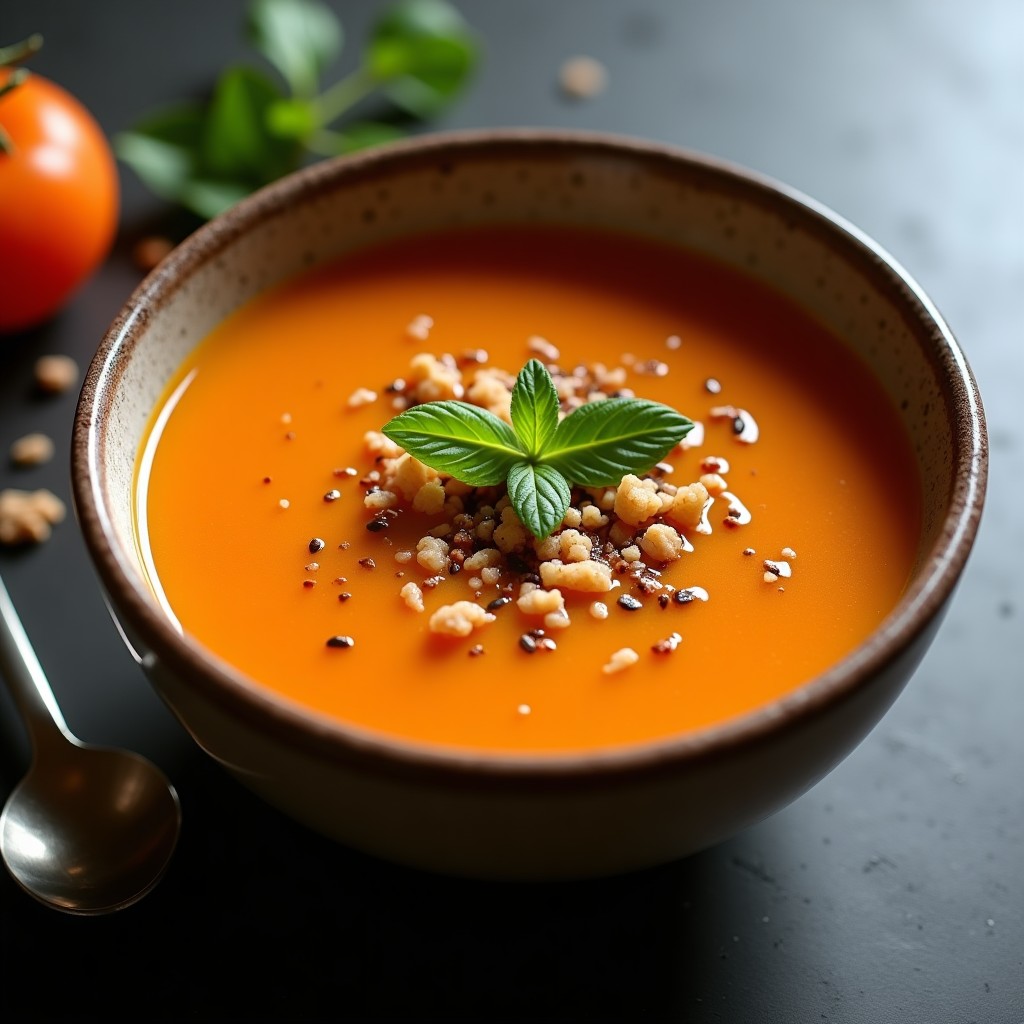
When the seasons shift and the sniffles start to circulate, I always reach for a steaming bowl of the best immunity boosting soup I know. It’s not just comfort food; it’s a strategic blend of whole foods, spices, and herbs that may help support your body’s natural defenses. In my experience as a food journalist and nutrition researcher, a well‑crafted soup can be a game‑changer for anyone chasing a healthier lifestyle.
Table of Contents
- Quick Answer
- What Is the Best Immunity Boosting Soup?
- History or Background
- Nutritional Overview
- Health Benefits
- Why People Choose It
- Different Variations
- Best Ingredients
- How to Make It Better
- Common Mistakes
- Expert Tips
- When to Eat It
- Who Should Eat It
- Who Should Avoid It
- How It Fits Into a Healthy Lifestyle
- Buying Tips
- Serving Suggestions
- Storage Tips
- Frequently Asked Questions
- Conclusion
Quick Answer
If you’re wondering what the best immunity boosting soup looks like, think of a vibrant, plant‑based broth brimming with seasonal vegetables, lentils or beans, ginger, turmeric, and a dash of black pepper. This combination delivers vitamins, minerals, antioxidants, and fiber‑rich foods that can support immune‑supporting foods and digestive health.
What Is the Best Immunity Boosting Soup?
The best immunity boosting soup is a nutritious, balanced dish that blends immune‑supporting ingredients into a comforting liquid. It’s typically vegetarian, uses fresh soup ingredients, and leans on Indian culinary traditions for spice power. The goal is not a miracle cure but a nourishing meal that can be part of a balanced diet.
History or Background
Traditional Indian households have long prepared soups and rasams that double as medicine cabinets. Ayurvedic texts describe “rasayana” foods—those that rejuvenate the body. A classic example is the “Mulligatawny” soup, originally a British‑Indian concoction that combined lentils, carrots, and warming spices. Over centuries, families refined these recipes, adding local vegetables and herbs to keep the immune system resilient.
Nutritional Overview
Here’s a snapshot of the key nutrients you’ll find in a typical immunity‑boosting bowl:
- Vitamin C: From tomatoes, bell peppers, and citrus zest.
- Vitamin A & Beta‑Carotene: Sweet potatoes, carrots, and pumpkin.
- Zinc: Lentils, chickpeas, and pumpkin seeds.
- Antioxidants: Turmeric, ginger, garlic, and black pepper.
- Fiber: Whole vegetables and legumes support digestive health.
These nutrients work together to support a robust immune response, especially during cold‑and‑flu season.
Health Benefits
Many nutrition experts recommend incorporating immune‑supporting foods daily. While no soup can replace vaccines or medical care, the following benefits are commonly observed:
- Enhanced digestive health thanks to fiber‑rich foods.
- Reduced inflammation from curcumin in turmeric.
- Improved hydration and electrolyte balance.
- Steady release of energy from complex carbs in lentils.
- Support for a healthy lifestyle when paired with regular exercise.
Healthy eating doesn’t have to be complicated; a single bowl can cover many nutritional bases.
Why People Choose It
People gravitate toward this soup for three main reasons:
- Convenience: One‑pot cooking saves time and cleanup.
- Flavor: Warm spices create depth without extra salt.
- Wellness: It feels proactive—like you’re feeding your immune system.
Different Variations
Across India, you’ll find regional twists:
- South Indian Lentil Rasam: Tamarind, black pepper, and mustard seeds.
- North Indian Tomato‑Ginger Soup: Creamy tomatoes with cumin and coriander.
- West Indian Coconut‑Curry Soup: Coconut milk, curry leaves, and millets.
Each version respects the core principle—using natural ingredients to build a nutrient‑dense broth.
Best Ingredients
When I shop at the local market near me, I look for these staples:
- Seasonal vegetables – carrots, spinach, broccoli, cauliflower.
- Legumes – red lentils, mung beans, chickpeas.
- Spices – turmeric, ginger, garlic, cumin, black pepper.
- Healthy fats – a teaspoon of ghee or olive oil.
- Fresh herbs – cilantro, mint, or curry leaves.
Fresh ingredients generally retain better flavor when added at the end of cooking, preserving their nutrients.
How to Make It Better
Follow these pro tips for a soup that sings:
- Layer flavors: Sauté onions, garlic, and ginger before adding liquids.
- Toast spices: A quick dry‑roast of cumin and coriander releases aromatics.
- Use homemade stock: A vegetable broth made from carrot peels and onion ends adds depth.
- Finish with acid: A splash of lemon juice brightens the palate.
Sometimes the simplest soups are the most nourishing.
Common Mistakes
Even seasoned cooks slip up. Avoid these pitfalls:
- Over‑cooking vegetables – they lose texture and nutrients.
- Adding salt too early – it can mask delicate spice notes.
- Skipping the spice toast – you’ll miss that earthy backbone.
Expert Tips
Many nutrition experts recommend pairing the soup with a side of whole‑grain toast or a small salad. This adds extra fiber and balances the meal. Also, consider a pinch of black pepper with turmeric; piperine dramatically improves curcumin absorption.
When to Eat It
This soup shines as a healthy lunch or a light healthy dinner. During colder months, a warm bowl can be a soothing pre‑bedtime ritual, while in summer, a lighter version with coconut water keeps you refreshed.
Who Should Eat It
Anyone looking for a nutritious, plant‑based meal can enjoy this soup. It’s especially beneficial for:
- Students needing quick, immune‑supporting lunches.
- Seniors seeking fiber‑rich, easy‑to‑digest meals.
- Athletes who want a recovery drink packed with protein and carbs.
Who Should Avoid It
People with specific food allergies (e.g., lentil or garlic intolerance) should modify the recipe. If you have a chronic medical condition, always consult a healthcare professional before making major dietary changes.
How It Fits Into a Healthy Lifestyle
Integrating this soup into your routine can be as simple as planning a weekly “soup night.” Pair it with a walk, meditation, or a glass of warm ginger tea for a holistic wellness boost.
Buying Tips
When purchasing ingredients near me, choose:
- Firm, brightly colored vegetables – no wilted leaves.
- Organic lentils or beans for lower pesticide residue.
- Spices in airtight containers to preserve potency.
Serving Suggestions
Serve the soup in a deep bowl, drizzle a teaspoon of ghee, and garnish with fresh cilantro. Add a slice of whole‑grain bread or a side of quinoa for a complete, balanced meal.
Storage Tips
Cool the soup to room temperature, then refrigerate in an airtight container for up to 4 days. For longer storage, freeze in portion‑size bags for up to 3 months. Reheat gently on the stove; avoid microwaving at high power to preserve texture.
Frequently Asked Questions
What makes a soup immune‑boosting?
Immune‑boosting soups combine vitamins (C, A), minerals (zinc, selenium), antioxidants (turmeric, garlic), and fiber. Together, these nutrients support the body’s defense mechanisms and gut health, which is a key player in immunity.
Can I use chicken broth instead of vegetable stock?
Yes, you can substitute chicken broth for a non‑vegetarian version, but keep in mind it adds saturated fat. For a truly plant‑based nutrition profile, stick with homemade vegetable stock.
Is this soup suitable for a low‑sodium diet?
Absolutely. By controlling the amount of added salt and using low‑sodium broth, you can keep sodium levels in check while still enjoying rich flavor from herbs and spices.
How long does it take to prepare?
From chopping to simmering, the soup typically takes 30‑40 minutes. You can batch‑cook on weekends and store portions for quick meals later.
Can I add meat for extra protein?
You may, but the soup is already protein‑rich thanks to legumes. Adding lean chicken or turkey can boost protein further without compromising the wholesome nature of the dish.
What side dishes pair best?
Whole‑grain roti, quinoa pilaf, or a simple cucumber‑yogurt raita complement the soup’s flavors while adding texture and additional nutrients.
Is this soup suitable for kids?
Yes, adjust the spice level and ensure the vegetables are cut small. The mild heat from ginger and turmeric is generally well‑tolerated by children.
Does the soup keep its nutrients after freezing?
Freezing preserves most vitamins and minerals, though some water‑soluble vitamins (like vitamin C) may degrade slightly. Reheating gently helps retain the most nutrients.
Conclusion
Choosing the best immunity boosting soup is less about a single magical recipe and more about a philosophy of whole, fresh, and spice‑rich ingredients. By embracing seasonal vegetables, plant‑based proteins, and traditional Indian spices, you create a soup that not only comforts the soul but also nourishes the body. Ready to explore more? Dive into our menu for a variety of healthy vegetarian soups, visit our about us page to learn about our culinary journey, or check out the latest blog post on wellness tips. Your next bowl of wellness is just a click away.
For scientific backing on the role of nutrition in immunity, you can refer to the World Health Organization’s guidelines: WHO.