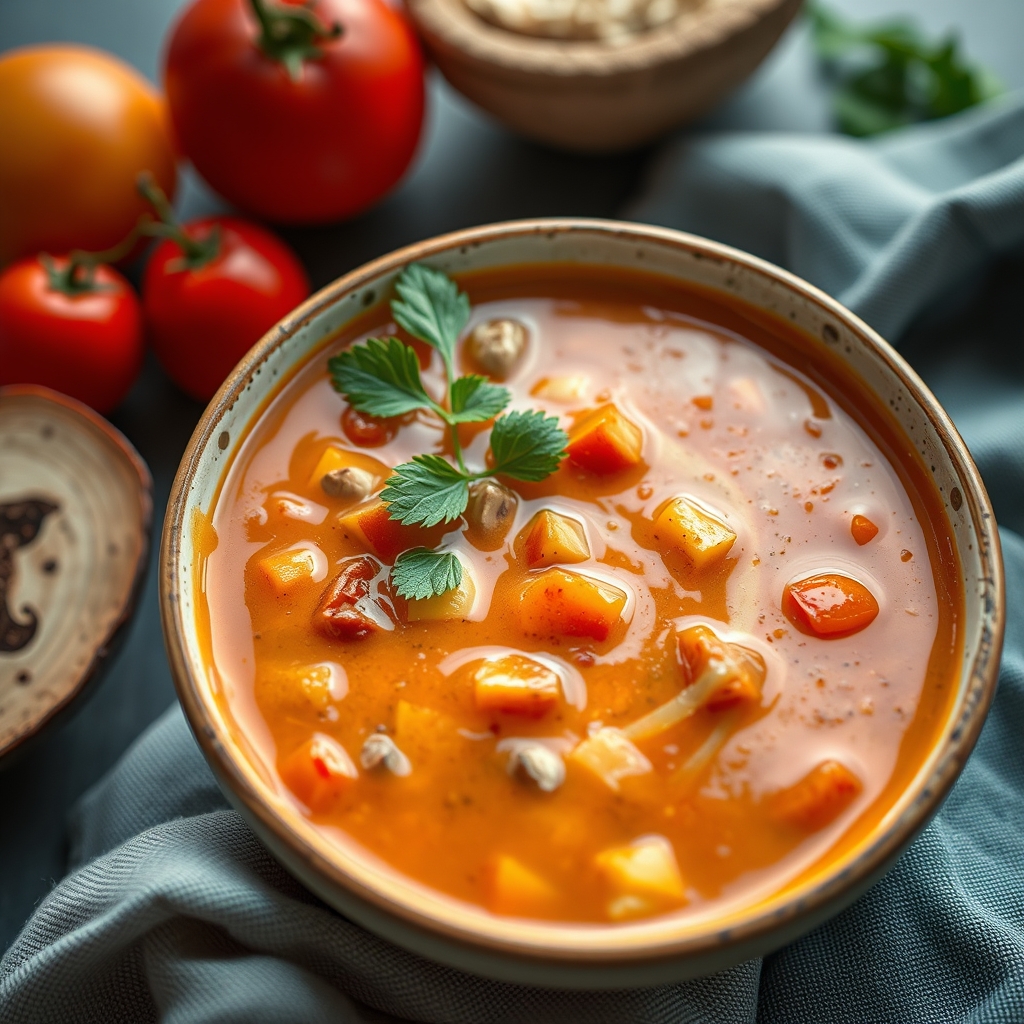
When the weather turns crisp or you simply crave a bowl that hugs you from the inside, a low calorie vegetarian soup can be the answer. It’s light, comforting, and packed with plant‑based nutrition that fuels a healthy lifestyle without weighing you down. In my years of tasting street‑side rasam in Chennai and simmering lentil broths in a Delhi kitchen, I’ve learned that the simplest soups often hide the most nourishing secrets. Let’s dive into a guide that blends tradition, science, and a dash of culinary curiosity.
Table of Contents
- Table of Contents
- Quick Answer
- What Is Low Calorie Vegetarian Soup?
- A Brief History
- Nutritional Overview
- Health Benefits
- Why People Choose It
- Different Variations
- Best Ingredients
- How to Make It Better
- Common Mistakes
- Expert Tips
- When to Eat It
- Who Should Eat It
- Who Should Avoid It
- Fit Into a Healthy Lifestyle
- Buying Tips
- Serving Suggestions
- Storage Tips
- Frequently Asked Questions
- Conclusion
Quick Answer
Low calorie vegetarian soups are broth‑based dishes that use vegetables, legumes, herbs, and spices to deliver flavor while keeping the calorie count under 150 kcal per serving. They are perfect for light meals, weight‑management plans, and boosting immune‑supporting foods without sacrificing taste.
What Is Low Calorie Vegetarian Soup?
In plain terms, a low calorie vegetarian soup is a healthy soup that relies on plant‑derived ingredients—think seasonal vegetables, beans, lentils, and aromatic spices—to stay under a modest calorie ceiling. The broth can be vegetable stock, water, or a light coconut infusion, and the focus is on nutrient density rather than heavy cream or cheese.
Snippet‑Ready Definition
- What is a low calorie vegetarian soup? It is a light, broth‑based dish made primarily from vegetables, legumes, and herbs, containing typically fewer than 150 calories per cup, ideal for weight‑conscious diners.
- Is tomato soup low in calories? When prepared without added cream or sugar, a tomato‑based vegetarian soup can stay under 100 kcal per serving, making it a great low‑calorie option.
- Why are Indian soups popular among health enthusiasts? Traditional Indian soups like rasam and sambar use spices such as turmeric and cumin, which are believed to support digestive health and add depth without extra calories.
A Brief History
Soup has traveled across continents, from the ancient Indian “kitchari” broth to the Mediterranean “gazpacho.” In India, the concept of a thin, spiced broth—rasam—dates back to Ayurvedic texts that prescribed it for “digestive fire.” Over the decades, home cooks in Mumbai, Bangalore, and New Delhi have adapted these recipes, swapping coconut milk for water to keep the dish light. The modern “low calorie vegetarian soup” movement grew alongside global wellness trends, where people look for plant‑based, fiber‑rich foods that fit a busy lifestyle.
Nutritional Overview
When you pick a bowl of low calorie vegetarian soup, you’re getting more than just warmth. Here’s a snapshot of what a typical 250‑ml serving might contain:
- Calories: 80‑130 kcal
- Protein: 4‑7 g (from lentils, peas, or tofu)
- Fiber: 3‑5 g, supporting digestive health
- Vitamins: Vitamin C from tomatoes, Vitamin A from carrots, and folate from leafy greens
- Minerals: Potassium, magnesium, and iron from beans and vegetables
Because the broth is mostly water, the calorie load stays low while the vegetables retain most of their natural nutrients—especially when you add them at the end of cooking.
Health Benefits
Many nutrition experts recommend incorporating a bowl of soup into daily meals for several reasons:
- Satiety with fewer calories: The high water content fills the stomach, helping control appetite.
- Fiber boost: Supports a healthy gut microbiome and regularity.
- Immune‑supporting foods: Herbs like coriander and spices such as turmeric have antioxidant properties.
- Hydration: A warm broth contributes to daily fluid intake, especially in cooler climates.
- Balanced diet: It pairs well with whole grains or a side salad for a complete meal.
Why People Choose It
From busy professionals in Gurgaon looking for a quick lunch to retirees in Pune who cherish a light dinner, the appeal is universal. “I love that I can enjoy a flavorful bowl without feeling bloated,” says a regular at my favorite café in Bangalore. The flexibility of swapping ingredients means you can tailor each pot to your seasonal produce, dietary goals, or even local taste preferences.
Different Variations
Below are some beloved styles that keep the calorie count low while showcasing regional flair:
- Rasam (South Indian): Tamarind, tomatoes, and mustard seeds create a tangy, peppery broth.
- Dal Shorba (North Indian): Yellow moong dal simmered with ginger, cumin, and a hint of lemon.
- Tomato Basil Soup (Mediterranean): Fresh tomatoes, basil, and a splash of olive oil.
- Spiced Carrot & Ginger Soup (Global): Carrots, ginger, and a pinch of cinnamon for warmth.
- Green Lentil & Spinach Soup (Protein‑rich): Green lentils, spinach, and a dash of smoked paprika.
Best Ingredients
Choosing the right components can turn a humble pot into a star‑rated dish. Here are my go‑to items, all of which are easy to find at local markets in New Delhi, Mumbai, or any nearby grocery “near me”.
- Seasonal vegetables: carrots, zucchini, cauliflower, bell peppers, and leafy greens.
- Legumes & beans: red lentils, split peas, black beans, or chickpeas for protein.
- Herbs & spices: coriander, cumin, turmeric, ginger, garlic, and fresh curry leaves.
- Low‑sodium vegetable stock: homemade or store‑bought, preferably without added MSG.
- Acidic brighteners: a squeeze of lemon, a dash of tamarind paste, or a splash of apple cider vinegar.
Fresh ingredients make all the difference. When vegetables are at their peak, they release natural sweetness, reducing the need for extra salt or sugar.
How to Make It Better
Even a simple soup can become a culinary experience with a few tricks:
- Layer flavors: Sauté aromatics (onion, garlic, ginger) before adding broth.
- Don’t over‑cook greens: Add spinach or kale in the last two minutes to preserve color and nutrients.
- Finish with herbs: A handful of cilantro or mint right before serving lifts the aroma.
- Adjust texture: Blend half the soup for creaminess without cream.
- Season gradually: Taste as you go; a pinch of sea salt or a drizzle of hot sauce can make a big impact.
Common Mistakes
Even seasoned cooks slip up. Avoid these pitfalls to keep your soup light and tasty:
- Using too much oil: A teaspoon of oil is enough for sautéing; excess adds hidden calories.
- Over‑reducing the broth: Letting the liquid evaporate concentrates flavor but also calories per cup.
- Adding starchy thickeners: Avoid cream, cheese, or large amounts of potatoes if you aim for low calories.
- Skipping seasoning: A bland broth can feel unsatisfying, leading you to over‑eat other foods.
Expert Tips
In my experience, the following habits turn a regular pot into a go‑to wellness dish:
- Prep a big batch of vegetable stock on weekends; freeze in portions for quick use.
- Keep a stash of dried herbs and spices; they’re the secret weapons for depth without calories.
- Use a hand‑held immersion blender for a velvety texture without extra cream.
- Season with citrus at the end; it brightens the palate and reduces the urge for salt.
When to Eat It
These soups shine at any time of day:
- Breakfast: A warm bowl of lentil shorba with a slice of whole‑grain toast.
- Lunch: Pair a tomato‑basil soup with a quinoa salad for a light, balanced meal.
- Dinner: End the day with a soothing carrot‑ginger broth, especially on cooler evenings.
Who Should Eat It
Anyone looking for a nutrient‑dense, low‑calorie option can benefit. Athletes who need quick recovery, seniors focusing on digestive health, and vegans seeking protein‑rich meals all find value in these soups.
Who Should Avoid It
While generally safe, people with specific medical conditions should tailor ingredients:
- Kidney disease: Limit high‑potassium veggies like tomatoes and potatoes.
- Severe hypothyroidism: Go easy on soy‑based thickeners.
- Allergies: Substitute beans or lentils if you’re sensitive to legumes.
Fit Into a Healthy Lifestyle
Integrating low calorie vegetarian soups into a balanced diet is effortless. They serve as a bridge between meals, keeping blood sugar steady and preventing late‑night snacking. Pair a bowl with a handful of nuts or a side of roasted chickpeas for extra protein, and you have a complete, wholesome plate.
Buying Tips
When shopping for ingredients near you—whether at a farmer’s market in Mumbai or a supermarket in New Delhi—keep these pointers in mind:
- Choose firm, brightly colored vegetables; avoid wilted leaves.
- Read labels on packaged stock; look for “no added sugar” and “low sodium.”
- Buy dried legumes in bulk; they store longer and are more economical.
- Consider organic herbs if you’re sensitive to pesticide residues.
Need inspiration? Check out our menu for seasonal soup ideas.
Serving Suggestions
Presentation can turn a humble bowl into a restaurant‑worthy experience:
- Garnish with a drizzle of toasted sesame oil or a sprinkle of roasted cumin powder.
- Serve with whole‑grain crackers or a side of sprouted moong salad.
- For a festive touch, add a swirl of pureed roasted red pepper.
Storage Tips
Soups store beautifully, making meal prep a breeze:
- Refrigerate: Cool to room temperature, then store in airtight containers for up to 4 days.
- Freeze: Portion into 1‑cup containers; they last 2‑3 months. Thaw overnight in the fridge and reheat gently.
- Avoid plastic wrap directly on the surface: Prevents a skin from forming.
Frequently Asked Questions
What makes a soup “low calorie”? A low‑calorie soup typically contains fewer than 150 kcal per cup, achieved by using broth, vegetables, and lean plant proteins while limiting oil, cream, and high‑calorie thickeners.
Can I add rice or noodles and still keep it low calorie? Yes, add a small portion (¼ cup cooked) of brown rice or shirataki noodles. They add texture without dramatically raising the calorie count.
Are low calorie vegetarian soups suitable for weight loss? Many nutrition experts recommend them as part of a calorie‑controlled diet because they provide volume, fiber, and nutrients while keeping overall intake modest.
How long can I keep homemade soup in the fridge? Up to four days if stored in a sealed container and cooled quickly after cooking.
Is it okay to blend all the soup for a creamy texture? Absolutely. Blending eliminates the need for dairy or coconut cream, preserving the low‑calorie profile.
Do I need to use stock, or can I just use water? Water works fine, especially if you season well with herbs, spices, and a splash of soy sauce or miso for umami.
What are some quick “near me” options in Bangalore? Look for street stalls offering rasam or small cafés that list “low calorie vegetarian soups” on their menu; many use locally sourced seasonal vegetables.
Can these soups be part of a vegan diet? Yes, as long as you avoid dairy‑based thickeners and use plant‑based stock.
Conclusion
Whether you’re strolling through the bustling lanes of Delhi, catching a monsoon drizzle in Mumbai, or simply looking for a comforting bowl after a workout, low calorie vegetarian soups offer a versatile, nutritious, and delicious solution. They embody the best of whole foods, seasonal produce, and centuries‑old Indian culinary wisdom—all while staying kind to your waistline.
Ready to explore more? Visit our blog for creative recipes, or drop a line via our contact page. Your next favorite soup is just a pot away.
For further reading on the science of plant‑based nutrition, see the World Health Organization’s guidelines at who.int.