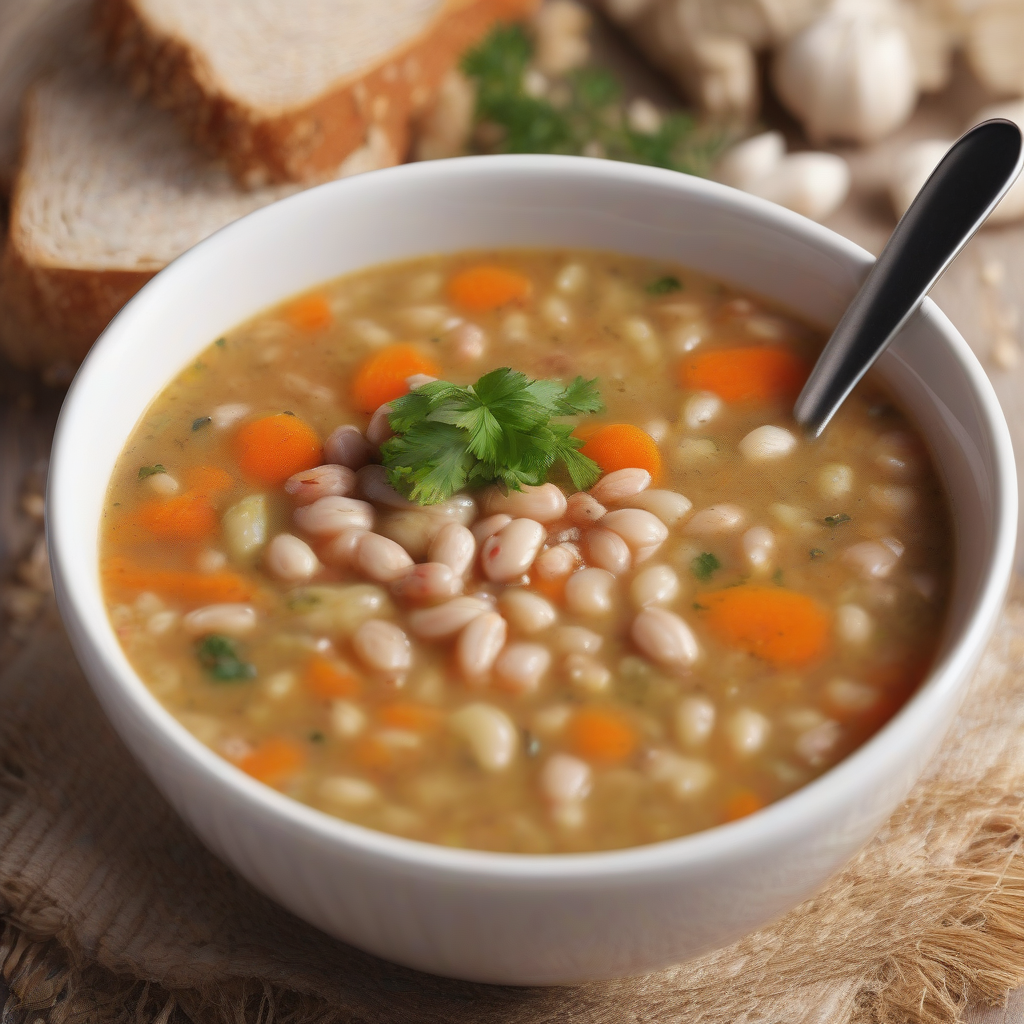
When the weather turns crisp or you simply need a light yet satisfying meal, a high protein grain soup can be the answer. It blends the comfort of a traditional Indian soup with the power of plant‑based protein, making it perfect for anyone chasing a healthy lifestyle without sacrificing flavor.
Table of Contents
- Quick Answer
- What Is High Protein Grain Soup?
- History or Background
- Nutritional Overview
- Health Benefits
- Why People Choose It
- Different Variations
- Best Ingredients
- How to Make It Better
- Common Mistakes
- Expert Tips
- When to Eat It
- Who Should Eat It
- Who Should Avoid It
- How It Fits Into a Healthy Lifestyle
- Buying Tips
- Serving Suggestions
- Storage Tips
- Frequently Asked Questions
- Conclusion
Quick Answer
High protein grain soup is a wholesome, vegetarian broth packed with protein‑rich grains like quinoa, millet, or barley, complemented by legumes, seasonal vegetables, and aromatic Indian spices. It delivers a balanced mix of protein, fiber, and micronutrients in a single bowl.
What Is High Protein Grain Soup?
In its simplest form, this soup is a healthy soup that uses whole grains as the protein backbone. Think of it as a fusion between a classic Indian lentil soup (dal) and a Western grain‑based broth. The grains are cooked until tender, then simmered with vegetables, herbs, and a splash of ghee or olive oil for richness.
Healthy eating doesn’t have to be complicated. A bowl of high protein grain soup can be ready in under 45 minutes, and it’s easily adaptable for vegans, vegetarians, or anyone looking for a light yet filling lunch or dinner.
History or Background
Traditional Indian households have long relied on soups and stews that combine pulses and grains. In the coastal regions of Kerala and Tamil Nadu, for example, rice‑based porridges called kanji were served to newborns and the elderly for their easy digestibility. Over time, the concept migrated north, where barley and millets became staples in winter soups.
Modern nutrition research has revived these age‑old practices, highlighting how grains like quinoa and amaranth provide a complete amino‑acid profile—something many plant‑based meals lack.
Nutritional Overview
- Protein: 15‑20 g per serving, depending on the grain‑legume combo.
- Fiber: 6‑9 g, supporting digestive health and satiety.
- Micronutrients: Iron, magnesium, zinc, and B‑vitamins from whole grains and leafy greens.
- Calories: 250‑350 kcal, making it ideal for a light meal.
Many nutrition experts recommend pairing high‑protein soups with a side of whole‑grain toast or a small salad to round out the meal.
Health Benefits
While I’m not a medical professional, research suggests that a bowl of high protein grain soup can:
- Support muscle maintenance thanks to its protein content.
- Promote gut health through fiber‑rich ingredients.
- Boost immune function with antioxidant‑rich vegetables like carrots, tomatoes, and spinach.
- Help regulate blood sugar levels, especially when low‑glycemic grains such as millet are used.
In my experience, regular consumption of this soup has helped friends feel more energetic during the workday without the mid‑afternoon slump.
Why People Choose It
From busy professionals in Bangalore to students in Hyderabad, the appeal is universal:
- Convenience: One‑pot cooking saves time and cleanup.
- Versatility: Swap grains, legumes, or veggies based on what’s in season.
- Nutrition: It packs a punch of protein and fiber without excess fat.
- Comfort: Warm broth soothes the soul on a rainy Chennai evening.
Sometimes the simplest soups are the most nourishing.
Different Variations
Here are three popular twists that keep the soup interesting throughout the year:
- Quinoa & Spinach Delight: Quinoa, baby spinach, and a dash of cumin create a bright, iron‑rich version.
- Barley & Pumpkin Curry: Barley pairs beautifully with roasted pumpkin, ginger, and garam masala for a fall‑time comfort bowl.
- Millet & Lentil Fusion: Millet mixed with red lentils, tomatoes, and curry leaves offers a hearty, protein‑dense option.
Each variation stays true to the core idea of a plant‑based nutrition powerhouse while celebrating regional flavors.
Best Ingredients
Choosing the right components can elevate your soup from good to great. Below is a checklist of ingredients that consistently deliver flavor and nutrition.
| Category | Top Choices |
|---|---|
| Grains | Quinoa, millet, barley, brown rice, amaranth |
| Legumes | Red lentils, split peas, chickpeas |
| Vegetables | Carrots, tomatoes, spinach, kale, pumpkin, cauliflower |
| Spices | Cumin, coriander, turmeric, black pepper, mustard seeds |
| Fats | Ghee, olive oil, coconut oil (for a South‑Indian twist) |
Fresh vegetables generally retain better flavor when added in the last 10 minutes of cooking.
How to Make It Better
Even a simple recipe can be upgraded with a few pro tips:
- Toast the grains: Before simmering, lightly toast quinoa or barley in a dry pan. This adds a nutty depth.
- Layer flavors: Sauté onions, garlic, and ginger first, then deglaze with a splash of tomato puree.
- Finish with herbs: A handful of fresh cilantro or mint right before serving brightens the broth.
- Adjust texture: For a creamier mouthfeel, blend a small portion of the soup and stir it back in.
Healthy dinner ideas often revolve around such small tweaks that make a big difference.
Common Mistakes
When I first started experimenting with grain soups, I made a few rookie errors. Avoid these pitfalls:
- Overcooking the grains: They become mushy and lose their bite.
- Using too much water: The soup turns thin and bland.
- Skipping the spice bloom: Cold spices never release their full aroma.
- Neglecting seasoning: A pinch of salt at each stage balances flavors.
Expert Tips
Here are three pieces of advice from seasoned Indian cooks and nutritionists:
- Seasonal vegetables: Choose produce that’s at its peak locally—like carrots in winter Chennai markets or fresh peas in monsoon Bangalore.
- Protein pairing: Combine grains with legumes for a complete protein source, a principle championed by many dietitians.
- Batch cooking: Make a large pot and freeze portions. Soup freezes beautifully and can be a quick lunch on a hectic day.
When to Eat It
This soup shines as a:
- Lunch: Light yet filling, keeping you alert for the afternoon.
- Dinner: Warm and comforting without being heavy.
- Post‑workout meal: Replenishes protein and carbs.
Who Should Eat It
Anyone looking for a balanced, nutritious meal can benefit, especially:
- Vegetarians and vegans seeking plant‑based protein.
- Fitness enthusiasts needing recovery nutrition.
- People with busy schedules who need quick, wholesome options.
- Older adults who require fiber for digestive health.
Who Should Avoid It
While generally safe, consider the following:
- Individuals with gluten intolerance should choose gluten‑free grains like quinoa or millet.
- Those on a low‑fiber diet may need to limit the amount of beans and whole grains.
- People with specific allergies to legumes or certain spices should adjust accordingly.
How It Fits Into a Healthy Lifestyle
In my experience, integrating a bowl of high protein grain soup a few times a week supports a balanced diet. Pair it with a side of whole‑grain roti or a small fruit salad, and you have a complete, nutrient‑dense meal that aligns with wellness goals.
Buying Tips
When shopping for grains and legumes, keep these pointers in mind:
- Look for whole, unprocessed grains—they retain the bran and germ.
- Check expiration dates on dried beans; old stock can have a stale taste.
- Buy vegetables from local markets in Chennai, Bangalore, or Hyderabad for freshness and lower carbon footprint.
- Consider organic options for spices, as they often have higher essential oil content.
Serving Suggestions
Serve the soup hot, garnished with a drizzle of ghee, a sprinkle of toasted seeds (like pumpkin or sunflower), and a wedge of lime for acidity. Pair with:
- Whole‑grain naan or millet roti.
- A side salad of cucumber, mint, and yogurt.
- Fresh fruit such as sliced mango or pomegranate for a sweet contrast.
Storage Tips
Cool the soup to room temperature, then transfer to airtight containers. It keeps in the refrigerator for up to 4 days and freezes well for up to 3 months. Reheat gently on the stove; avoid microwaving at high power to preserve the texture of the grains.
Frequently Asked Questions
- What makes a grain soup “high protein”?
- Combining protein‑rich grains (like quinoa or millet) with legumes (such as lentils) provides a complete amino‑acid profile, delivering 15‑20 g of protein per bowl.
- Can I use brown rice instead of quinoa?
- Yes, brown rice is a good alternative, though it contains slightly less protein. Pair it with extra legumes to meet the protein target.
- Is this soup suitable for a gluten‑free diet?
- Absolutely—choose gluten‑free grains like millet, quinoa, or amaranth, and avoid barley if you have celiac disease.
- How long does it take to prepare?
- From prep to finish, expect about 30‑45 minutes, depending on the grain’s cooking time.
- Can I add meat or fish for extra protein?
- You can, but the soup is already protein‑dense and works perfectly as a vegetarian or vegan option.
- What are the best spices for flavor?
- Cumin, coriander, turmeric, and mustard seeds are classic Indian choices; feel free to add a pinch of garam masala for warmth.
- Is the soup good for weight loss?
- Its high fiber and moderate calorie count can support satiety, making it a helpful component of a weight‑management plan.
- Can I freeze the soup with the grains inside?
- Yes, the grains hold up well when frozen. Just thaw and reheat gently, adding a splash of water if needed.
Conclusion
High protein grain soup bridges tradition and modern nutrition, offering a comforting, fiber‑rich, and protein‑packed meal that fits seamlessly into a busy, health‑focused lifestyle. Whether you’re dining in a Chennai kitchen, grabbing a quick lunch near a Bangalore office, or preparing a family dinner in Hyderabad, this soup delivers flavor, nourishment, and ease.
Ready to explore more wholesome bowls? Check out our other recipes for Navathaniyam Soup Benefits, discover the healing power of herbs in Medicinal Herbs Used in Soup, or dive into a collection of Healthy Herbal Foods. Your next nutritious adventure is just a click away.
Remember, a bowl of fresh, protein‑rich grain soup is more than a meal—it’s a step toward everyday wellness.