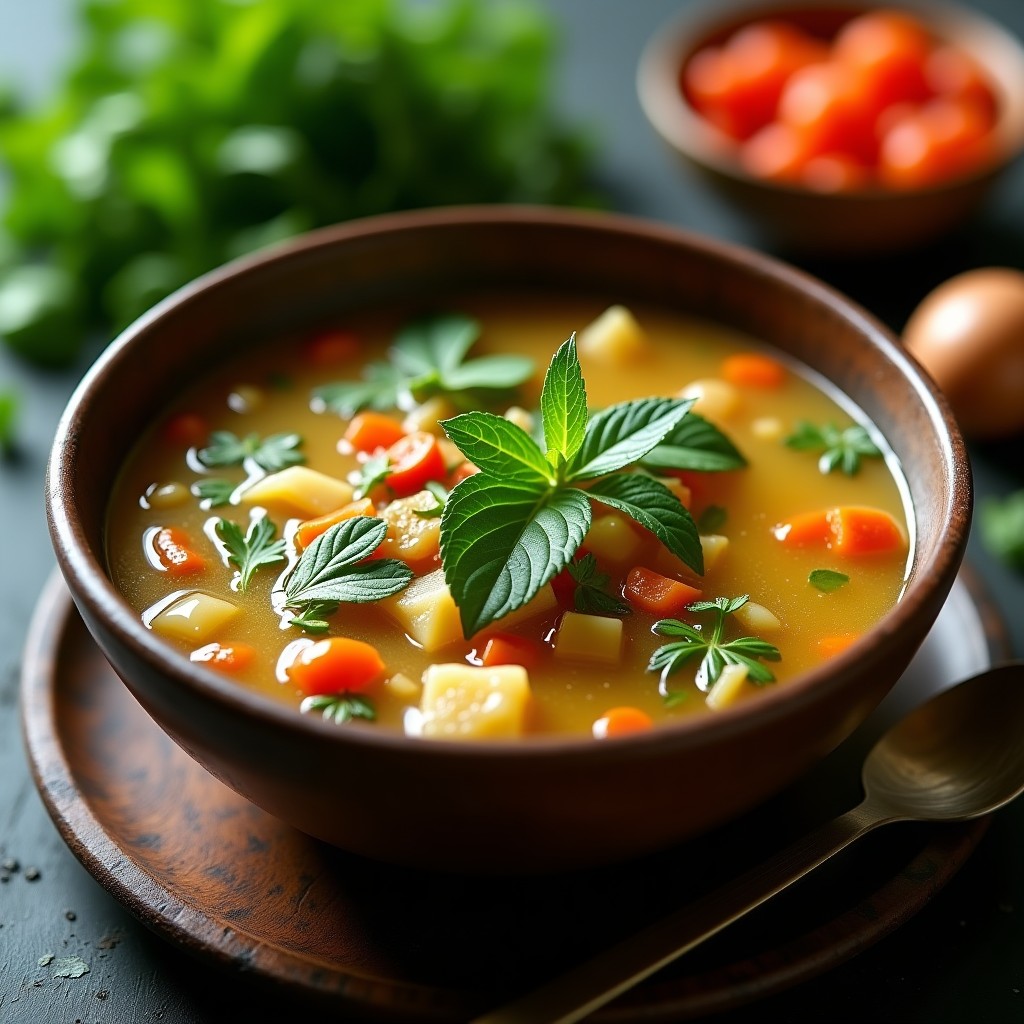
When I stir a pot of broth infused with medicinal herbs used in soup, I feel like I’m blending tradition, science, and comfort into one bowl. In my experience, a simple sip can calm a cold, brighten a dull afternoon, or simply remind you that food can be medicine. Below you’ll find everything you need to know—from the history of herb‑laden broths to practical tips that turn everyday ingredients into immune‑supporting, digestive‑friendly meals.
Table of Contents
- Quick Answer
- What Is Medicinal Herbs Used in Soup?
- History or Background
- Nutritional Overview
- Health Benefits
- Why People Choose It
- Different Variations
- Best Ingredients
- How to Make It Better
- Common Mistakes
- Expert Tips
- When to Eat It
- Who Should Eat It
- Who Should Avoid It
- How It Fits Into a Healthy Lifestyle
- Buying Tips
- Serving Suggestions
- Storage Tips
- Frequently Asked Questions
- Conclusion
Quick Answer
Medicinal herbs used in soup are culinary plants such as turmeric, holy basil, fenugreek, and ashwagandha that add flavor while offering potential health benefits like anti‑inflammatory support, improved digestion, and gentle immunity boosts. They’re perfect for a healthy soup that fits a balanced diet and a healthy lifestyle.
What Is Medicinal Herbs Used in Soup?
In simple terms, medicinal herbs used in soup are edible plants known for therapeutic properties that are incorporated into liquid dishes. Think of a steaming bowl of carrot‑ginger soup where ginger acts as a warming, digestive aid, or a classic Indian rasam seasoned with cumin and black pepper, both of which aid digestion.
History or Background
Traditional Indian households have long prepared soups and rasas that double as herbal tonics. Ayurvedic texts describe “Kashaya,” a thin, spiced broth meant to balance the doshas. In Tamil Nadu, the “Kambu” soup—made with pearl millet and fenugreek—has been a staple during monsoon months, when the body craves warmth and immune‑supporting nutrients.
Even in medieval Europe, “herbal pottages” were served to the sick, using rosemary, sage, and thyme to stimulate circulation. The common thread? A belief that a fresh soup can heal from the inside out.
Nutritional Overview
Herbs are low‑calorie powerhouses. A tablespoon of dried turmeric contains less than 30 calories but delivers curcumin, a compound linked to reduced inflammation. Holy basil (tulsi) offers vitamin C, iron, and essential oils that may help with stress relief. When these herbs join a base of seasonal vegetables, legumes, or whole‑grain noodles, the soup becomes a fiber‑rich, plant‑based nutrition source.
- Protein: Lentils, chickpeas, or tofu add a complete protein profile.
- Fiber: Carrots, spinach, and barley supply soluble and insoluble fiber for digestive health.
- Micronutrients: Herbs contribute potassium, magnesium, and antioxidants.
Health Benefits
Many nutrition experts recommend herbal soups for their gentle, whole‑food approach to wellness. While we can’t promise cures, regular consumption may help:
- Support a healthy immune system thanks to antioxidants in turmeric, garlic, and holy basil.
- Promote digestive health through ginger, cumin, and fennel seed, which can soothe the gut.
- Reduce mild inflammation, a common factor in chronic ailments, via curcumin and boswellia.
- Provide hydration and electrolytes, especially useful after a hot day in Chennai.
Remember, the benefits are best realized when the soup is part of a balanced diet that includes whole foods and regular movement.
Why People Choose It
People turn to medicinal herbs used in soup for three main reasons:
- Flavor plus function: Herbs add depth without extra salt or fat.
- Convenience: A pot can be ready in under 30 minutes, making it ideal for a quick healthy lunch or dinner.
- Seasonal adaptability: Swap winter root vegetables for summer zucchini, and the same herbs work wonders.
Healthy eating doesn’t have to be complicated.
Different Variations
Across India and beyond, the same herbs appear in diverse soups:
- South Indian rasam: Tomato base with tamarind, cumin, black pepper, and coriander leaves.
- North Indian mulligatawny: Lentil broth flavored with curry leaves, cloves, and a pinch of ashwagandha.
- Western mushroom broth: Cremini mushrooms, thyme, and a splash of sage‑infused oil.
Each version respects local tastes while keeping the core idea—herbal nourishment—intact.
Best Ingredients
When building a soup that showcases medicinal herbs, start with a clean, low‑sodium broth. Then add:
- Root vegetables: Carrots, sweet potatoes, and beetroot for natural sweetness.
- Leafy greens: Spinach, kale, or methi (fenugreek leaves) for iron.
- Legumes: Red lentils or moong dal for protein and fiber.
- Herbs: Turmeric, holy basil, fenugreek seeds, ashwagandha powder, and a pinch of black pepper to enhance absorption.
Fresh ingredients generally retain better flavor when added at the end of cooking.
How to Make It Better
Here’s a step‑by‑step guide to a classic vegetarian soup that packs medicinal herbs:
- Heat 1 tbsp coconut oil; sauté 1 tsp cumin seeds until fragrant.
- Add 1 cup diced onions, 2 tbsp grated ginger, and 2 tbsp minced garlic; cook 3 minutes.
- Stir in 1 tsp turmeric, ½ tsp fenugreek seeds, and a pinch of black pepper.
- Pour in 4 cups vegetable broth; bring to a gentle boil.
- Add 1 cup diced carrots, 1 cup chopped tomatoes, and ½ cup red lentils.
- Simmer 15 minutes, then toss in a handful of fresh holy basil leaves.
- Season with sea salt, a squeeze of lime, and serve hot.
Sometimes the simplest soups are the most nourishing.
Common Mistakes
Even seasoned cooks slip up. Avoid these pitfalls:
- Overcooking herbs: Heat destroys volatile oils; add delicate herbs like basil at the end.
- Using too much salt: It masks the subtle flavors of the herbs.
- Neglecting balance: Too many spices can overwhelm; aim for harmony between broth, vegetables, and herbs.
Expert Tips
Nutritionists suggest pairing curcumin‑rich turmeric with a dash of black pepper to boost bioavailability. I also like a splash of lemon juice just before serving; the acidity brightens the herbal notes and adds vitamin C, which may help the body absorb iron from leafy greens.
When to Eat It
A warm bowl of herbal soup is perfect for:
- Morning: A light broth can kick‑start digestion before a busy day.
- Afternoon slump: A cup of rasam revitalizes without the heaviness of a full meal.
- Evening: A gentle, low‑fat soup aids sleep, especially when seasoned with ashwagandha.
Who Should Eat It
Anyone looking for a healthy dinner or light meal can benefit—students, working professionals, and seniors alike. Vegetarians and vegans find it especially valuable because herbs provide nutrients that might otherwise require animal sources.
Who Should Avoid It
People with specific allergies (e.g., to fenugreek) or those on blood‑thinning medication should consult a healthcare professional before consuming large amounts of garlic or ginger. Always use herbs in moderation.
How It Fits Into a Healthy Lifestyle
Integrating herbal soups into weekly meal planning supports a healthy lifestyle by:
- Providing a low‑calorie, nutrient‑dense option for weight management.
- Offering a convenient way to increase daily vegetable intake.
- Serving as a comforting ritual that reduces stress.
Many nutrition experts recommend at least one broth‑based meal per week to boost hydration and fiber.
Buying Tips
When shopping for herbs:
- Choose fresh leaves that are vibrant, not wilted.
- For dried spices, check the expiration date—potency fades after two years.
- Buy organic when possible to avoid pesticide residues, especially for leafy herbs.
Local markets in Chennai often have the best seasonal herbs, so you’ll find the freshest options “near me.”
Serving Suggestions
Serve your soup with a side of whole‑grain roti, a drizzle of ghee, or a sprinkle of roasted pumpkin seeds for crunch. Pair with a glass of buttermilk or a simple cucumber raita for a complete, balanced meal.
Storage Tips
Herbal soups keep well:
- Refrigerate: Store in airtight containers for up to 3 days.
- Freeze: Portion into freezer bags; herbs like basil may lose texture, so add fresh leaves after reheating.
- Reheat: Gently warm on low heat to preserve delicate flavors.
Frequently Asked Questions
- What are the best medicinal herbs for a soup?
- Turmeric, holy basil, fenugreek, ginger, and ashwagandha are popular choices because they blend well with vegetables and offer anti‑inflammatory, digestive, and stress‑relieving properties.
- Can I use fresh herbs instead of dried?
- Absolutely. Fresh herbs provide brighter flavors, but they’re less concentrated, so you may need a larger quantity. Add them toward the end of cooking to preserve their volatile oils.
- Is a herbal soup suitable for weight loss?
- Yes, when prepared with low‑fat broth, plenty of vegetables, and lean protein sources like lentils, it can be a satisfying, low‑calorie option that supports a balanced diet.
- How often should I drink herbal soup?
- Most nutrition experts suggest 2–3 times a week as part of a varied diet. Consistency helps you reap the cumulative benefits of the herbs.
- Do medicinal herbs interact with medications?
- Some herbs, such as garlic and ginger, can affect blood clotting. If you’re on medication, especially anticoagulants, talk to your doctor before increasing herb consumption.
- Can I freeze herbal soup without losing its benefits?
- Freezing preserves most nutrients, though delicate herbs may lose some flavor. Re‑add fresh basil or mint after reheating for the best taste.
Conclusion
Incorporating medicinal herbs used in soup into your kitchen routine is a simple, delicious way to boost nutrition, support digestion, and enjoy the comfort of a warm bowl. Whether you’re cooking for a family dinner in Chennai or preparing a quick lunch at the office, the right herbs can transform an ordinary broth into a nourishing ritual.
Explore more healthy soup options, learn about our herbal philosophy, or discover the latest vegetarian soup recipes that celebrate seasonal vegetables and whole foods. Your next bowl of wellness is just a pot away.
For a deeper dive into the science behind these herbs, see Wikipedia’s overview of herbs.