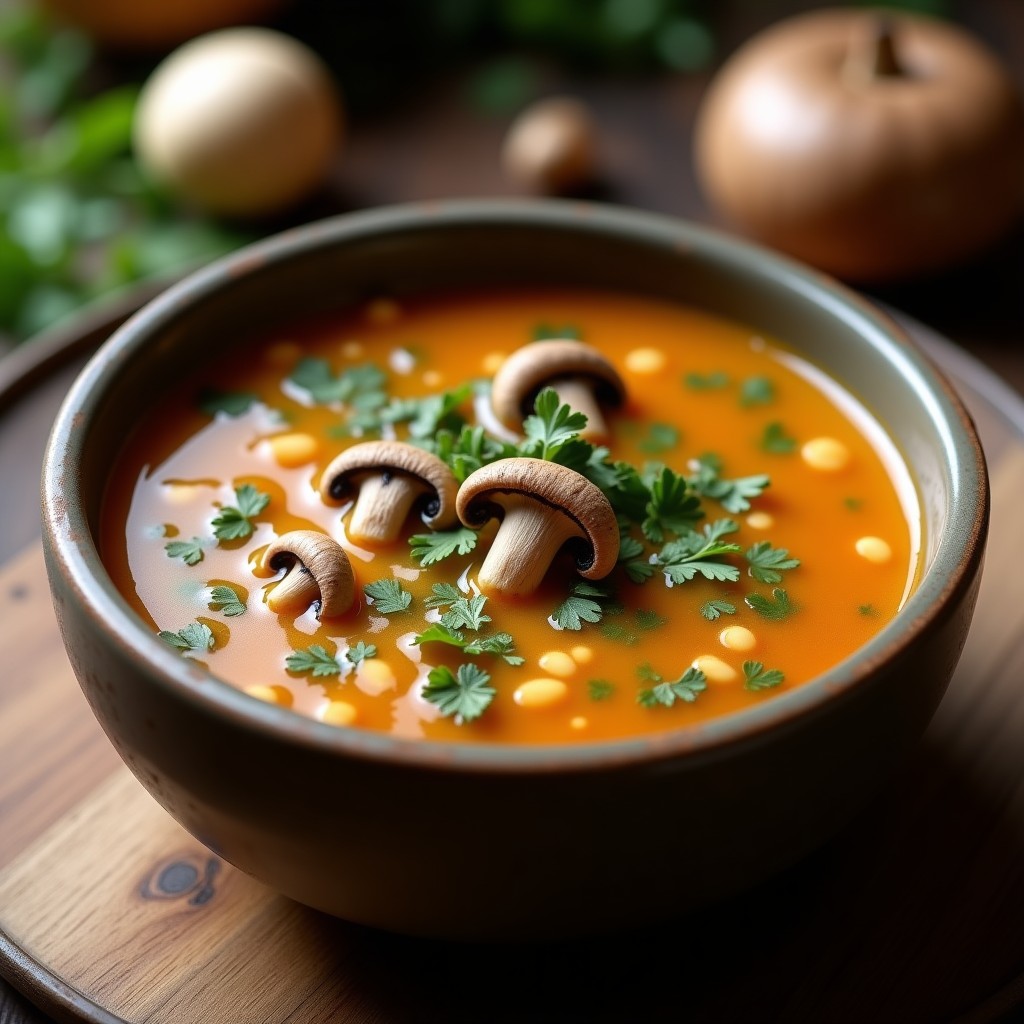
When the monsoon clouds roll over Delhi or the evenings get chilly in Bengaluru, a steaming bowl of mushroom soup does more than warm you up—it may support your body’s natural defenses. In my experience as a food journalist and nutrition researcher, I’ve seen how a simple, plant‑based soup can become a cornerstone of a healthy lifestyle. Below you’ll discover why mushroom soup for immunity is gaining traction, how to craft it with Indian flair, and practical tips to keep it nutritious, tasty, and easy.
Table of Contents
- Quick Answer
- What Is Mushroom Soup for Immunity?
- History or Background
- Nutritional Overview
- Health Benefits
- Why People Choose It
- Different Variations
- Best Ingredients
- How to Make It Better
- Common Mistakes
- Expert Tips
- When to Eat It
- Who Should Eat It
- Who Should Avoid It
- How It Fits Into a Healthy Lifestyle
- Buying Tips
- Serving Suggestions
- Storage Tips
- Frequently Asked Questions
- Conclusion
Quick Answer
Mushroom soup for immunity is a wholesome, vegetarian soup packed with immune‑supporting nutrients like beta‑glucans, vitamin D, selenium, and antioxidants. When prepared with fresh herbs, ginger, and a splash of turmeric, it becomes a flavorful, fiber‑rich meal that can be enjoyed for lunch or dinner.
What Is Mushroom Soup for Immunity?
At its core, mushroom soup is a blend of sautéed mushrooms, broth, and aromatics, simmered until silky. The “immunity” angle comes from selecting mushroom varieties rich in beta‑glucans—complex sugars that may help modulate the immune response. Adding Indian spices such as cumin, coriander, and black pepper not only boosts flavor but also contributes additional anti‑inflammatory compounds.
History or Background
Traditional Indian households have long used mushrooms in gravies and curries, especially in the northeastern states where forest‑foraged fungi are abundant. In Ayurvedic texts, mushrooms are classified as “light” and “digestive,” making them suitable for seasonal soups that balance the doshas. Over the past decade, the global rise of plant‑based nutrition has turned these humble fungi into stars of modern wellness cuisine.
Nutritional Overview
Mushrooms are a low‑calorie source of protein, fiber, and essential micronutrients. A cup of cooked button mushrooms provides roughly 15 calories, 2 grams of protein, 1 gram of fiber, and notable amounts of B‑vitamins, potassium, and selenium. When combined with a vegetable broth enriched with carrots, celery, and tomatoes, the soup becomes a nutrient‑dense, whole‑food meal.
- Beta‑glucans – support immune cell activity.
- Vitamin D – crucial for bone health and immunity.
- Selenium – an antioxidant mineral.
- Potassium – helps maintain fluid balance.
Health Benefits
Many nutrition experts recommend mushroom soup for its potential to support immune health, thanks to the synergistic effect of beta‑glucans and antioxidant vitamins. The high water content aids hydration, while the fiber promotes digestive health, which is closely linked to immune function. Adding ginger and turmeric brings anti‑inflammatory benefits that many Indian families have trusted for generations.
Why People Choose It
People gravitate toward mushroom soup for immunity because it’s:
- Quick to prepare—perfect for busy weekdays.
- Plant‑based, fitting vegetarian and vegan diets.
- Comforting, especially during monsoon or winter.
- Versatile—easy to customize with local produce.
Healthy eating doesn’t have to be complicated.
Different Variations
Across India, you’ll find regional twists:
- North Indian: Creamy cashew base, garam masala, and a dash of fenugreek.
- South Indian: Coconut milk, curry leaves, and a hint of mustard seeds.
- East Indian: Light mustard oil, dried red chilies, and fresh coriander.
Sometimes the simplest soups are the most nourishing.
Best Ingredients
Choosing fresh, seasonal vegetables makes all the difference. Here’s a go‑to list for a balanced, immune‑supporting bowl:
- Mixed mushrooms (button, shiitake, oyster) – 300 g
- Organic vegetable broth – 4 cups
- Fresh ginger (grated) – 1 tbsp
- Turmeric powder – ½ tsp
- Garlic cloves – 2, minced
- Carrot, diced – 1 medium
- Celery stalks, sliced – 2
- Onion, finely chopped – 1 large
- Low‑fat milk or coconut milk – ½ cup (optional)
- Fresh cilantro – for garnish
- Black pepper, cumin seeds, and a pinch of asafoetida (hing)
How to Make It Better
Follow these steps for a silky, nutrient‑rich soup:
- Heat a tablespoon of ghee or oil; add cumin seeds and asafoetida.
- Sauté onion, garlic, and ginger until fragrant.
- Add mushrooms; cook until they release their moisture.
- Stir in carrots, celery, turmeric, and black pepper.
- Pour in the broth; bring to a gentle boil, then simmer 15 minutes.
- Blend half the soup for a creamy texture, then return to pot.
- Finish with milk or coconut milk, adjust salt, and garnish with cilantro.
Fresh vegetables generally retain better flavor when added toward the end of cooking.
Common Mistakes
Even seasoned cooks slip up. Avoid these pitfalls:
- Over‑cooking mushrooms – they become rubbery and lose nutrients.
- Using too much salt – masks delicate flavors and can affect blood pressure.
- Skipping the blend – you’ll miss out on that velvety mouthfeel.
Expert Tips
Nutrition researchers suggest a few pro tricks:
- Toast the mushrooms briefly before simmering to deepen umami.
- Add a splash of lemon juice just before serving to boost vitamin C.
- Include a handful of spinach or kale for extra iron and fiber.
When to Eat It
Soup works well as a light meal any time of day, but for immune support, many prefer it in the morning or early evening. The warm broth can soothe a sore throat and the nutrients are readily absorbed on an empty stomach.
Who Should Eat It
This soup is ideal for:
- Vegetarians and vegans seeking plant‑based protein.
- Busy professionals needing a quick, balanced lunch.
- Seniors looking for easy‑to‑digest meals.
- Anyone in Delhi, Mumbai, or Bengaluru who wants a comforting, local‑flavored dish.
Who Should Avoid It
People with specific mushroom allergies should skip it. Those on low‑potassium diets (e.g., certain kidney conditions) may need to limit the amount of mushrooms and broth.
How It Fits Into a Healthy Lifestyle
In a balanced diet, mushroom soup for immunity can serve as a nutritious lunch or dinner option. Pair it with a side of whole‑grain roti or a mixed bean salad for a complete, fiber‑rich meal that supports digestive health and sustained energy.
Buying Tips
When shopping near you, look for firm, dry caps without dark spots. Local markets in Kolkata and Pune often have fresh, locally‑grown varieties that are more affordable than imported ones. If you’re buying frozen, choose a brand with no added sauces or preservatives.
Serving Suggestions
Serve the soup in a rustic ceramic bowl, drizzle a teaspoon of extra‑virgin olive oil, and sprinkle toasted pumpkin seeds for crunch. Accompany it with a slice of multigrain toast or a small portion of brown rice for a satisfying meal.
Storage Tips
Cool the soup to room temperature, then refrigerate in an airtight container for up to three days. Reheat gently on the stove—avoid boiling, which can break down delicate nutrients. For longer storage, freeze in portion‑size bags for up to two months.
Frequently Asked Questions
- What is mushroom soup?
- Mushroom soup is a blended or pureed soup made primarily from sautéed mushrooms, broth, and seasonings. It can be creamy or broth‑based, and is often enriched with herbs and spices.
- Can mushroom soup boost immunity?
- While it’s not a cure, mushroom soup contains beta‑glucans, selenium, and antioxidants that may help support the body’s natural immune response when part of a balanced diet.
- Is mushroom soup suitable for vegans?
- Yes. Use vegetable broth and plant‑based milk such as almond or coconut milk to keep the soup fully vegan.
- How many servings does a typical recipe make?
- A standard pot of soup (about 4 cups) serves 3–4 people as a main course or 5–6 as a starter.
- Can I add other vegetables?
- Absolutely. Seasonal vegetables like sweet potatoes, bell peppers, or leafy greens enhance nutrition and flavor.
- What is the best time to drink mushroom soup for immunity?
- Morning or early evening is ideal, as the warm broth aids digestion and the nutrients are absorbed efficiently on an empty stomach.
- Is mushroom soup low in calories?
- Yes. A typical serving contains 120–150 calories, making it perfect for a light meal or weight‑loss plan.
- Can I freeze mushroom soup?
- Yes. Freeze in portion‑size containers; thaw in the fridge and reheat gently to preserve texture and nutrients.
Conclusion
Whether you’re strolling through the bustling lanes of New Delhi or enjoying a quiet evening in Bengaluru, a bowl of mushroom soup for immunity offers comfort, flavor, and a boost of plant‑based nutrition. By choosing fresh ingredients, respecting traditional Indian spice blends, and following the expert tips above, you can turn this simple soup into a cornerstone of your healthy lifestyle.
Ready to explore more wholesome vegetarian soups? Dive into our collection of fresh, nutritious recipes and discover how a variety of soups can keep your meals exciting and your body thriving.
Best Time to Drink Mushroom Soup: When and Why It Works Best
Mushroom Soup for Weight Loss: A Tasty Path to a Healthier You
Mushroom Soup Nutrition: A Deep Dive into Health Benefits and How to Make It Better
For more scientific background on mushrooms, see Wikipedia’s mushroom article.