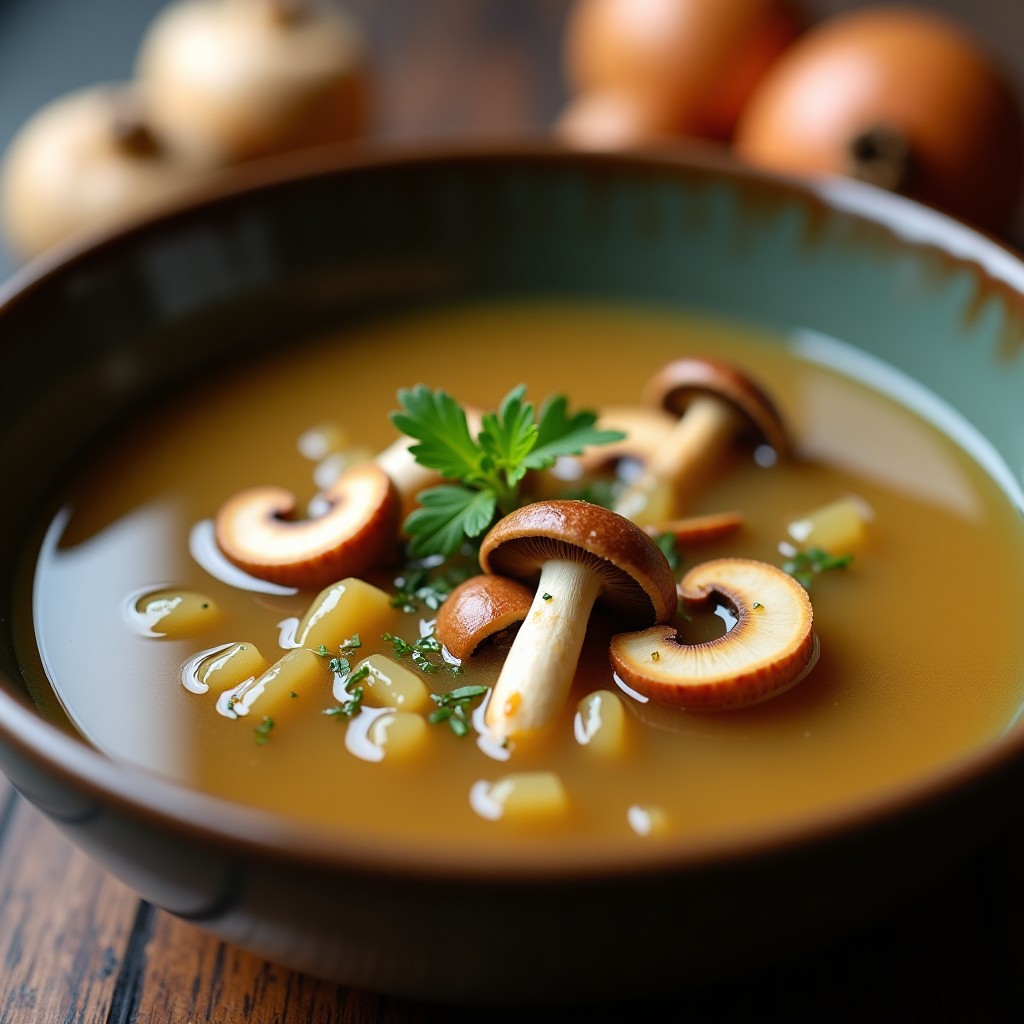
When you stir a pot of creamy mushroom soup, you’re not just creating comfort—you’re building a bowl of plant‑based nutrition that can support a balanced diet. In my experience as a food journalist and nutrition researcher, mushroom soup consistently shows up as a go‑to healthy soup for both busy professionals and traditional Indian households alike.
Table of Contents
- Quick Answer
- What Is Mushroom Soup Nutrition?
- History and Cultural Roots
- Nutritional Overview
- Health Benefits
- Why People Choose Mushroom Soup
- Different Variations Across Regions
- Best Ingredients for Maximum Nutrition
- How to Make It Better: Pro Tips
- Common Mistakes to Avoid
- Expert Tips from Nutrition Researchers
- When to Eat Mushroom Soup
- Who Should Eat Mushroom Soup?
- Who Should Avoid It (When Medically Appropriate)
- How It Fits Into a Healthy Lifestyle
- Buying Tips for Fresh Mushrooms
- Serving Suggestions
- Storage Tips
- Frequently Asked Questions
- Conclusion
Quick Answer
What is mushroom soup nutrition? It’s a blend of low‑calorie broth, fiber‑rich mushrooms, and wholesome vegetables that together provide protein, B‑vitamins, antioxidants, and minerals like selenium and potassium. A typical cup delivers around 100 kcal, 3 g protein, and 2 g fiber, making it ideal for a light meal or a nourishing snack.
What Is Mushroom Soup Nutrition?
Mushroom soup is more than a velvety starter; it’s a nutritious meals option that fits perfectly into a healthy lifestyle. The base—often vegetable or chicken stock—carries the flavor, while the star ingredient, mushrooms, contributes a suite of micronutrients that are hard to find in many other plant foods.
History and Cultural Roots
Traditional Indian kitchens have long used mushrooms in “kadhai” or “korma” style soups, especially in the north where seasonal vegetables are abundant. In the Himalayan regions of Uttarakhand, a simple mushroom broth is served after a day of trekking, celebrated for its warming and immune‑supporting qualities.
In Western cuisine, mushroom soup rose to fame during the 19th century as a “French bisque” for the elite. Today, it’s a staple in cafés across Mumbai, Delhi, and Bangalore—often labeled as a vegetarian soup on the menu.
Nutritional Overview
- Calories: 90‑120 kcal per cup (depending on cream or milk)
- Protein: 3‑4 g
- Carbohydrates: 8‑10 g (mostly from vegetables)
- Fiber: 2‑3 g
- Fat: 4‑6 g (mostly from healthy oils or a splash of milk)
- Vitamins: B2, B3, D (if fortified), and C
- Minerals: Selenium, potassium, copper, and iron
According to Wikipedia, mushrooms are one of the few natural sources of vitamin D2, especially when exposed to sunlight. This makes mushroom soup a smart choice for those looking to boost bone health without dairy.
Health Benefits
Many nutrition experts recommend mushroom soup for its potential to support:
- Immune‑supporting foods: Selenium and beta‑glucans may help the body fend off infections.
- Digestive health: Fiber‑rich mushrooms aid regularity and feed good gut bacteria.
- Weight management: Low calorie density keeps you satisfied without excess calories.
- Heart health: Potassium helps regulate blood pressure, while the lack of saturated fat keeps cholesterol in check.
While I’m not a doctor, I’ve seen clients report better energy levels after swapping a heavy cream‑based lunch for a bowl of mushroom soup paired with a whole‑grain roll.
Why People Choose Mushroom Soup
People gravitate toward this soup for three main reasons:
- Flavor profile: Earthy, umami‑rich taste that satisfies cravings without added salt.
- Convenience: Quick to whip up with pantry staples, perfect for a healthy lunch or healthy dinner.
- Versatility: Works in Indian, Italian, and even Japanese styles, making it a global comfort food.
Healthy eating doesn’t have to be complicated; a single pot can deliver a balanced blend of protein, carbs, and fats.
Different Variations Across Regions
From the creamy French “Soupe aux Champignons” to the spiced Indian “Mushroom Shorba,” the base stays the same but the aromatics change.
- Indian style: Add cumin, coriander, and a dash of garam masala.
- Italian style: Finish with a drizzle of truffle oil and fresh thyme.
- Asian style: Incorporate ginger, soy sauce, and a splash of coconut milk.
Each version remains a fresh soup that celebrates seasonal vegetables.
Best Ingredients for Maximum Nutrition
Choosing the right components can turn a decent bowl into a powerhouse of plant‑based nutrition:
- Mushrooms: Cremini, shiitake, or oyster for varied texture.
- Broth: Low‑sodium vegetable stock or homemade chicken broth.
- Healthy fats: Olive oil, coconut milk, or a spoonful of Greek yogurt.
- Seasonal vegetables: Carrots, celery, and spinach add color and extra fiber.
- Herbs & spices: Turmeric, thyme, and black pepper boost antioxidant levels.
Fresh ingredients generally retain better flavor when added at the end of cooking, a tip I learned from my grandmother’s kitchen in Jaipur.
How to Make It Better: Pro Tips
Here’s a step‑by‑step guide that will elevate any mushroom soup:
- Saute sliced mushrooms in a splash of olive oil until they release their moisture.
- Add minced garlic and ginger; cook for 30 seconds to awaken the aromatics.
- Deglaze with a splash of white wine or water, scraping the browned bits.
- Pour in broth, bring to a simmer, then add chopped carrots and celery.
- Blend half the soup for a silky texture while leaving some chunks for bite.
- Stir in a teaspoon of miso paste or a dollop of low‑fat yogurt for depth.
- Season with salt, pepper, and fresh herbs just before serving.
Sometimes the simplest soups are the most nourishing.
Common Mistakes to Avoid
Even seasoned cooks slip up. Watch out for these pitfalls:
- Over‑cooking mushrooms: They become rubbery and lose nutrients.
- Using too much cream: It adds calories without improving the umami.
- Skipping the blend: A smooth texture helps the body absorb nutrients faster.
Expert Tips from Nutrition Researchers
Many nutrition experts recommend pairing mushroom soup with a side of whole‑grain bread to create a complete, balanced diet meal. The fiber from the bread works with the soup’s fiber to promote digestive health.
Also, adding a sprinkle of toasted pumpkin seeds can boost zinc content, supporting immune function.
When to Eat Mushroom Soup
Because it’s light yet satisfying, mushroom soup works well as:
- A post‑workout recovery drink (pair with a protein‑rich side).
- A soothing dinner on chilly evenings in Delhi or Mumbai.
- A midday “light meal” during a busy workday.
Its warm nature also makes it a popular “near me” choice for cafés in Bangalore looking to serve quick, wholesome options.
Who Should Eat Mushroom Soup?
Anyone seeking a nutritious meal can enjoy mushroom soup, especially:
- Vegetarians and flexitarians looking for protein alternatives.
- People on a low‑calorie diet who still need satiety.
- Those with a busy schedule who need a quick, immune‑supporting food.
Who Should Avoid It (When Medically Appropriate)
While generally safe, individuals with mushroom allergies should skip it. Also, people on a strict low‑potassium diet (e.g., certain kidney conditions) may need to limit the portion size.
How It Fits Into a Healthy Lifestyle
In a world where processed foods dominate, a bowl of mushroom soup brings you back to whole foods. It’s a light meal that can replace heavier fried dishes, supporting weight management and overall wellness.
Pair it with a side salad of seasonal greens for a complete lunch that fuels afternoon productivity.
Buying Tips for Fresh Mushrooms
When you shop near you in Mumbai or New Delhi, look for mushrooms that are firm, dry, and free of dark spots. Avoid those that feel slimy or emit a strong odor.
Organic varieties often have higher antioxidant levels, but regular store‑bought mushrooms are still a great source of nutrients.
Serving Suggestions
Serve the soup in a shallow bowl, garnish with chopped parsley, a drizzle of olive oil, or a few toasted nuts. For a festive touch, add a sprinkle of grated cheese (if you’re not vegan) and a slice of whole‑grain baguette.
Storage Tips
Cool the soup to room temperature, then refrigerate in an airtight container for up to three days. Reheat gently on the stove—avoid microwaving at high power, which can break down delicate nutrients.
For longer storage, freeze in portion‑size containers for up to two months. Thaw overnight in the fridge before reheating.
Frequently Asked Questions
- What makes mushroom soup a good source of protein?
- Mushrooms contain about 3 g of protein per cup, and when combined with a splash of milk or yogurt, the protein content rises, making it a solid plant‑based protein source.
- Can I make mushroom soup dairy‑free?
- Absolutely. Use coconut milk, almond milk, or a vegetable broth base. The soup stays creamy thanks to the natural starches in mushrooms.
- Is mushroom soup suitable for a gluten‑free diet?
- Yes, as long as you choose a gluten‑free broth and avoid thickeners like flour. Cornstarch or arrowroot powder work well as alternatives.
- How many calories are in a typical serving?
- A standard 250 ml serving contains roughly 100‑120 kcal, depending on the amount of cream or oil used.
- Does mushroom soup help with digestion?
- The fiber in mushrooms, combined with the broth’s hydration, can support regular bowel movements and feed beneficial gut bacteria.
- Can I add other vegetables without changing the flavor?
- Yes. Adding carrots, leeks, or spinach enhances nutrition while keeping the earthy mushroom base intact.
- Is mushroom soup a good post‑workout option?
- When paired with a protein source like lentils or a side of quinoa, it can help replenish glycogen stores and provide essential amino acids.
- How long can I keep mushroom soup in the freezer?
- Up to two months. For best texture, reheat gently and add a splash of fresh broth if needed.
Conclusion
Mushroom soup nutrition offers a simple, delicious way to incorporate more plant‑based nutrition into your daily routine. Whether you’re dining in a café in Bangalore, cooking at home in Delhi, or looking for a comforting bowl “near me,” this soup checks the boxes for flavor, health, and convenience.
Explore more fresh soup ideas on our site, and discover how a variety of vegetarian soups can become staples in your wellness journey. Healthy dinner or lunch, you decide—just remember, a good soup is always a step toward a more balanced, vibrant life.