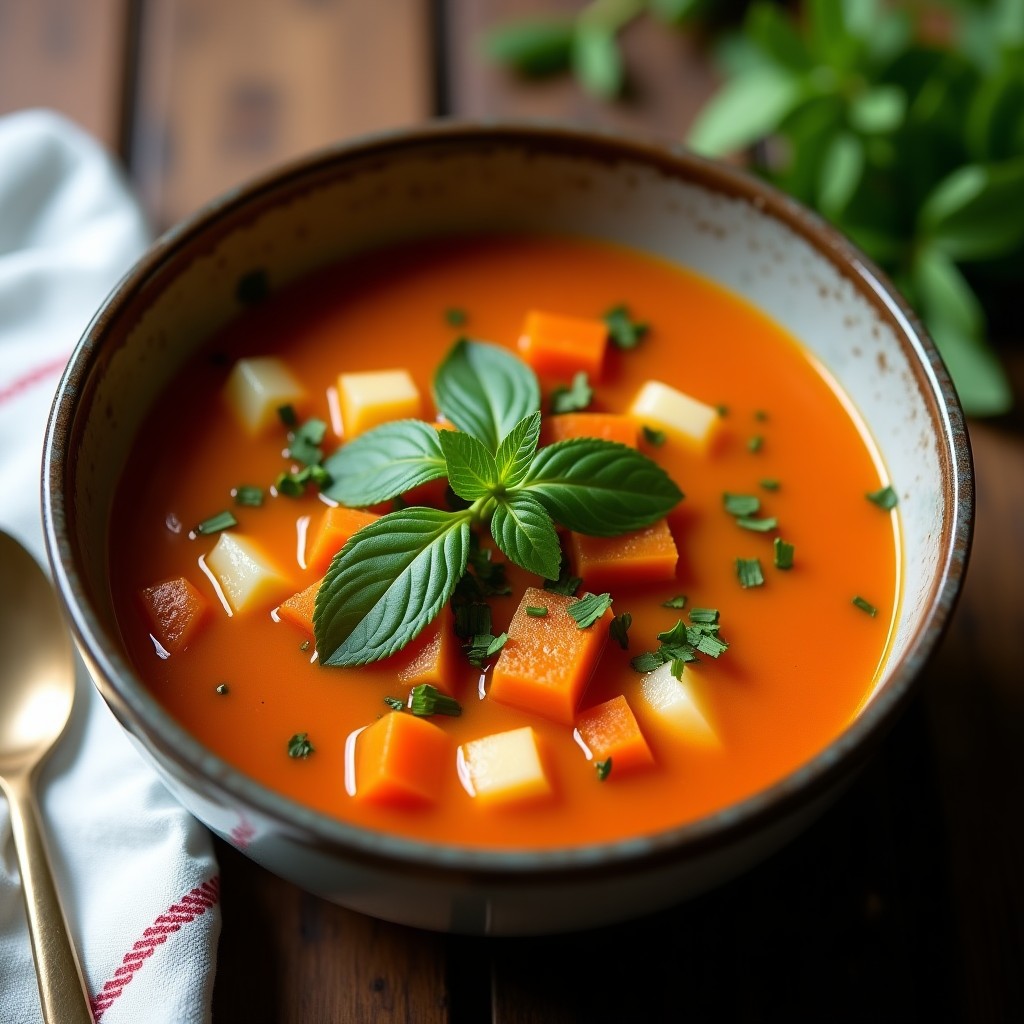
When the craving for something warm, filling, and plant‑based hits, a high protein vegetarian soup often steals the spotlight. In my kitchen, it’s the go‑to dish for a quick lunch, a post‑gym refuel, or a comforting dinner on a chilly Delhi evening. Below you’ll find everything you need to know—from the science behind the protein boost to the spices that make an Indian version unforgettable.
Table of Contents
- Introduction
- Quick Answer
- What Is High Protein Vegetarian Soup?
- History or Background
- Nutritional Overview
- Health Benefits
- Why People Choose It
- Different Variations
- Best Ingredients
- How to Make It Better
- Common Mistakes
- Expert Tips
- When to Eat It
- Who Should Eat It
- Who Should Avoid It
- How It Fits Into a Healthy Lifestyle
- Buying Tips
- Serving Suggestions
- Storage Tips
- Frequently Asked Questions
- Conclusion
Introduction
Soups have been a staple across cultures for millennia, but not all soups are created equal. A soup that balances protein, fiber, and flavor can turn a simple bowl into a complete meal. Whether you’re a lifelong vegetarian, a flexitarian, or just looking for a lighter dinner option, this guide will help you master the art of a protein‑packed, plant‑based broth.
Quick Answer
What makes a soup “high protein”? It contains at least 10 g of protein per cup, usually from legumes, lentils, tofu, tempeh, or protein‑rich grains. Pair those with vegetables, herbs, and spices, and you have a soup that satisfies hunger and supports muscle recovery.
- Typical protein sources: red lentils, chickpeas, soy chunks, Greek‑style yogurt (optional), quinoa.
- Average protein per serving: 12–18 g.
- Cooking time: 30–45 minutes.
What Is High Protein Vegetarian Soup?
In simple terms, a high protein vegetarian soup is a broth‑based dish that relies on plant foods to deliver a protein punch. Think of it as a nutrient‑dense alternative to meat‑laden stews, where beans, pulses, and soy take center stage. The result is a light yet satiating bowl that can serve as a main course or a hearty side.
History or Background
Traditional Indian households have long simmered lentils and beans with aromatic spices, creating dishes like dal shorba that are both comforting and protein‑rich. In the West, the rise of plant‑based diets in the 1990s sparked a wave of creative soups—think split‑pea, black‑bean, and tempeh chowders. Today, fusion recipes blend the best of both worlds, offering global flavors without compromising on protein.
Nutritional Overview
Below is a snapshot of the typical nutrition profile for a 2‑cup serving of a balanced high protein vegetarian soup:
| Nutrient | Amount |
|---|---|
| Protein | 14 g |
| Fiber | 8 g |
| Calories | 180 kcal |
| Iron | 2.5 mg |
| Calcium | 120 mg |
These numbers can shift depending on the beans or grains you choose, but the core idea remains: a wholesome, protein‑forward bowl that also delivers fiber‑rich foods and essential minerals.
Health Benefits
Many nutrition experts recommend soups like these for their ability to support:
- Muscle maintenance—plant proteins contain all essential amino acids when combined wisely.
- Digestive health—fiber from legumes and vegetables promotes regularity.
- Immune‑supporting foods—turmeric, ginger, and garlic add anti‑inflammatory compounds.
- Weight management—low‑calorie, high‑satiety meals help control portions.
While no single food can guarantee health, incorporating a high protein vegetarian soup into a balanced diet may support overall wellness.
Why People Choose It
From busy professionals in Mumbai looking for a quick lunch to families in Bengaluru seeking a wholesome dinner, the appeal is universal. The soup is:
- Convenient—make a big pot and enjoy leftovers.
- Adaptable—swap ingredients based on seasonal vegetables.
- Budget‑friendly—beans and lentils are inexpensive and store well.
- Eco‑friendly—plant‑based meals have a lower carbon footprint.
Healthy eating doesn’t have to be complicated.
Different Variations
Here are three popular twists that keep the core protein concept intact:
- Mushroom‑Quinoa Soup: Earthy mushrooms paired with quinoa for a complete protein.
- Spiced Lentil Coconut Soup: Red lentils simmered in coconut milk, seasoned with cumin and curry leaves.
- Tofu‑Tomato Basil Soup: Silken tofu blended into a tomato base, finished with fresh basil.
Each version can be tailored to local tastes—add a dash of garam masala in Delhi, or a splash of lime in Chennai for a bright finish.
Best Ingredients
Choosing the right components is half the battle. Below is my go‑to list for a protein‑dense, flavor‑rich bowl:
- Legumes: red lentils, chickpeas, black beans.
- Whole grains: quinoa, barley, millet.
- Soy products: firm tofu, tempeh, soy granules.
- Vegetables: spinach, kale, carrots, tomatoes, cauliflower.
- Spices & herbs: turmeric, cumin, coriander, ginger, garlic, fresh cilantro.
- Healthy fats: a drizzle of cold‑pressed mustard oil or a spoonful of ghee (optional).
Fresh ingredients generally retain better flavor when added toward the end of cooking, especially leafy greens.
How to Make It Better
Even a simple soup can be elevated with a few pro tricks:
- Toast spices dry for 30 seconds before adding liquid to unlock deeper aromas.
- Blend half the soup for a creamy texture without dairy.
- Finish with a splash of lemon juice or a pinch of smoked paprika for brightness.
- Use homemade vegetable stock for richer taste and lower sodium.
Sometimes the simplest soups are the most nourishing.
Common Mistakes
Avoid these pitfalls to keep your bowl protein‑packed and delicious:
- Overcooking legumes—can turn mushy and lose texture.
- Adding too much water—dilutes flavor and reduces protein density.
- Skipping the soak for beans—leads to uneven cooking and harder beans.
- Neglecting seasoning—protein‑rich foods need bold flavors to shine.
Expert Tips
In my experience, the secret to a perfect high protein vegetarian soup lies in layering flavors:
- Start with aromatics (onion, garlic, ginger).
- Add spices and toast them.
- Introduce the protein source and broth.
- Simmer until tender, then stir in greens.
- Finish with acid (lime, lemon) and a drizzle of oil.
Many nutrition experts recommend pairing the soup with a small side of whole‑grain toast for a complete meal.
When to Eat It
This soup shines at any time of day:
- Breakfast: Warm bowl with a poached egg for extra protein.
- Lunch: Light yet filling, perfect for a midday break.
- Dinner: Serves as a comforting end to a busy day, especially in cooler months.
It’s also a smart choice for post‑workout recovery, providing both carbs and protein.
Who Should Eat It
Anyone seeking a plant‑based protein source can benefit. Athletes, students, seniors, and parents looking for quick, nutritious meals will find this soup a reliable ally. It fits seamlessly into a healthy lifestyle focused on whole foods and balanced nutrition.
Who Should Avoid It
People with specific allergies to legumes, soy, or certain spices should modify the recipe. Those on a low‑FODMAP diet may need to limit beans and opt for tofu or quinoa instead. Always consult a healthcare professional for personalized advice.
How It Fits Into a Healthy Lifestyle
Integrating this soup into your weekly menu can boost your intake of plant‑based protein, fiber, and micronutrients without adding excess calories. Pair it with a side salad of seasonal vegetables for a nutrient‑dense lunch that supports digestive health and sustained energy.
Buying Tips
When shopping for ingredients, keep these pointers in mind:
- Choose dry beans and lentils in bulk—they’re cheaper and have a longer shelf life.
- Look for organic, non‑GMO tofu for the cleanest protein source.
- Select firm, bright‑colored vegetables; they’re fresher and more nutrient‑dense.
- Check the label on canned beans for low sodium and no added sugars.
Serving Suggestions
Serve the soup hot, garnished with a sprinkle of toasted pumpkin seeds, a drizzle of coconut cream, or fresh cilantro. Pair it with:
- Whole‑grain naan or roti (great for scooping up the broth).
- A small bowl of mixed fruit for a sweet contrast.
- Cold‑pressed almond milk latte for a brunch vibe.
Explore more ideas on our menu page for complementary dishes.
Storage Tips
Cool the soup to room temperature, then refrigerate in airtight containers for up to four days. For longer storage, freeze in portion‑sized bags for up to three months. Reheat gently on the stove—avoid boiling, which can break down delicate proteins.
Frequently Asked Questions
- What is the best plant protein for soup?
- Red lentils, chickpeas, and firm tofu are top choices because they cook relatively quickly and absorb flavors well, delivering around 8‑10 g of protein per half‑cup.
- Can I make a high protein vegetarian soup without soy?
- Absolutely. Use a combination of beans, lentils, quinoa, and nuts such as almonds or cashews to reach the protein target while keeping the dish soy‑free.
- Is this soup suitable for a gluten‑free diet?
- Yes, as long as you avoid barley or wheat‑based noodles. Stick to gluten‑free grains like quinoa or millet, and check that any stock you use is gluten‑free.
- How many calories are in a typical serving?
- A standard two‑cup serving contains roughly 180‑220 kcal, depending on the amount of oil or coconut milk used.
- Can I add cheese for extra protein?
- You can sprinkle a modest amount of paneer or feta, but keep in mind it adds saturated fat. For a dairy‑free boost, stir in nutritional yeast.
- What vegetables pair best with high protein soups?
- Seasonal greens like spinach, kale, and mustard greens, along with carrots, tomatoes, and cauliflower, complement the earthy flavors of legumes and soy.
- Is it okay to eat this soup every day?
- When varied with different beans, grains, and vegetables, a daily bowl can be part of a balanced diet. Rotate the ingredients to ensure a broad nutrient profile.
- How do I make the soup more spicy?
- Add fresh green chilies, a pinch of cayenne, or a dash of garam masala toward the end of cooking for a gentle heat that doesn’t overpower the protein.
Conclusion
Whether you’re hunting for a quick lunch in New Delhi, a comforting dinner after a rainy evening in Mumbai, or a protein‑rich meal for a fitness routine in Bengaluru, a high protein vegetarian soup offers a versatile, nutritious solution. By selecting the right legumes, whole grains, and spices, you can create a bowl that satisfies cravings, supports a healthy lifestyle, and showcases the richness of plant‑based cooking.
Ready to explore more wholesome soups? Dive into our blog for a collection of recipes that celebrate fresh, whole foods and keep you feeling your best.