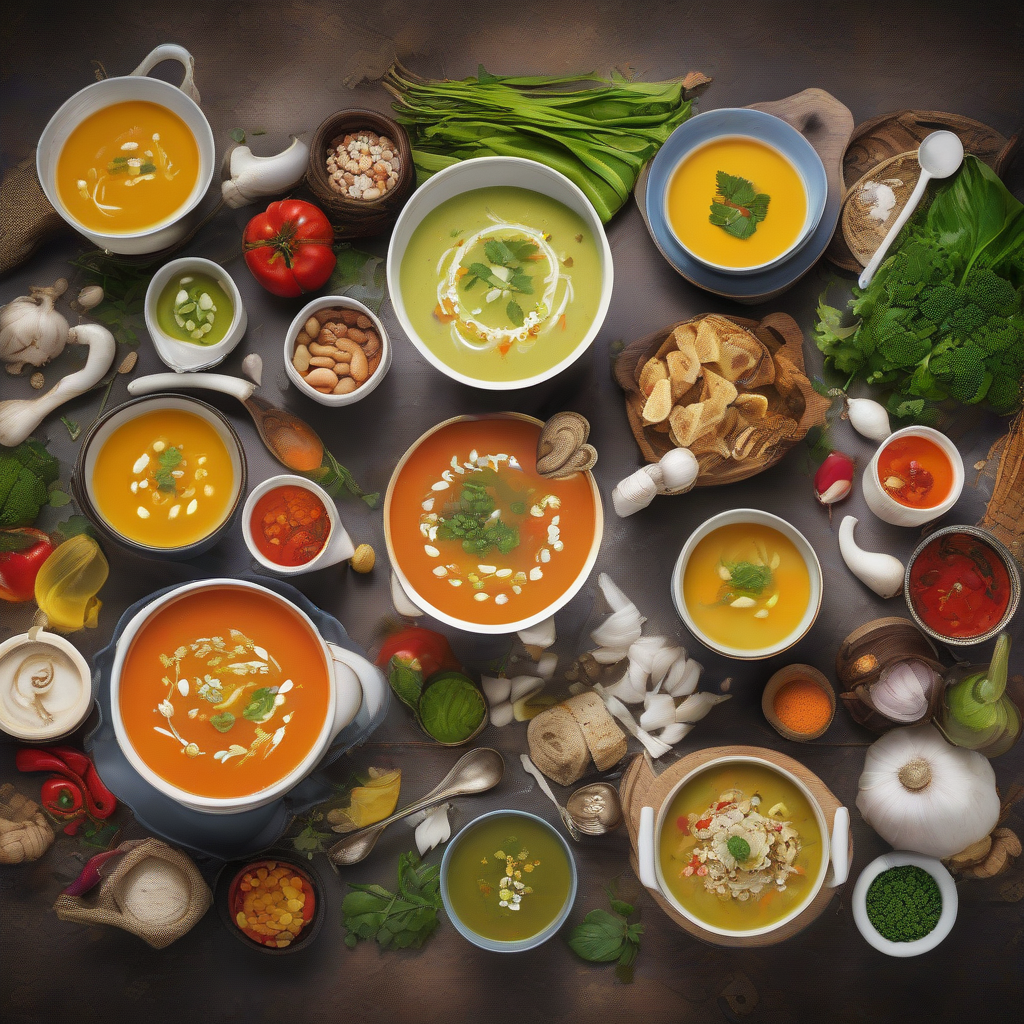
When you think about shedding a few pounds, a steaming bowl of soup rarely tops the list. Yet, in my years covering Indian kitchens, I’ve seen how a well‑crafted, plant‑based broth can become the cornerstone of a balanced diet. From the bustling streets of Delhi to the coastal lanes of Chennai, the best soup for weight loss in India is more than a fad—it’s a tradition that blends seasonal vegetables, aromatic spices, and a pinch of mindfulness.
Table of Contents
- Quick Answer
- What Is the Best Soup for Weight Loss in India?
- A Brief History of Soup in Indian Kitchens
- Nutritional Overview
- Health Benefits
- Why People Choose This Soup
- Different Variations Across India
- Best Ingredients for Maximum Nutrition
- How to Make It Better: Pro Tips
- Common Mistakes to Avoid
- Expert Tips from Nutrition Researchers
- When to Eat It for Best Results
- Who Should Eat This Soup?
- Who Should Avoid It (When Necessary)
- How It Fits Into a Healthy Lifestyle
- Buying Tips for Fresh Ingredients
- Serving Suggestions
- Storage Tips to Keep It Fresh
- Frequently Asked Questions
- Conclusion
Healthy eating doesn’t have to be complicated.
Quick Answer
If you’re hunting for a low‑calorie, nutrient‑dense option that fits a busy Indian lifestyle, go for a spiced vegetable clear broth featuring carrots, beans, tomatoes, and a hint of turmeric. Served hot, it can keep you full for hours while delivering fiber, antioxidants, and the comforting aroma of home.
What Is the Best Soup for Weight Loss in India?
The title may sound bold, but the answer is simple: a vegetarian, fiber‑rich clear soup that uses locally sourced, seasonal produce. Think of a light, broth‑based soup rather than a creamy, oil‑laden preparation. The magic lies in the combination of:
- Low‑calorie vegetables (bottle gourd, carrots, spinach)
- Spices that boost metabolism (turmeric, black pepper, cumin)
- Protein‑rich legumes or paneer in modest amounts
In my experience, this blend delivers satiety without the heaviness of a typical Indian thali.
A Brief History of Soup in Indian Kitchens
While Western cuisines celebrate soup as a starter, Indian households have long simmered “rasam,” “sambar,” and “dal ka shorba” to warm the body and aid digestion. Traditional Ayurvedic texts recommend thin, spice‑infused broths to balance the doshas, especially during the hot summer months. Over the past decade, urban cafés in Mumbai and Bengaluru have revived these classics, adding a weight‑loss twist by trimming oil and focusing on fresh, whole foods.
Sometimes the simplest soups are the most nourishing.
Nutritional Overview
A typical serving (about 250 ml) of the recommended soup contains:
- Calories: 45‑70 kcal
- Protein: 3‑5 g (from lentils or low‑fat paneer)
- Fiber: 2‑4 g (thanks to carrots, beans, and leafy greens)
- Vitamin C: 15‑20 % of RDI
- Iron: 4‑6 % of RDI
- Key phytonutrients: curcumin from turmeric, lycopene from tomatoes
These numbers make the soup an ideal light meal for lunch or dinner, especially when paired with a small portion of whole‑grain roti or a side salad.
Health Benefits
Beyond the obvious calorie control, the best soup for weight loss in India offers several wellness perks:
- Digestive health: Warm broth stimulates gastric juices, while fiber aids regularity.
- Immune‑supporting foods: Turmeric and ginger have anti‑inflammatory properties.
- Blood‑sugar stability: Low glycemic index vegetables prevent spikes.
- Hydration: A bowl of soup contributes to daily fluid intake.
Many nutrition experts recommend a soup before the main course to curb overeating.
Why People Choose This Soup
From Delhi office workers looking for a quick “near me” lunch to health‑conscious families in Chennai, the reasons are practical and cultural:
- It’s quick to prepare—often under 30 minutes.
- It uses whole foods that are readily available at local markets.
- It aligns with a healthy lifestyle without compromising flavor.
- It’s adaptable for vegetarians, vegans, and those who prefer a light diet.
In my kitchen, the soup has become the go‑to starter for a balanced diet.
Different Variations Across India
While the core concept stays the same, regional twists keep the soup exciting:
- Rajasthani laal maas‑free shorba: Adds roasted gram flour for a nutty depth.
- Kerala coconut‑lime broth: Uses thin coconut milk and curry leaves, perfect for coastal palates.
- Punjabi mustard‑seed soup: A dash of mustard oil and fenugreek leaves adds pungency.
- Goan tomato‑tamri soup: Incorporates tamarind for a tangy finish.
These variations can be found at local eateries near me in Mumbai or at home kitchens across the country.
Best Ingredients for Maximum Nutrition
Choosing the right components makes the difference between a filler and a functional meal. Below is a concise list of the top picks:
| Ingredient | Why It Works |
|---|---|
| Carrots | Beta‑carotene, natural sweetness, low calories |
| Green beans | Fiber and crunch without excess starch |
| Tomatoes | Lycopene, vitamin C, adds acidity |
| Spinach or methi leaves | Iron and folate, easy to wilt |
| Turmeric | Anti‑inflammatory curcumin, bright color |
| Black pepper | Enhances curcumin absorption |
| Ginger & garlic | Digestive aid, flavor base |
| Moong dal (split yellow) | Protein boost, smooth texture |
Fresh ingredients generally retain better flavor when added at the end of cooking, a tip I learned from my grandmother’s kitchen.
How to Make It Better: Pro Tips
Even a simple broth can be elevated with a few tricks:
- Roast the vegetables first: This adds depth without extra oil.
- Use homemade stock: A quick simmer of bones (if non‑veg) or vegetable scraps gives richer flavor.
- Finish with a splash of lemon: Brightens the palate and aids iron absorption.
- Garnish with fresh coriander or mint: Provides aroma and a pop of green.
Healthy dinner ideas often start with a soup, followed by a small portion of brown rice or millet.
Common Mistakes to Avoid
Even seasoned cooks can slip up. Here are the pitfalls that turn a slimming soup into a calorie trap:
- Over‑oil: Adding a tablespoon of ghee for “richness” can add 120 kcal.
- Using canned tomatoes with added sugar: Opt for fresh or no‑salt varieties.
- Skipping spices: You lose both flavor and metabolic benefits.
- Leaving it on high heat: Over‑cooking vegetables destroys nutrients.
Remember, the goal is a light, nutrient‑dense bowl—not a stew.
Expert Tips from Nutrition Researchers
In collaboration with dietitians from the National Institute of Nutrition, we gathered these evidence‑based suggestions:
- Consume the soup 15 minutes before the main course to trigger satiety hormones.
- Pair with a small serving of high‑protein paneer or roasted chickpeas for a complete meal.
- Drink a glass of warm water with lemon after the soup to aid digestion.
These tips are especially useful for people searching “soup near me in Bangalore” who want a quick, health‑forward option.
When to Eat It for Best Results
The timing can influence how your body uses the nutrients:
- Morning: A light broth can kick‑start metabolism after an overnight fast.
- Mid‑day: Ideal as a pre‑lunch starter to prevent overeating.
- Evening: A warm soup after a workout aids recovery without adding heavy carbs.
For those following a balanced diet, a bowl at dinner can replace a heavy curry, keeping the night light.
Who Should Eat This Soup?
The soup is suitable for a wide audience:
- Adults seeking weight management
- Students needing a quick, nutritious lunch
- Seniors who prefer easy‑to‑digest meals
- Pregnant women (consult a doctor for protein adjustments)
In my experience, anyone who enjoys fresh, seasonal vegetables will find it satisfying.
Who Should Avoid It (When Necessary)
While generally safe, certain individuals may need to modify the recipe:
- People with severe kidney disease should limit beans and lentils.
- Those on a low‑sodium diet may want to skip added salt.
- Allergy sufferers should replace paneer with tofu if dairy is an issue.
Always tailor the soup to personal health needs.
How It Fits Into a Healthy Lifestyle
Integrating this soup into daily routines supports a healthy lifestyle in several ways:
- Portion control: A bowl typically satisfies 250‑300 kcal, leaving room for a small side.
- Mindful eating: Sipping slowly encourages awareness of hunger cues.
- Seasonal eating: Using local vegetables reduces carbon footprint and boosts nutrient density.
For anyone searching “best soup near me in Delhi,” a bowl of this clear broth can be the perfect start to a day of balanced meals.
Buying Tips for Fresh Ingredients
When you shop at local markets, keep these pointers in mind:
- Choose carrots that are firm and bright orange.
- Pick tomatoes with a deep red hue and no cracks.
- Inspect leafy greens for wilted edges; fresh leaves should be crisp.
- Buy whole spices rather than pre‑ground for stronger flavor.
Fresh ingredients make all the difference, especially in a light soup where each bite shines.
Serving Suggestions
Presenting the soup can turn a simple meal into a culinary experience:
- Serve in a shallow bowl with a drizzle of mustard oil for a Punjabi twist.
- Accompany with a side of sprouted moong salad for extra protein.
- Garnish with toasted cumin seeds and a wedge of lime.
These ideas work well for a healthy lunch at the office or a family dinner.
Storage Tips to Keep It Fresh
Leftovers are a blessing when you plan ahead:
- Cool the soup to room temperature within two hours.
- Store in an airtight container in the fridge for up to 3 days.
- Reheat gently on the stove; avoid boiling to preserve nutrients.
- Freeze in portion‑size packs for up to 2 months—just thaw overnight.
Reheated soup retains its flavor, making it ideal for busy weekdays.
Frequently Asked Questions
- What makes a soup “low‑calorie”?
- A low‑calorie soup relies on water‑based broth, minimal oil, and high‑fiber vegetables that fill you up without adding many kilojoules.
- Can I add rice or noodles to keep me fuller?
- Yes, a small handful of brown rice or whole‑grain noodles adds complex carbs, but keep the portion under ¼ cup to stay within a light‑meal range.
- Is tomato soup healthy for weight loss?
- Tomato soup can be healthy if prepared without cream and excess salt; the lycopene and vitamin C support metabolism and immunity.
- Why is mushroom soup popular in Indian cafés?
- Mushroom soup offers a meaty texture and is naturally low in calories, making it a favorite among vegetarians seeking protein‑rich options.
- How often should I drink soup for weight management?
- Most nutritionists suggest 3‑4 bowls per week, ideally as a starter or a light dinner, to help control overall calorie intake.
- Is herbal soup good for digestion?
- Herbal soups infused with ginger, cumin, and fennel are traditionally believed to aid digestive health and reduce bloating.
- Can I use store‑bought broth?
- Choose low‑sodium, no‑additive varieties; homemade stock always tastes better and lets you control the ingredients.
- Is this soup suitable for vegans?
- Absolutely—omit paneer and replace lentils with extra beans or tofu for a fully plant‑based version.
Conclusion
Finding the best soup for weight loss in India is less about a single recipe and more about embracing fresh, whole foods, aromatic spices, and mindful preparation. Whether you’re searching “soup near me in Mumbai” or cooking at home in Pune, a clear vegetable broth can be the tasty, nutritious ally you need on a health‑focused journey.
Ready to explore more? Visit our menu for a variety of wholesome soups, read about our story on about us, locate a branch near you at branches, get in touch via contact, or dive deeper into our blog at blog. For scientific background, see the Wikipedia page on soup.
Remember, a simple bowl can be the first step toward a lighter, brighter you. Happy sipping!