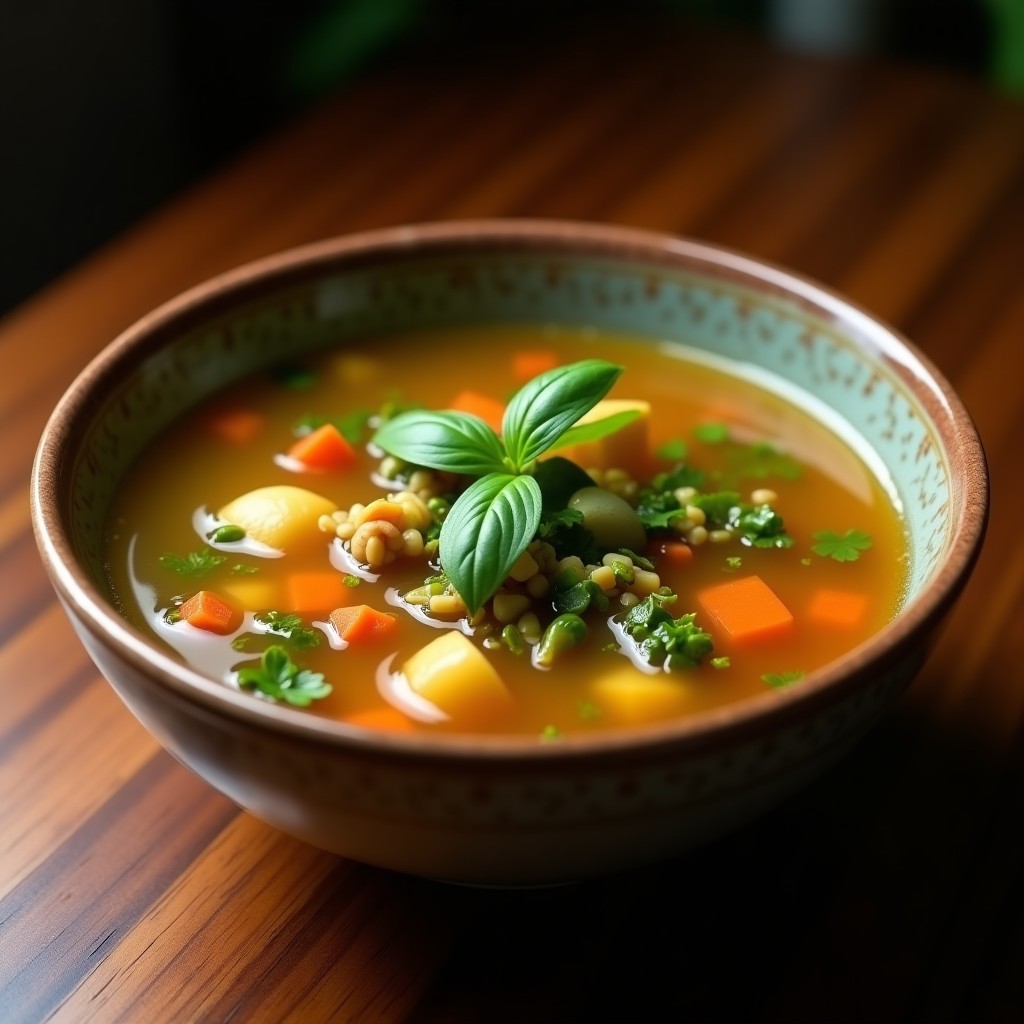
In my experience, the comfort of a warm bowl of Traditional Tamil Herbal Soup beats any fast‑food fix on a rainy evening in Chennai. This plant‑based, aromatic broth has been a staple in Tamil households for generations, offering a gentle way to blend flavor, nutrition, and tradition. If you’re searching for a healthy soup that feels both familiar and exciting, you’ve just found it.
Table of Contents
- Quick Answer
- What Is Traditional Tamil Herbal Soup?
- History and Background
- Nutritional Overview
- Health Benefits
- Why People Choose It
- Different Variations
- Best Ingredients for Maximum Flavor
- How to Make It Better
- Common Mistakes and How to Avoid Them
- Expert Tips from a Food Journalist
- When to Enjoy This Soup
- Who Should Include It in Their Diet
- Who Should Be Cautious
- How It Fits Into a Healthy Lifestyle
- Buying Tips for Fresh Ingredients
- Serving Suggestions
- Storage and Reheating
- Frequently Asked Questions
- Conclusion
Quick Answer
Traditional Tamil Herbal Soup is a light, vegetarian broth made with locally sourced herbs, seasonal vegetables, lentils, and a handful of spices such as cumin, peppercorn, and curry leaves. It is celebrated for its digestive benefits, immune‑supporting properties, and the way it balances the body’s doshas.
What Is Traditional Tamil Herbal Soup?
Traditional Tamil Herbal Soup is a traditional Indian soup that blends the earthy taste of lentils with the refreshing zest of herbs like coriander, mint, and holy basil (tulsi). The base is typically a clear, simmered water infused with turmeric, black pepper, and a touch of tamarind for a gentle tang. The result is a clear, fragrant soup that can be enjoyed as a light meal or a soothing starter.
History and Background
Historically, Tamil families in villages across the Kaveri delta used leftover greens and medicinal herbs to stretch their food supplies during lean seasons. The practice of simmering these ingredients into a broth dates back to the Sangam era, where texts describe “thavanam soup” as a remedy for travelers.
In cities like Coimbatore and Madurai, the soup evolved into a festive dish served during health‑focused gatherings such as the “Pongal” celebration. Today, the recipe is a common sight on menus at health cafés in Chennai, especially in neighborhoods like T. Nagar and Velachery, where people seek a nutritious meal that aligns with a modern, busy lifestyle.
Nutritional Overview
Each serving packs a balanced mix of protein, fiber, and micronutrients:
- Protein: Split yellow moong dal or toor dal contributes about 7 g per cup.
- Fiber: Seasonal vegetables such as carrots, drumsticks, and amaranth leaves add roughly 3 g of fiber.
- Vitamins & Minerals: Vitamin C from lime, iron from spinach, and potassium from pumpkin.
- Phytonutrients: Turmeric’s curcumin, black pepper’s piperine, and the antioxidants in mint and coriander.
Because the soup is water‑based, it’s low in calories—ideal for a healthy lunch or a light dinner without compromising satiety.
Health Benefits
While I’m not a medical professional, many nutrition experts suggest that the ingredients in this soup may support:
- Digestive health – the fiber and gentle spices help keep the gut moving.
- Immune‑support – vitamin C, zinc from lentils, and the antimicrobial properties of tulsi.
- Inflammation reduction – curcumin in turmeric is traditionally believed to soothe inflammation.
- Hydration – a clear broth contributes to daily fluid intake.
These benefits make the soup a popular choice during the monsoon, when a warm, immune‑supporting bowl feels especially comforting.
Why People Choose It
There are a few simple reasons why the Traditional Tamil Herbal Soup ranks high on the list of favorite healthy soups across Tamil Nadu:
- It’s plant‑based nutrition in a single pot.
- The ingredients are easy to find at local markets in Chennai, like the Koyambedu Market.
- The preparation time is under 45 minutes, perfect for a weekday dinner.
- It aligns with Ayurvedic principles of balancing the doshas, especially the Kapha dosha.
Sometimes the simplest soups are the most nourishing, and this one proves it every time.
Different Variations
Regional cooks add their own twists:
- Coastal version: A dash of coconut milk and a sprinkle of curry leaves for a richer mouthfeel.
- Spicy version: Dried red chilies and a spoonful of tamarind concentrate for a tangy kick.
- Winter version: Add roasted cumin powder and a handful of roasted peanuts for extra warmth.
Each variation keeps the core philosophy of a light, herbal, and fiber‑rich soup intact.
Best Ingredients for Maximum Flavor
Choosing the freshest produce makes all the difference. Here’s my go‑to list when I shop at the local Tamil Nadu vegetable market:
- Split yellow moong dal or toor dal – the protein base.
- Fresh drumstick (murunga kai) – adds a subtle, earthy note.
- Amaranth leaves (keerai) or spinach – for iron and a pop of green.
- Curry leaves, mustard seeds, and cumin – the aromatics that define the soup.
- Turmeric powder – the golden hue and the health boost.
- Fresh coriander, mint, and tulsi – the herbal finish.
- Lime or tamarind – a splash of acidity to brighten the broth.
Healthy eating doesn’t have to be complicated; a handful of these staples will take you a long way.
How to Make It Better
Even if you’re a seasoned cook, a few tweaks can elevate the soup:
- Toast the spices: Gently roast cumin, black pepper, and mustard seeds before grinding. This releases deeper aroma.
- Deglaze with a splash of coconut water: It adds a subtle sweetness without making the broth heavy.
- Finish with a drizzle of ghee: A teaspoon of clarified butter adds a silky texture and helps the fat‑soluble nutrients in turmeric absorb better.
- Use a pressure cooker for lentils: It cuts cooking time and yields a smoother consistency.
These tips are easy to incorporate on a busy weeknight and make the soup feel restaurant‑grade.
Common Mistakes and How to Avoid Them
Here are the typical pitfalls I see when people try this recipe for the first time:
- Over‑cooking the vegetables: They become mushy and lose nutrients. Add them in the last 10 minutes of simmering.
- Using too much water: The broth can turn watery. Start with a 1:3 dal‑to‑water ratio and adjust as needed.
- Skipping the tempering (tadka): The spices need that quick burst of hot oil to release their flavor.
- Neglecting the final acid hit: A squeeze of lime right before serving brightens the soup and balances the spices.
Fixing these small details makes a big difference in taste and nutrition.
Expert Tips from a Food Journalist
Having tasted soups across Chennai, Madras, and even the United States, I’ve learned a few pro tricks:
- Swap lentils for sprouted mung beans for extra crunch and enzymes.
- Blend half the soup for a creamy texture without adding cream.
- Season with a pinch of black salt (kala namak) to mimic the mineral taste of sea water.
These ideas keep the soup exciting while staying true to its wholesome roots.
When to Enjoy This Soup
The Traditional Tamil Herbal Soup works well at any time of day. I love it as a light healthy lunch after a morning walk in the Marina Beach area, or as a soothing healthy dinner after a hectic office day in the IT corridor of Guindy. Its gentle profile also makes it a great post‑workout refuel.
Who Should Include It in Their Diet
This soup is perfect for:
- Vegetarians looking for a protein‑rich, low‑fat option.
- People managing weight who want a filling, low‑calorie meal.
- Anyone seeking a immune‑supporting food during flu season.
- Busy professionals who need a quick, nutritious bowl.
Who Should Be Cautious
If you have a known allergy to lentils, mustard seeds, or any of the herbs listed, you should skip or modify the recipe. Those on a strict low‑sodium diet may want to limit the added salt and rely on the natural flavors of the herbs.
How It Fits Into a Healthy Lifestyle
In a balanced diet, a bowl of this soup can serve as a light meal that contributes protein, fiber, and micronutrients without excess calories. Pair it with a small portion of brown rice or a multigrain chapati for a complete, satisfying lunch.
Many nutrition experts recommend alternating between a vegetarian soup and a protein‑rich main to keep meals interesting and nutrient‑dense.
Buying Tips for Fresh Ingredients
When you head to a local store in Chennai or a farmer’s market in Coimbatore, keep these pointers in mind:
- Choose lentils that are firm and free of discoloration.
- Look for bright, glossy leaves – the greener, the better.
- Pick herbs that are still perky; wilted cilantro or mint loses flavor fast.
- If buying dry spices, check the expiration date; stale spices can make the soup taste flat.
Fresh ingredients generally retain better flavor when stored in the refrigerator for no more than three days.
Serving Suggestions
Here are a few ideas to turn a simple bowl into a culinary experience:
- Garnish with a handful of toasted pumpkin seeds for crunch.
- Serve alongside a small side of homemade pickle (mango or lime) for a tangy contrast.
- Drizzle a teaspoon of sesame oil for a nutty finish.
These touches add texture and visual appeal without compromising the soup’s health profile.
Storage and Reheating
Store the leftover broth in an airtight container in the refrigerator for up to 3 days. For longer storage, freeze individual portions in zip‑lock bags for up to 2 months. When reheating, do so gently over low heat to preserve the delicate herbs; a rapid boil can make the greens turn bitter.
Frequently Asked Questions
- What makes Tamil herbal soup different from other Indian soups?
- Traditional Tamil Herbal Soup relies on a clear, spice‑infused broth with a focus on herbs like tulsi, mint, and coriander, rather than heavy coconut or cream bases common in South Indian cuisine. This makes it lighter and more digestible.
- Can I use other legumes instead of moong dal?
- Yes. Split red lentils (masoor dal) or black-eyed peas work well, though cooking times may vary. Adjust the water ratio to keep the soup clear.
- Is the soup suitable for a gluten‑free diet?
- Absolutely. All the ingredients are naturally gluten‑free, making it a safe option for those with celiac disease or gluten sensitivity.
- How many calories are in a typical serving?
- A standard cup contains roughly 120‑150 kcal, depending on the amount of oil or ghee added. It’s a great choice for a low‑calorie dinner.
- Can I add meat to the soup?
- While the traditional version is vegetarian, you can add shredded chicken or fish for extra protein. However, it will no longer be a pure vegetarian soup.
- What herbs are essential for the authentic flavor?
- Curry leaves, coriander, mint, and tulsi are the core herbs. Adding a touch of fenugreek (methi) can deepen the aroma.
- Is the soup safe for children?
- Yes, as long as they have no allergies to the ingredients. Reduce the amount of black pepper for a milder taste suitable for young palates.
- Can I make the soup vegan?
- Simply omit the ghee or replace it with a drizzle of coconut oil. The broth remains fully plant‑based and nutritious.
Conclusion
The Traditional Tamil Herbal Soup is more than just a comforting bowl—it’s a bridge between ancient Tamil culinary wisdom and today’s health‑focused kitchens. By using fresh, whole foods and simple techniques, you can enjoy a soup that supports digestion, boosts immunity, and fits seamlessly into a balanced diet. Whether you’re in the bustling streets of Chennai or a quiet suburb of Coimbatore, a steaming pot of this herbal broth brings the warmth of Tamil tradition straight to your table.
Ready to explore more nourishing soups? Check out our menu for a variety of healthy vegetarian soups, read about our story at about us, find a nearby outlet on our branches page, or get in touch through contact. For a deeper historical perspective, you can also visit the Wikipedia article on Tamil cuisine.
Healthy, flavorful, and rooted in tradition—what’s not to love?