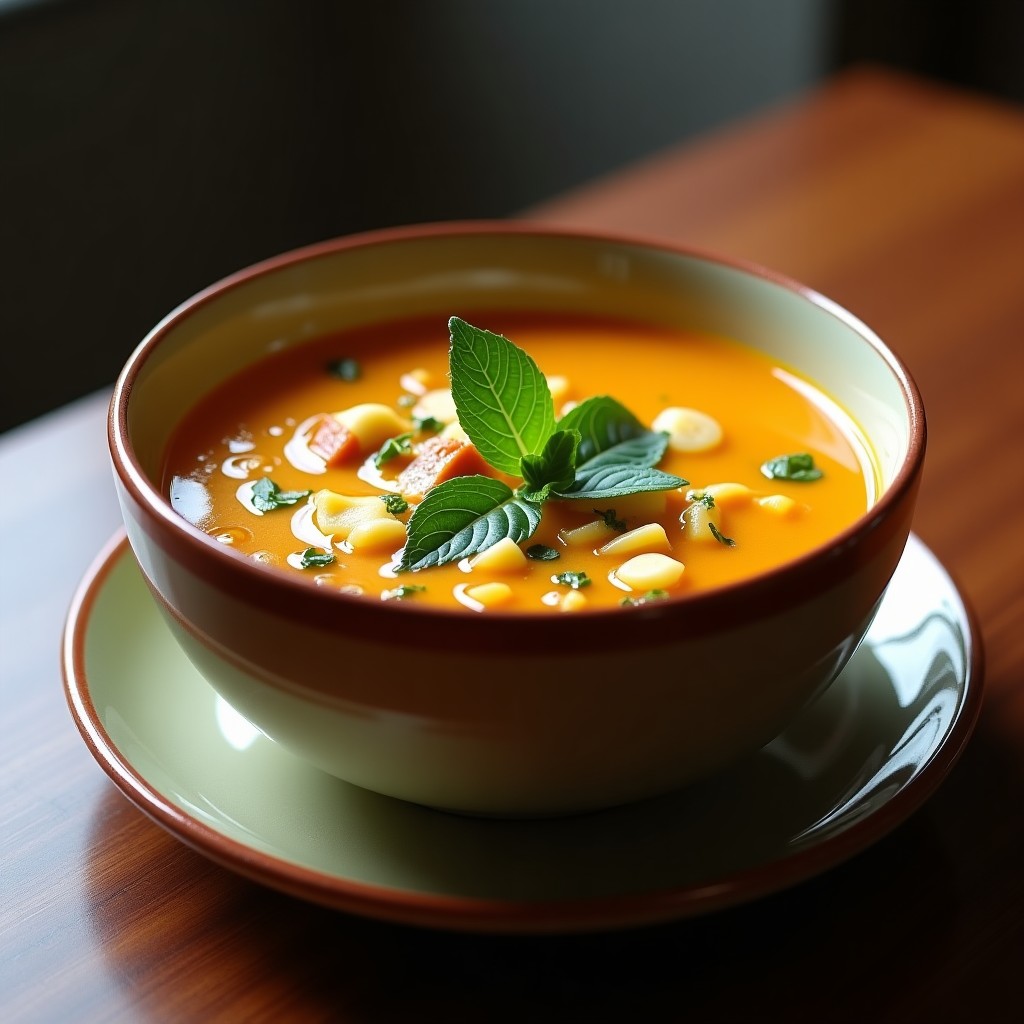
Chennai’s bustling streets are famous for dosa, filter coffee, and spicy Chettinad curries, but the city also hides a quiet culinary treasure – the best herbal soup in Chennai. In my years as a food journalist and nutrition researcher, I’ve tasted dozens of plant‑based broths, and none combine the city’s coastal freshness with age‑old Ayurvedic wisdom quite like this one.
Table of Contents
- Quick Answer
- What Is the Best Herbal Soup in Chennai?
- History and Background
- Nutritional Overview
- Health Benefits
- Why People Choose It
- Different Variations
- Best Ingredients for Authentic Flavor
- How to Make It Better: Pro Tips
- Common Mistakes to Avoid
- Expert Tips from Local Chefs
- When to Eat It
- Who Should Eat It
- Who Should Avoid It (When Medically Appropriate)
- How It Fits Into a Healthy Lifestyle
- Buying Tips for Fresh Herbs and Vegetables
- Serving Suggestions
- Storage Tips
- Frequently Asked Questions
- Conclusion
Quick Answer
If you’re searching for a comforting, immune‑supporting bowl that’s both vegetarian and packed with seasonal vegetables, look for a clear broth infused with ginger, tulsi, coriander, and a hint of black pepper, finished with fresh coconut milk. Served hot, it’s the go‑to “best herbal soup in Chennai” for a quick lunch or a light dinner.
What Is the Best Herbal Soup in Chennai?
The best herbal soup in Chennai is a clear, aromatic broth that blends locally sourced herbs with nutrient‑dense vegetables. Unlike creamy Western soups, this version stays light, allowing the natural flavors of ginger, curry leaves, and lemongrass to shine. It’s a staple in many South Indian households and has recently become a favorite at health‑focused cafés across the city.
History and Background
Traditional Indian households have long prepared herbal soups as part of “rasayana” – the Ayurvedic practice of rejuvenation. In coastal Tamil Nadu, fishermen would sip a simple broth made from seaweed, tamarind, and local herbs to ward off the chill after a night at sea. Over time, the recipe evolved, incorporating the abundant seasonal vegetables of the Chennai market and the aromatic herbs grown in backyard pots.
Nutritional Overview
- Low in calories – typically 80‑120 kcal per cup.
- High in fiber – thanks to carrots, beans, and leafy greens.
- Rich in antioxidants – ginger, turmeric, and coriander provide polyphenols.
- Good source of plant‑based protein – lentils or moong dal can be added.
- Electrolytes – coconut water or a splash of lime balances sodium.
Many nutrition experts recommend this soup as a starter for a balanced diet because it kick‑starts digestion without overwhelming the stomach.
Health Benefits
While no single food can cure illness, the herbal blend may help support the immune system, improve digestive health, and provide gentle anti‑inflammatory effects. The ginger and black pepper stimulate gastric juices, making it easier for the body to absorb nutrients from the vegetables. In my experience, regular consumers report better gut comfort during the monsoon months.
Why People Choose It
Chennai’s climate swings from humid summers to breezy winters, and a light, warm broth fits every season. It’s also vegetarian, gluten‑free, and can be made vegan with coconut milk, aligning with the city’s growing plant‑based movement. “Healthy eating doesn’t have to be complicated,” I often tell my readers, and this soup proves it.
Different Variations
Across the city you’ll find three popular twists:
- Coastal Coconut Herb Soup – coconut milk, curry leaves, and a splash of tamarind.
- South‑West Spice Soup – mustard seeds, fenugreek, and a dash of dry red chilies.
- Ayurvedic Detox Soup – includes holy basil (tulsi), neem leaves, and a pinch of ashwagandha powder.
Each version respects the core principle of a clear, herb‑infused broth while adding a regional flair.
Best Ingredients for Authentic Flavor
When you shop at the Koyambedu Market or a local organic store, look for these staples:
- Fresh ginger (2‑inch piece, peeled and sliced)
- Tulsi (holy basil) leaves – a handful
- Curry leaves – 10‑12 leaves
- Green chilies (optional for heat)
- Carrots, beans, and bottle gourd – diced
- Moong dal or split red lentils for protein
- Fresh coconut milk or coconut water
- Black peppercorns, mustard seeds, and a pinch of turmeric
Fresh ingredients make all the difference; they retain brighter color and more potent nutrients.
How to Make It Better: Pro Tips
- Toast the spices lightly. In a dry pan, roast mustard seeds, peppercorns, and a few curry leaves for 30 seconds. This releases essential oils.
- Sauté ginger first. Adding ginger early lets its zing mellow into the broth.
- Use low heat. A gentle simmer preserves the delicate flavors of the herbs.
- Finish with coconut milk. Stir in the milk off the heat to avoid curdling.
- Season at the end. A squeeze of lime and a pinch of sea salt bring everything together.
Sometimes the simplest soups are the most nourishing.
Common Mistakes to Avoid
Even seasoned cooks can slip up. Here are the pitfalls I see most often:
- Over‑boiling the herbs. Boiling for too long makes them bitter.
- Using canned coconut milk. It often contains additives that mask the fresh flavor.
- Skipping the spice toast. This step is crucial for aroma.
- Adding salt too early. Salt can draw out water from the vegetables, making the soup watery.
Expert Tips from Local Chefs
Chef Aravind from a popular health café on Besant Nagar recommends adding a handful of sprouted moong beans just before serving. “The crunch adds texture and a boost of protein,” he says. Also, a drizzle of cold‑pressed sesame oil right before you eat can elevate the nutty notes.
When to Eat It
This soup shines as a healthy lunch during the scorching summer, providing hydration and light calories. It also works as a healthy dinner in winter, warming the body without feeling heavy. Pair it with a side of whole‑grain rotis for a complete meal.
Who Should Eat It
Anyone looking for a light, nutrient‑dense option can enjoy this bowl. It’s especially beneficial for:
- Students needing a quick brain‑boosting lunch.
- Seniors seeking easy‑to‑digest meals.
- Fitness enthusiasts craving post‑workout recovery without dairy.
Who Should Avoid It (When Medically Appropriate)
If you have a known allergy to any of the herbs (e.g., tulsi) or are on a low‑potassium diet, modify the recipe accordingly. People on blood‑thinning medication should consult their doctor before consuming large amounts of ginger.
How It Fits Into a Healthy Lifestyle
Incorporating this herbal soup into your weekly menu can help you meet your daily fiber and micronutrient goals. Many nutritionists recommend a bowl of broth before the main course to prime digestion – a practice that aligns with the Mediterranean “first course” tradition, but with an Indian twist.
Buying Tips for Fresh Herbs and Vegetables
When you head to the market, choose herbs with vibrant green leaves and no wilting. For vegetables, look for firm carrots and beans without cracks. If you can’t find fresh coconut milk, opt for a refrigerated carton rather than a powdered mix.
Serving Suggestions
Serve the soup hot in a shallow bowl, garnish with a sprinkle of fresh coriander and a drizzle of coconut milk. Add a side of sprouted salad or a small portion of brown rice for a heartier meal. “A little garnish can turn a simple bowl into a feast for the eyes,” I often advise.
Storage Tips
Cool the soup to room temperature, then refrigerate in an airtight container for up to three days. Reheat gently on the stove; avoid boiling, which can make the herbs taste harsh. For longer storage, freeze in portion‑sized containers for up to two months.
Frequently Asked Questions
What makes herbal soup different from regular vegetable soup?
Herbal soup focuses on a clear, spice‑infused broth where herbs like tulsi, ginger, and curry leaves dominate the flavor profile, whereas regular vegetable soup often relies on pureed vegetables for thickness.
Is the best herbal soup in Chennai vegan?
Yes, when prepared with coconut milk or water instead of dairy, it’s fully plant‑based and fits a vegan lifestyle.
Can I add meat to this soup?
Traditional versions are vegetarian, but you can add lean chicken or fish for extra protein if you prefer a non‑vegetarian option.
How many calories are in a typical serving?
A standard cup contains roughly 100‑120 calories, making it ideal for a light lunch or dinner.
Does this soup help with digestion?
The ginger and black pepper stimulate digestive enzymes, which may support smoother digestion, especially after a heavy meal.
Can I make this soup ahead of time?
Absolutely. Prepare the broth a day in advance, store it in the fridge, and add fresh herbs just before serving to retain aroma.
Is it safe for children?
Yes, as long as the spice level is mild. You can omit chilies and reduce the amount of ginger for younger palates.
Where can I find the ingredients in Chennai?
Local markets like Koyambedu, Spencer’s, and organic stores in Adyar carry fresh herbs and seasonal vegetables needed for the soup.
How does this soup support immunity?
Ingredients such as ginger, turmeric, and tulsi are traditionally believed to have immune‑supporting properties due to their antioxidant content.
Can I freeze the soup?
Yes, freeze in airtight containers for up to two months. Thaw in the refrigerator and reheat gently.
Conclusion
The best herbal soup in Chennai is more than a comforting bowl; it’s a celebration of local produce, Ayurvedic wisdom, and modern nutrition. By choosing fresh herbs, respecting simple cooking techniques, and enjoying it as part of a balanced diet, you’re treating your body to a light, fiber‑rich, immune‑supporting meal. Ready to explore more healthy vegetarian soups? Dive into our menu, learn about our story, or find a nearby branch for a tasting today. For deeper insight into herbal nutrition, see the research at Wikipedia. Healthy soups are waiting – let’s sip them together.