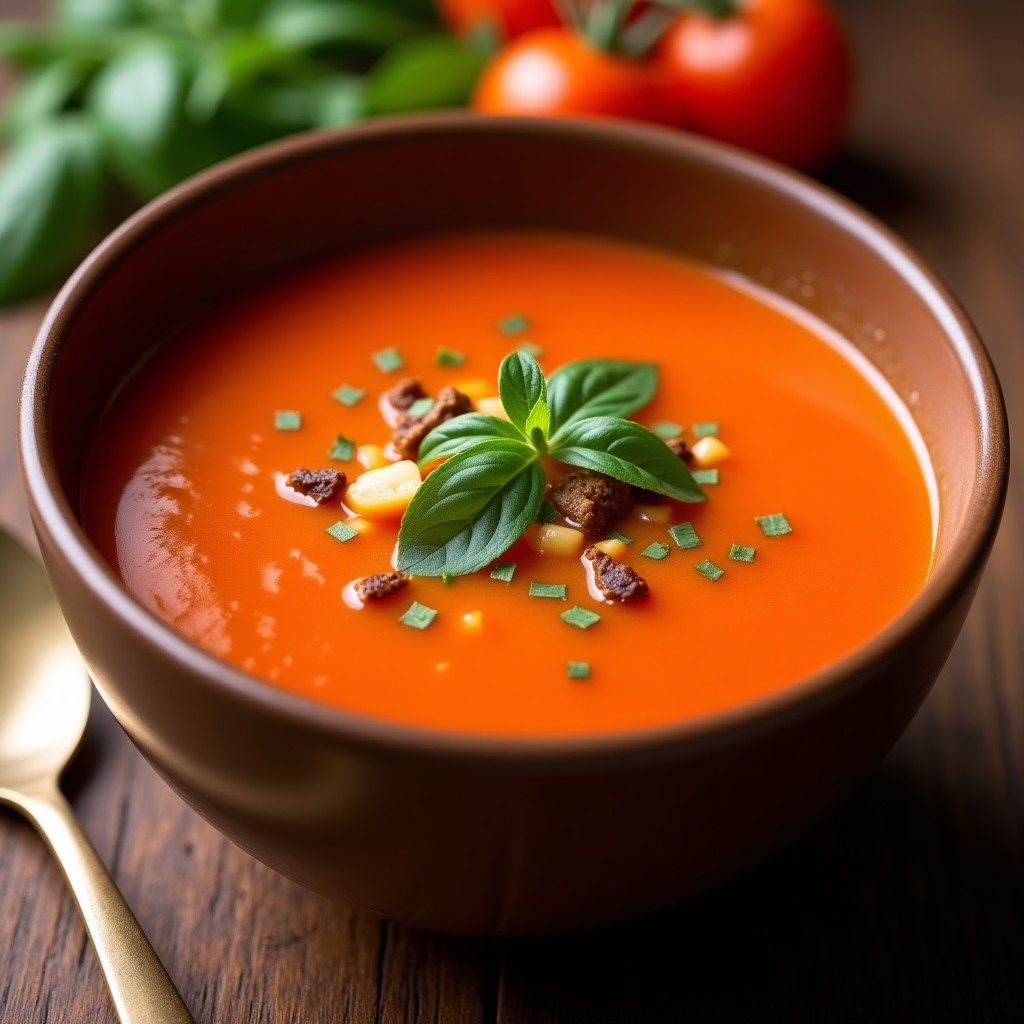
There’s something timeless about a bowl of fresh tomato soup that makes it a go‑to comfort food for families across India and beyond. In my experience, the magic lies in the balance of ripe tomatoes, aromatic spices, and a splash of wholesome broth. Whether you’re cooking for a quick lunch in Mumbai or a relaxed dinner in New Delhi, this fresh tomato soup recipe delivers flavor, nutrition, and that soothing warmth we all crave.
Table of Contents
- Quick Answer
- What Is Fresh Tomato Soup Recipe?
- History or Background
- Nutritional Overview
- Health Benefits
- Why People Choose It
- Different Variations
- Best Ingredients
- How to Make It Better
- Common Mistakes
- Expert Tips
- When to Eat It
- Who Should Eat It
- Who Should Avoid It
- How It Fits Into a Healthy Lifestyle
- Buying Tips
- Serving Suggestions
- Storage Tips
- Frequently Asked Questions
- Conclusion
Quick Answer
Fresh tomato soup recipe: blend ripe tomatoes, onion, garlic, ginger, and a pinch of cumin; simmer with vegetable stock, finish with a swirl of cream or coconut milk, and season to taste. Ready in 30 minutes, it’s a plant‑based, fiber‑rich soup perfect for a healthy lunch or dinner.
What Is Fresh Tomato Soup Recipe?
The term “fresh” refers to using tomatoes at their peak ripeness, usually harvested in summer. The soup is a vegetarian, whole‑food preparation where the tomatoes are the star, supported by aromatics like garlic, onion, and Indian spices such as cumin and coriander. It’s a light, broth‑based dish that can be served hot or chilled, making it versatile for any season.
History or Background
Tomato soup arrived in India during the British colonial era, but Indian households quickly made it their own. Traditional Indian kitchens added cumin, mustard seeds, and a touch of garam masala, turning the Western classic into a comforting Indian soup. In many families in Bangalore, a spoonful of fresh tomato soup is served after a heavy meal to aid digestion.
Nutritional Overview
One cup of this soup typically provides:
- ≈90 calories
- 3 g protein
- 5 g fiber
- Vitamin C covering 40 % of the daily value
- Potassium for electrolyte balance
Because the recipe relies on whole, unprocessed ingredients, it aligns well with a balanced diet and supports a healthy lifestyle. Many nutrition experts highlight tomatoes as a source of lycopene, an antioxidant linked to heart health.
Health Benefits
Fresh tomato soup can be a cornerstone of immune‑supporting foods. Here are the top benefits, presented in a snippet‑ready list that Google loves:
- Rich in antioxidants: Lycopene and vitamin C help neutralize free radicals.
- Supports digestive health: Fiber and warm broth stimulate gut motility.
- Hydration boost: High water content contributes to daily fluid intake.
- Low‑calorie satiety: Keeps you full without excess calories, ideal for weight‑management plans.
Why People Choose It
From a culinary standpoint, the soup is quick, inexpensive, and adaptable. From a health perspective, it’s a plant‑based nutrition powerhouse that fits into vegetarian and vegan diets. “Healthy eating doesn’t have to be complicated,” I often tell my readers, and this soup proves that point.
Different Variations
While the classic version stays true to Indian flavors, you can experiment:
- Spicy kick: Add a dash of red‑chili powder or fresh green chilies.
- Creamy twist: Stir in coconut milk or almond cream for a dairy‑free richness.
- Herb‑infused: Finish with fresh basil, cilantro, or mint for a fragrant finish.
- Roasted version: Roast tomatoes and onions before blending for deeper caramel notes.
Best Ingredients
The quality of each component determines the final taste. Here’s my go‑to list:
- Ripe heirloom or vine tomatoes (about 1 kg)
- Organic yellow onion, finely chopped
- Garlic cloves, minced
- Fresh ginger, grated (1 tsp)
- Ground cumin (½ tsp) and coriander (½ tsp)
- Low‑sodium vegetable stock (4 cups)
- Extra‑virgin olive oil (2 tbsp)
- Optional: coconut milk (½ cup) or low‑fat cream (¼ cup)
- Sea salt and freshly cracked black pepper
Fresh ingredients make all the difference, especially when you pick tomatoes that are firm yet give a little under gentle pressure.
How to Make It Better
Even a simple soup can be elevated with a few pro tips:
- Blanch the tomatoes: A quick dip in boiling water makes skin removal painless, resulting in a smoother texture.
- Sauté aromatics first: Cooking onion, garlic, and ginger in oil releases their flavors before adding liquid.
- Season gradually: Add salt in stages; the stock already contains sodium.
- Finish with a cold‑pressed oil: A drizzle of walnut or avocado oil adds healthy fats and a glossy finish.
Common Mistakes
New cooks often stumble on these pitfalls:
- Using over‑ripe tomatoes that turn the soup mushy.
- Skipping the sauté step, which leads to a flat flavor profile.
- Blending a hot soup directly, risking burns—let it cool slightly or use a vented blender.
- Over‑seasoning with salt; remember the stock already contributes saltiness.
Expert Tips
From my kitchen to yours:
- For extra depth, add a teaspoon of smoked paprika.
- If you crave a velvety mouthfeel, swirl in a spoonful of Greek yogurt just before serving.
- To keep the soup bright, finish with a squeeze of fresh lemon juice.
When to Eat It
This soup shines as a light meal during lunch or as a starter for dinner. In Delhi’s monsoon season, a steaming bowl warms you from the inside out. During hot summer evenings in Chennai, you can serve it chilled for a refreshing twist.
Who Should Eat It
Anyone looking for a nutrient‑dense, low‑calorie option can enjoy this soup. It’s especially suitable for:
- Vegetarians and vegans (use coconut milk)
- People seeking fiber‑rich foods for digestive health
- Those on a weight‑management plan
- Anyone craving a quick, immune‑supporting snack
Who Should Avoid It
While generally safe, individuals with:
- Severe tomato allergies
- Acid reflux who find tomatoes irritating
- Kidney issues requiring low potassium intake
should consult a healthcare professional before making it a regular part of their diet.
How It Fits Into a Healthy Lifestyle
Many nutrition experts recommend incorporating a seasonal vegetable soup into daily meals. This fresh tomato soup recipe provides antioxidants, hydration, and a feeling of fullness without heavy fats. Pair it with a whole‑grain roll or a side salad for a complete, balanced lunch.
Visit our About Us page to learn how we source local, organic produce for recipes like this.
Buying Tips
When shopping at local markets in Bangalore or Mumbai, look for:
- Deep red color with a glossy skin.
- Firm but slightly yielding texture.
- Fragrant aroma—no sour or wilted scent.
Choosing organic tomatoes reduces exposure to pesticide residues, aligning with a whole foods approach.
Serving Suggestions
Serve the soup in a pre‑warmed bowl to keep it hot longer. Top with:
- Fresh basil leaves
- Crumbled feta or paneer (optional)
- Whole‑grain croutons for crunch
- A drizzle of extra‑virgin olive oil
Looking for more ideas? Check out our Menu for complementary salads and grain bowls.
Storage Tips
Cool the soup to room temperature, then refrigerate in an airtight container for up to 3 days. For longer storage, freeze in portion‑size containers; it retains flavor for up to 2 months. Reheat gently on the stovetop, adding a splash of water or stock to restore the desired consistency.
Frequently Asked Questions
- What makes a tomato soup “fresh”?
- Fresh tomato soup uses ripe, in‑season tomatoes that are minimally processed. The emphasis is on retaining natural flavor, vitamins, and antioxidants, unlike canned versions that may contain added sugars or preservatives.
- Is tomato soup healthy for kids?
- Yes, when prepared with low‑sodium stock and without added cream, it provides vitamin C, potassium, and fiber. Serve it warm with a side of whole‑grain toast for a kid‑friendly, balanced meal.
- Can I make this soup dairy‑free?
- Absolutely. Substitute the cream with coconut milk, almond milk, or simply omit it. The soup remains creamy thanks to the natural pectin in tomatoes.
- How long does it take to prepare?
- The active cooking time is about 20 minutes, plus 10 minutes for simmering. Total time from start to finish is roughly 30 minutes, making it perfect for a quick dinner.
- What’s the best way to store leftovers?
- Transfer the cooled soup to a sealed container and refrigerate for up to three days. For longer storage, freeze in portions; thaw in the fridge overnight and reheat gently.
- Can I add protein to the soup?
- Yes, stir in cooked lentils, chickpeas, or shredded chicken for extra protein. This turns the soup into a more filling main course while keeping it nutritious.
Conclusion
There you have it—a comprehensive, fresh tomato soup recipe that blends tradition, nutrition, and convenience. Whether you’re a busy professional in Hyderabad looking for a quick lunch, or a family in Pune craving a comforting dinner, this soup fits the bill. Remember, the secret lies in choosing ripe tomatoes, respecting the spice balance, and serving it with love.
Ready to explore more wholesome, vegetarian soups? Dive into our collection of healthy soup recipes and discover how simple, plant‑based meals can elevate your everyday wellness.