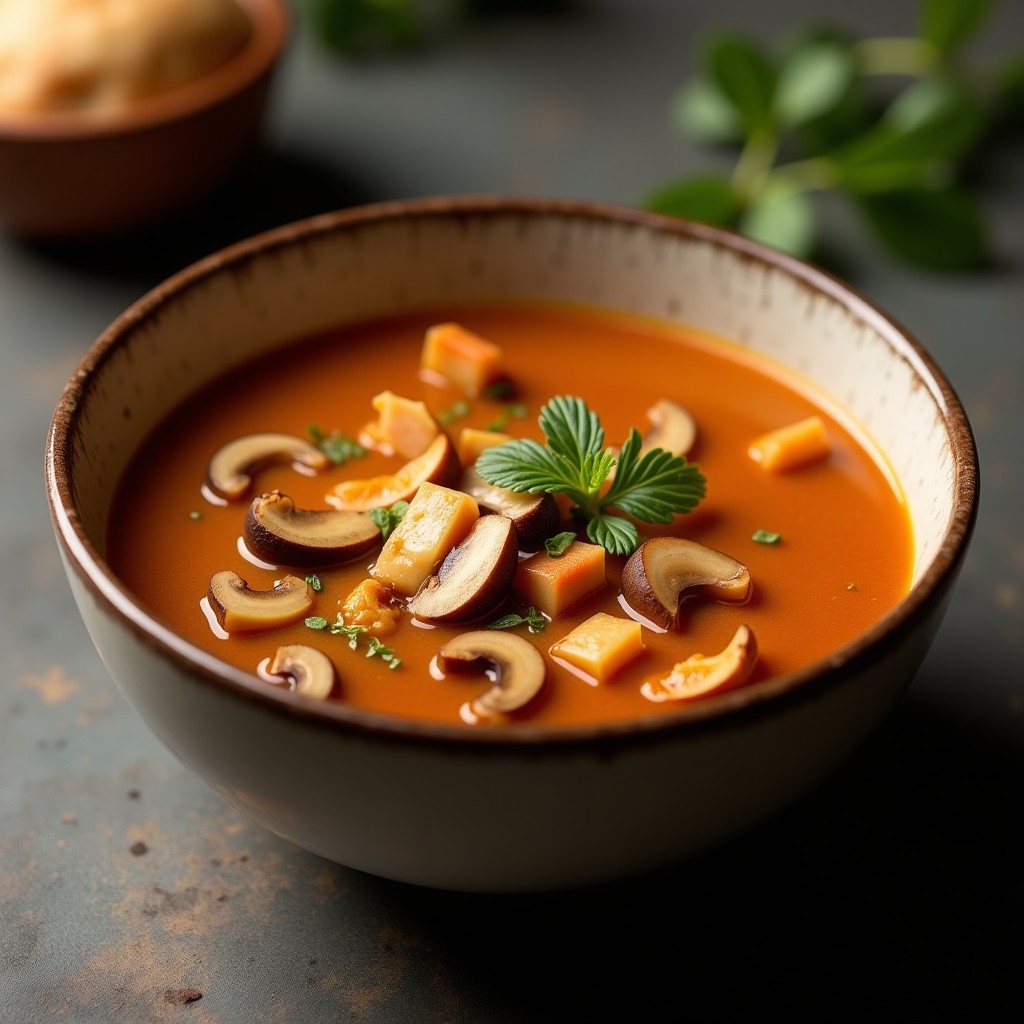
In my experience, mushroom soup has a way of slipping onto the dinner table without anyone even asking. Whether it’s a quick lunch in a bustling Delhi office or a comforting bowl after a chilly night in Bangalore, the appeal is unmistakable. This article unpacks why mushroom soup is popular across cultures, seasons, and dietary preferences, while giving you practical tips to make it even better.
Table of Contents
- Quick Answer
- What Is Mushroom Soup and Why Is It So Popular?
- History and Cultural Background
- Nutritional Overview
- Health Benefits
- Why People Choose Mushroom Soup
- Different Variations Across Regions
- Best Ingredients for a Winning Soup
- How to Make Mushroom Soup Better
- Common Mistakes to Avoid
- Expert Tips from Chefs and Nutritionists
- When to Eat Mushroom Soup
- Who Should Eat Mushroom Soup
- Who Should Avoid It (When Necessary)
- How It Fits Into a Healthy Lifestyle
- Buying Tips for the Best Mushrooms
- Serving Suggestions
- Storage Tips
- Frequently Asked Questions
- Conclusion
Quick Answer
Why mushroom soup is popular boils down to three core reasons: its earthy flavor, nutritional versatility, and ease of preparation. The creamy texture satisfies cravings for comfort food, while the natural umami of mushrooms makes it a favorite among vegetarians and meat‑eaters alike.
What Is Mushroom Soup and Why Is It So Popular?
At its simplest, mushroom soup is a blend of sautéed mushrooms, aromatics, stock, and a thickening agent—often cream or a plant‑based alternative. The result is a velvety, aromatic soup that can be served hot or cold.
- Definition 1: Mushroom soup is a healthy soup made primarily from mushrooms, broth, and seasonings.
- Definition 2: A vegetarian soup that delivers a meat‑like umami punch without animal products.
- Definition 3: In Indian kitchens, mushroom soup often becomes a traditional soup infused with spices like cumin, coriander, and garam masala.
History and Cultural Background
Traditional Indian households have long prepared mushroom dishes, but the modern creamy mushroom soup gained traction during the British colonial era. The British introduced thickened soups to Indian menus, and local cooks quickly adapted the recipe, adding native spices. Today, you’ll find mushroom soup on menus from Mumbai cafés to New Delhi street‑food stalls, proving its lasting popularity.
Nutritional Overview
Mushrooms are low‑calorie powerhouses. A cup of sliced button mushrooms contains about 15 calories, 2 g of protein, 2 g of fiber, and a suite of B‑vitamins. When paired with a broth made from vegetables or bone, the soup becomes a fiber‑rich, plant‑based nutrition source that supports a balanced diet.
Key nutrients include:
- Vitamin D (especially in sun‑exposed varieties)
- Potassium for heart health
- Antioxidants such as selenium
- Beta‑glucans that may support immune‑supporting foods
Health Benefits
Many nutrition experts recommend mushroom soup as part of a healthy lifestyle because it can:
- Support digestive health thanks to its fiber content.
- Provide immune‑supporting nutrients like selenium and vitamin C (when citrus is added).
- Offer a low‑fat, high‑protein option for those watching calorie intake.
- Be easily adapted into a dairy‑free version, making it suitable for lactose‑intolerant diners.
While no single food can cure disease, regular inclusion of mushroom soup may help maintain overall wellness.
Why People Choose Mushroom Soup
Beyond nutrition, the soup’s flavor profile is a major draw. The natural umami of mushrooms mimics the richness of meat, which is why many vegetarians and vegans reach for it as a comforting, satisfying meal. In fast‑paced Indian metros, a bowl of hot mushroom soup offers a quick, nourishing break without the heaviness of fried snacks.
Different Variations Across Regions
From the classic French cream of mushroom to the spicy Indian mushroom shorba, the soup adapts to local tastes:
- French‑style: Butter, shallots, white wine, and heavy cream.
- Indian‑style: Mustard seeds, curry leaves, turmeric, and a splash of coconut milk.
- Japanese‑style: Miso broth, wakame seaweed, and a dash of soy sauce.
- American‑style: Chunky mushrooms with thyme and a splash of cheddar‑infused broth.
Best Ingredients for a Winning Soup
Freshness matters. Choose firm, dry mushrooms—button, cremini, or shiitake—for the best texture. Pair them with:
- Organic vegetable stock (or homemade broth).
- Whole‑food thickeners like cashew cream or oat flour.
- Seasonings: garlic, ginger, black pepper, and a pinch of smoked paprika.
- Optional greens: spinach, kale, or mustard greens for extra nutrients.
Healthy eating doesn’t have to be complicated.
How to Make Mushroom Soup Better
Here’s a step‑by‑step guide that elevates the ordinary to the extraordinary:
- Sauté the aromatics. Heat a tablespoon of olive oil, add minced garlic and ginger until fragrant.
- Brown the mushrooms. Add sliced mushrooms and let them release their juices; this deepens the umami.
- Deglaze. Pour in a splash of white wine or water, scraping the pan bottom.
- Add stock. Pour in vegetable broth, bring to a gentle boil, then simmer for 10 minutes.
- Blend. Use an immersion blender for a silky texture, or leave it chunky for rustic appeal.
- Finish. Stir in a dollop of coconut cream, a squeeze of lemon, and fresh herbs like cilantro or parsley.
Common Mistakes to Avoid
Even seasoned cooks slip up. Watch out for:
- Over‑cooking mushrooms, which makes them rubbery.
- Using too much salt early; it masks subtle flavors.
- Relying on canned broth, which can contain hidden MSG and excess sodium.
- Skipping the blending step if you want a truly velvety mouthfeel.
Expert Tips from Chefs and Nutritionists
Many chefs suggest adding a pinch of smoked salt or a drizzle of truffle oil for a gourmet twist. Nutritionists recommend topping the soup with a sprinkle of roasted pumpkin seeds for extra crunch and omega‑3 fatty acids.
When to Eat Mushroom Soup
Because it’s light yet filling, mushroom soup works as a healthy lunch or a healthy dinner. It’s especially comforting during monsoon season in Mumbai or winter evenings in Delhi. For a quick pre‑workout boost, pair a small bowl with a slice of whole‑grain toast.
Who Should Eat Mushroom Soup
Anyone looking for a nutritious, plant‑based meal can enjoy it. It’s ideal for:
- Vegetarians and vegans seeking protein‑rich options.
- Busy professionals needing a quick, wholesome lunch near me in New Delhi.
- Fitness enthusiasts wanting a light, recovery‑friendly dinner.
Who Should Avoid It (When Necessary)
If you have a known mushroom allergy, obviously skip it. Those on a low‑potassium diet should monitor portion sizes, as some mushroom varieties are potassium‑dense.
How It Fits Into a Healthy Lifestyle
Mushroom soup can be a cornerstone of a balanced diet. Pair it with a side salad of seasonal vegetables for a complete, nutrient‑dense meal. The soup’s high water content also aids hydration, making it a smart choice for wellness‑focused individuals.
Buying Tips for the Best Mushrooms
When shopping near you in Bangalore, look for mushrooms with tight caps and no dark spots. Avoid pre‑sliced packs that have been sitting in the fridge for days; they lose flavor quickly. Fresh mushrooms generally retain better flavor when stored in a paper bag in the refrigerator.
Serving Suggestions
Serve hot with a drizzle of extra‑virgin olive oil and a sprinkle of fresh herbs. For a festive touch, add toasted garlic croutons or a swirl of cashew cream. Pair with a crusty whole‑grain roll for a satisfying lunch.
Explore more soups on our menu page and discover other healthy vegetarian options.
Storage Tips
Cool the soup to room temperature, then refrigerate in an airtight container for up to three days. For longer storage, freeze in portion‑size bags for up to two months. Reheat gently on the stovetop; avoid microwaving, which can cause the texture to separate.
Frequently Asked Questions
What makes mushroom soup different from other vegetable soups?
Mushroom soup stands out because of its natural umami, a savory depth that many other vegetables lack. This makes it feel richer without needing heavy cream or meat, appealing to both vegetarians and meat‑eaters.
Can I make mushroom soup dairy‑free?
Absolutely. Substitute dairy cream with coconut milk, cashew cream, or oat milk. The result stays creamy while staying plant‑based, perfect for a vegan or lactose‑intolerant diet.
Is mushroom soup good for weight loss?
Because it’s low in calories yet high in fiber and protein, mushroom soup can help you feel full longer. Pair it with a side of leafy greens for a balanced, low‑calorie meal.
How long does homemade mushroom soup last?
When stored in the refrigerator, it stays fresh for 3‑4 days. In the freezer, it maintains quality for up to two months if kept in airtight containers.
Can I add other vegetables to mushroom soup?
Yes! Carrots, celery, and leeks blend well and boost the nutrient profile. Just sauté them with the mushrooms for a harmonious flavor.
Is mushroom soup suitable for kids?
Most children enjoy its mild flavor. Just ensure the texture is smooth and avoid overly spicy seasonings. A splash of cream can make it more appealing for younger palates.
What are the best mushrooms for soup?
Cremini, shiitake, and oyster mushrooms provide depth, while button mushrooms give a subtle base. Mixing varieties creates a complex flavor.
Does mushroom soup help with immunity?
Mushrooms contain beta‑glucans and selenium, nutrients that may support immune‑supporting foods. While not a cure, regular consumption can be part of an overall healthy diet.
Conclusion
From its earthy flavor to its nutrient‑dense profile, why mushroom soup is popular becomes clear: it satisfies cravings, supports health, and adapts to countless cuisines. Whether you’re sipping a warm bowl in a Delhi office or enjoying a light lunch near me in Mumbai, mushroom soup fits seamlessly into a wholesome, balanced lifestyle. Ready to explore more? Dive into our blog for additional recipes, and don’t forget to check out our contact page if you have any questions about sourcing the freshest ingredients.
Healthy eating doesn’t have to be complicated. Sometimes the simplest soups are the most nourishing.
For more scientific insight into mushroom nutrition, see Wikipedia’s mushroom page.