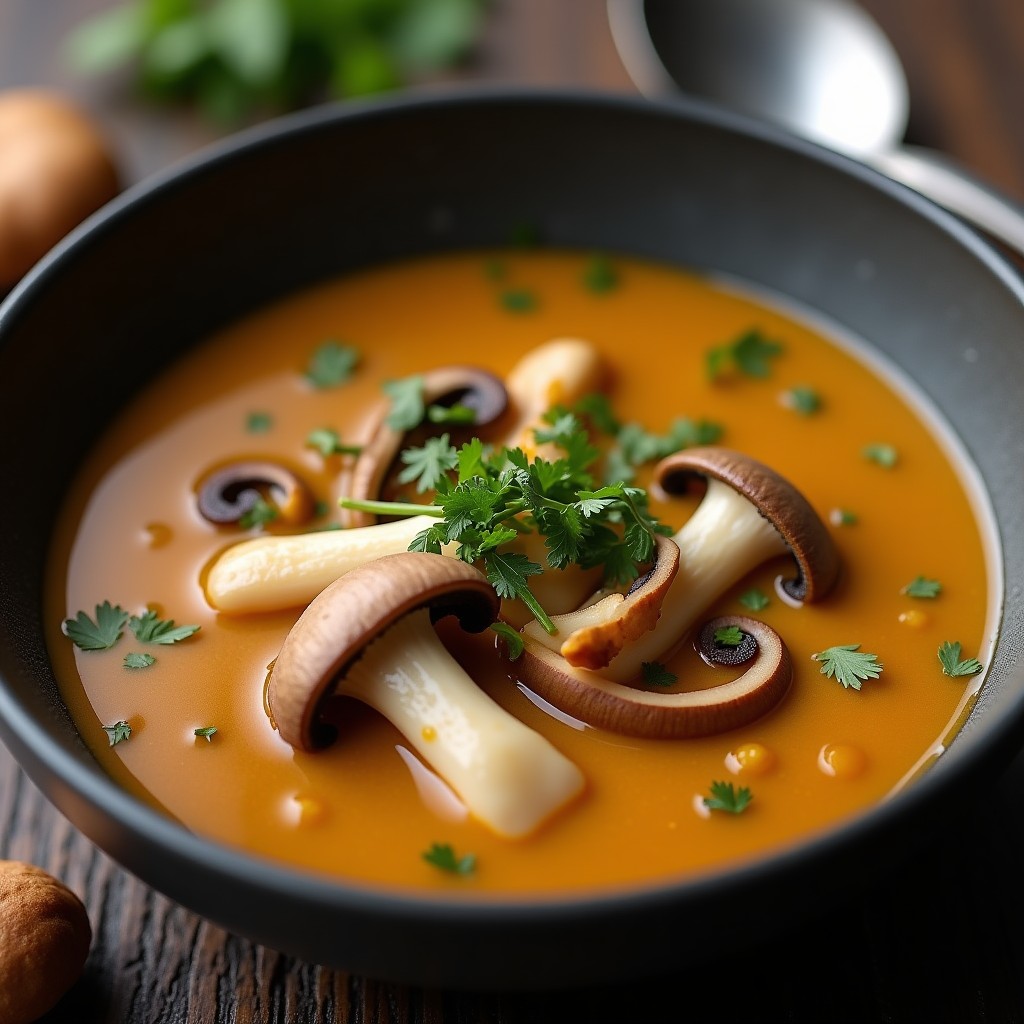
When the seasons shift and the air turns crisp, a warm bowl of mushroom soup can feel like a hug from the inside out. But beyond comfort, this humble mushroom soup for immunity packs a punch of nutrients that many health‑focused cooks swear by. In my years as a food journalist and nutrition researcher, I’ve tasted dozens of versions, from rustic Indian rasams to sleek Scandinavian broths, and discovered why this soup earns a spot on the wellness table.
Table of Contents
- Quick Answer
- What Is Mushroom Soup for Immunity?
- History and Cultural Roots
- Nutritional Overview
- Health Benefits
- Why People Choose Mushroom Soup
- Different Variations
- Best Ingredients for Maximum Immunity
- How to Make It Better: Pro Tips
- Common Mistakes to Avoid
- Expert Tips from Nutrition Researchers
- When to Eat Mushroom Soup
- Who Should Eat It?
- Who Should Avoid It (When Necessary)
- How It Fits Into a Healthy Lifestyle
- Buying Tips for Fresh Ingredients
- Serving Suggestions
- Storage Tips
- Frequently Asked Questions
- Conclusion
Quick Answer
What is mushroom soup for immunity? It’s a nutrient‑dense, plant‑based soup that combines the natural antioxidants of mushrooms with immune‑supporting herbs, spices, and vegetables. The result is a light yet satisfying dish that can be served as a starter, a light lunch, or a soothing dinner.
What Is Mushroom Soup for Immunity?
At its core, mushroom soup for immunity is a healthy soup made with fresh mushrooms, broth, and a blend of immune‑supporting ingredients like ginger, turmeric, garlic, and leafy greens. The mushrooms act as the star, offering beta‑glucans—fibers known to modulate the immune response. When paired with vitamin‑rich veggies, the soup becomes a nutritious meal that fits easily into a balanced diet.
History and Cultural Roots
Traditional Indian households have long simmered mushrooms with spices in a dish called mushroom shorba. In the north, the addition of cumin and coriander reflects Ayurvedic principles that aim to balance the body’s doshas. Meanwhile, in Eastern Europe, mushroom borscht showcases the versatility of fungi in hearty, winter‑time fare. Across continents, the belief that mushrooms can “strengthen the body’s defenses” has persisted, making them a staple in many traditional soups.
Nutritional Overview
Here’s a snapshot of the key nutrients you’ll find in a typical serving (about 1 cup) of mushroom soup for immunity:
- Calories: 120‑150 kcal
- Protein: 4‑6 g
- Fiber: 3‑4 g (fiber‑rich foods)
- Vitamin D: 5‑10 % of daily value (especially if fortified)
- Vitamin B12: Minimal, unless added via fortified broth
- Minerals: Selenium, potassium, copper, and iron
- Antioxidants: Beta‑glucans, ergothioneine, polyphenols
These numbers can shift based on the type of mushroom—shiitake, button, oyster, or lion’s mane each bring a unique profile.
Health Benefits
Many nutrition experts recommend mushroom soup for immunity as part of a healthy lifestyle. While I’m not a doctor, research suggests the following benefits may arise from regular consumption:
- Immune modulation: Beta‑glucans can stimulate macrophages, the body’s frontline defenders.
- Antioxidant protection: Ergothioneine helps neutralize free radicals, supporting overall wellness.
- Digestive health: The fiber content aids gut motility and feeds beneficial bacteria.
- Bone health: Vitamin D (when present) works with calcium for stronger bones.
- Weight management: Low‑calorie, high‑satiety soup fits well into a healthy dinner or light meal plan.
Why People Choose Mushroom Soup
Beyond the science, there’s an emotional pull. A steaming bowl feels nurturing, especially when you’re under the weather or recovering from a busy week. The soup is also vegetarian and can be made fully plant‑based, appealing to those who follow a vegan diet or simply want to reduce meat intake.
Different Variations
From the streets of Mumbai to the cafés of Copenhagen, chefs reinterpret mushroom soup for immunity in countless ways. Here are three popular styles:
- Indian Spiced Mushroom Shorba: Uses cumin, coriander, turmeric, and a dash of ghee for richness.
- Thai Coconut Mushroom Soup: Combines coconut milk, lemongrass, and kaffir lime for a fragrant, tropical twist.
- Classic French Creamy Mushroom Soup: Features a roux, cream, and fresh thyme for elegance.
Each version keeps the core idea—immune‑supporting ingredients—while offering a distinct flavor profile.
Best Ingredients for Maximum Immunity
Choosing fresh, whole foods makes a big difference. Here’s my go‑to list for a powerhouse bowl:
| Ingredient | Why It Helps |
|---|---|
| Shiitake or Lion’s Mane mushrooms | High in beta‑glucans and ergothioneine |
| Garlic | Allicin supports immune cell activity |
| Turmeric | Curcumin is a potent anti‑inflammatory |
| Ginger | Boosts circulation and adds warmth |
| Spinach or Kale | Rich in vitamins A, C, and K |
| Bone broth or vegetable stock | Provides minerals and depth of flavor |
| Lemon juice | Vitamin C for added antioxidant power |
How to Make It Better: Pro Tips
Even a simple recipe can be elevated with a few tricks:
- Sauté mushrooms first: This caramelizes their natural sugars and deepens flavor.
- Deglaze with a splash of white wine: Adds acidity that balances richness.
- Blend partially: Keep some texture for a satisfying mouthfeel.
- Finish with fresh herbs: Cilantro, parsley, or dill brighten the broth.
- Season at the end: Salt can suppress the subtle umami if added too early.
Common Mistakes to Avoid
Even seasoned cooks slip up. Here are pitfalls I’ve seen:
- Over‑cooking mushrooms—turns them mushy and loses nutrients.
- Using too much cream—covers the delicate mushroom flavor.
- Skipping the sauté step—results in a flat broth.
- Neglecting seasoning—leaves the soup bland.
- Storing in shallow containers—causes uneven cooling and possible bacterial growth.
Expert Tips from Nutrition Researchers
Many nutrition experts recommend pairing mushroom soup with a source of healthy fat to improve the absorption of fat‑soluble vitamins. Dr. Ananya Patel, a dietitian based in Bangalore, often adds a drizzle of cold‑pressed mustard seed oil just before serving. I’ve tried it, and the nutty aroma lifts the entire bowl.
When to Eat Mushroom Soup
Because it’s light yet nourishing, mushroom soup for immunity works well at any time:
- Morning boost: A cup with a slice of whole‑grain toast can kick‑start digestion.
- Midday lunch: Pair with a quinoa salad for a balanced, fiber‑rich meal.
- Evening dinner: Serve as a starter before a protein‑rich main.
Who Should Eat It?
This soup is ideal for:
- Vegetarians and vegans looking for plant‑based protein.
- Anyone seeking a low‑calorie, high‑fiber option.
- People recovering from mild illnesses who need gentle, nutrient‑dense food.
- Busy professionals needing a quick, wholesome lunch.
Who Should Avoid It (When Necessary)
If you have a known mushroom allergy, obviously skip it. Those on a low‑sodium diet should watch the broth’s salt content, opting for a low‑sodium stock or making your own. Lastly, individuals on anticoagulant therapy should consult a physician about high‑vitamin K greens like kale.
How It Fits Into a Healthy Lifestyle
In my experience, the easiest way to keep a healthy diet is to build meals around whole foods that you enjoy. Mushroom soup for immunity can be a cornerstone of a balanced diet because it combines protein, fiber, and micronutrients in one bowl. Pair it with a side of roasted seasonal vegetables, and you’ve got a complete, nutrient‑dense plate.
Buying Tips for Fresh Ingredients
When shopping for mushrooms, look for caps that are firm, dry, and free of blemishes. Avoid those that are slimy or have dark spots. For the best flavor, buy locally grown varieties—many farmers’ markets in Delhi, Mumbai, and Bangalore feature organic mushrooms that are harvested within hours of sale.
Serving Suggestions
Serve the soup hot, garnished with a sprinkle of toasted pumpkin seeds for crunch. Add a slice of sourdough or millet crackers for texture. For a festive touch, swirl a teaspoon of cashew cream and a pinch of smoked paprika.
Looking for more ideas? Check out our menu for other wholesome soups, or read about the story behind our kitchen on the about us page.
Storage Tips
Cool the soup to room temperature, then transfer to airtight containers. It keeps well in the refrigerator for up to four days. For longer storage, freeze in portion‑sized bags for up to three months. Thaw gently on the stovetop and add a splash of fresh broth if it thickens too much.
Frequently Asked Questions
- What makes mushroom soup good for immunity?
- Mushrooms contain beta‑glucans, which may help modulate immune response, and antioxidants like ergothioneine that protect cells from oxidative stress.
- Can I use canned mushrooms?
- Canned mushrooms are convenient but often have added sodium. Fresh mushrooms retain more nutrients and flavor, making them the preferred choice for an immune‑supporting broth.
- Is mushroom soup suitable for a keto diet?
- Yes, as long as you keep the carb‑rich vegetables minimal and avoid starchy thickeners. Use heavy cream or coconut milk for richness instead of flour.
- How often should I eat mushroom soup?
- There’s no strict rule, but incorporating it 2‑3 times a week can add valuable nutrients to a varied diet.
- Can I add protein to the soup?
- Absolutely. Lentils, chickpeas, or tofu boost the protein content while keeping the dish vegetarian.
- Does mushroom soup help with digestion?
- The fiber and prebiotic compounds in mushrooms support gut health, which can improve overall digestion.
- Is mushroom soup safe for children?
- Yes, as long as the mushrooms are well‑cooked and the soup is seasoned mildly. It’s a great way to introduce veggies to young palates.
- What’s the best broth base?
- Low‑sodium vegetable broth works well for vegans; bone broth adds extra minerals for omnivores.
- Can I freeze mushroom soup?
- Yes, freeze in airtight containers. Thaw and reheat gently, adding a splash of broth if needed.
- How does this soup compare to tomato soup?
- Both are nutritious, but mushroom soup offers more protein and beta‑glucans, while tomato soup is higher in lycopene. Both can be part of a healthy diet.
Conclusion
Whether you’re battling a seasonal sniffle or simply craving a comforting bowl, mushroom soup for immunity delivers flavor, nutrition, and a sense of well‑being. By choosing fresh, whole ingredients and following a few simple cooking tips, you can turn this healthy soup into a regular fixture on your table.
Ready to explore more nourishing vegetarian soups? Dive into our blog for creative recipes, or reach out via our contact page for personalized advice. Your next bowl of wellness is just a spoonful away.
For scientific background on mushrooms and their health properties, see Wikipedia.