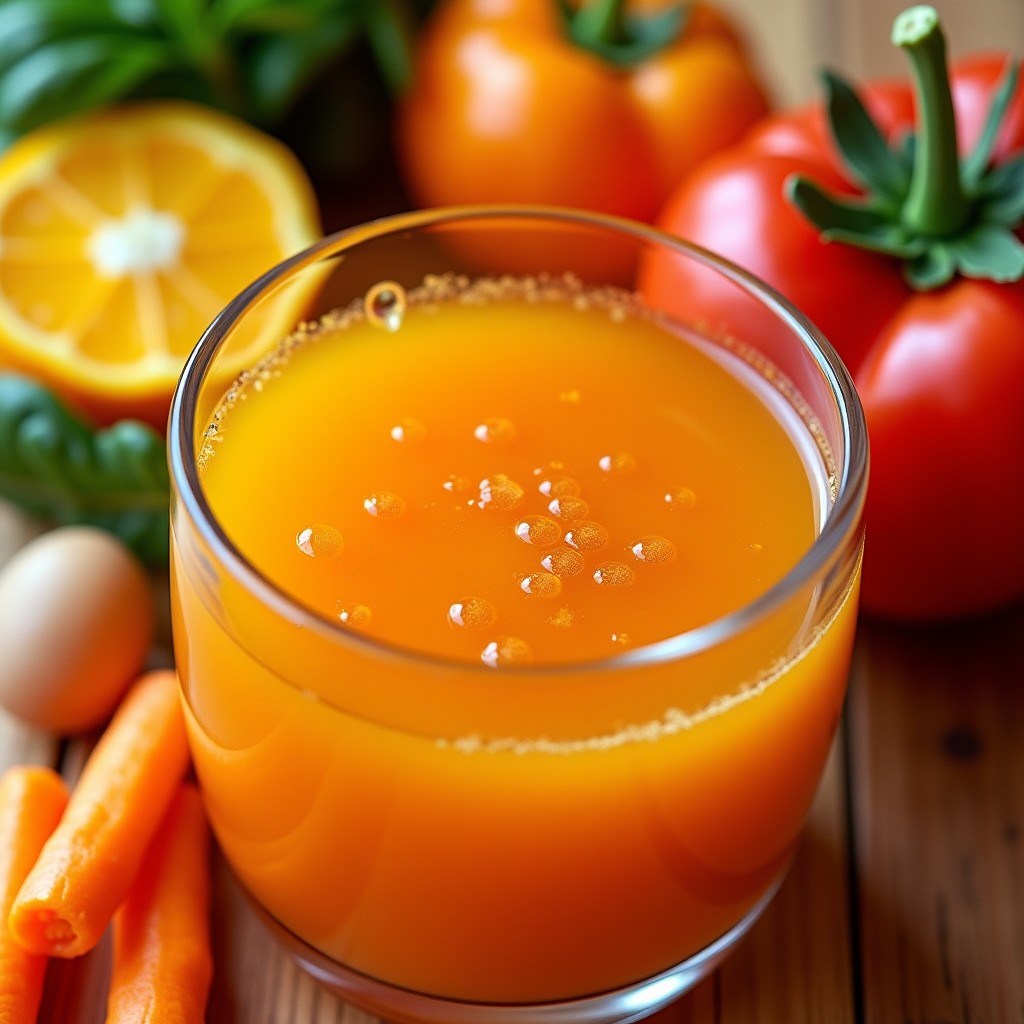
When you hear “Vitamin C,” you probably picture oranges, a glass of fresh orange juice, or a bright splash of lemon in your tea. But the world of foods rich in Vitamin C is far more colorful, especially if you love seasonal vegetables, traditional Indian soups, and plant‑based nutrition. In this guide I’ll walk you through the science, the history, the best ingredients, and practical tips to weave these immune‑supporting foods into everyday meals—whether you’re cooking a quick lunch in Mumbai or a hearty dinner in Bangalore.
Table of Contents
- Quick Answer
- What Is Foods Rich in Vitamin C?
- History or Background
- Nutritional Overview
- Health Benefits
- Why People Choose It
- Different Variations
- Best Ingredients
- How to Make It Better
- Common Mistakes
- Expert Tips
- When to Eat It
- Who Should Eat It
- Who Should Avoid It
- How It Fits Into a Healthy Lifestyle
- Buying Tips
- Serving Suggestions
- Storage Tips
- Frequently Asked Questions
- Conclusion
Quick Answer
Foods rich in Vitamin C include citrus fruits, berries, kiwi, guava, bell peppers, broccoli, tomatoes, and leafy greens. A single cup of raw red bell pepper delivers more than 300 % of the daily value, while a handful of fresh cilantro adds a subtle zing and a burst of antioxidants. Use these ingredients in soups, salads, or stir‑fries for a natural, tasty boost.
What Is Foods Rich in Vitamin C?
Vitamin C, also known as ascorbic acid, is a water‑soluble vitamin that our bodies cannot produce on their own. It acts as a powerful antioxidant, helps synthesize collagen, and aids iron absorption from plant‑based sources. When we talk about “foods rich in Vitamin C,” we refer to whole, natural items that contain high concentrations of this nutrient—typically measured in milligrams per 100 g.
History or Background
For centuries, Indian households have used lemon, tamarind, and amla (Indian gooseberry) to preserve foods and support health. British sailors in the 18th century famously ate lime to prevent scurvy—a disease caused by Vitamin C deficiency—earning them the nickname “limeys.” In Ayurvedic tradition, the bright, sour taste (known as “kashaya”) is linked to detoxification and rejuvenation, a concept that aligns perfectly with today’s science on immune‑supporting foods.
Nutritional Overview
The amount of Vitamin C varies widely:
- Red bell pepper (raw, 100 g): 190 mg
- Guava (raw, 100 g): 228 mg
- Kiwi (raw, 100 g): 93 mg
- Broccoli (steamed, 100 g): 89 mg
- Oranges (raw, 100 g): 53 mg
Besides Vitamin C, these foods deliver fiber‑rich foods, potassium, folate, and a suite of phytochemicals that support digestive health and overall wellness. When combined in a balanced diet, they become the building blocks of nutritious meals.
Health Benefits
Many nutrition experts recommend Vitamin C as part of a healthy lifestyle because it may help:
- Support a robust immune system during monsoon season.
- Maintain skin elasticity by aiding collagen formation.
- Enhance iron absorption from lentils, spinach, and other plant‑based sources.
- Reduce oxidative stress, which can support heart health.
- Promote faster recovery after intense workouts or long hikes around the Western Ghats.
Remember, these benefits are part of a holistic approach—no single food is a miracle cure.
Why People Choose It
Beyond health, there’s a sensory appeal. The tangy snap of a fresh lemon wedge, the bright crunch of a raw bell pepper, or the subtle sweetness of mango powder (amchur) can transform a bland broth into a vibrant, traditional Indian soup. In my experience, home cooks in Delhi often add a handful of raw coriander leaves at the end of cooking to preserve the vitamin content and add a fresh aroma.
Different Variations
Across India, you’ll find countless ways to incorporate Vitamin C‑rich foods:
- Tomato rasam – a tangy, spiced broth that’s a staple for lunch in South India.
- Amritsari mango soup – a chilled, sweet‑sour puree served during summer.
- Spinach and lemon dal – a comforting vegetarian soup with a citrus finish.
- Guava chutney – a side that adds a burst of Vitamin C to any meal.
Each variation showcases how natural ingredients can be the star of a dish, whether it’s a light meal or a hearty dinner.
Best Ingredients
When I shop at local markets in Bangalore, I look for these top picks:
- Red and yellow bell peppers – sweet, crunchy, and loaded with Vitamin C.
- Fresh cilantro and mint – herbaceous, aromatic, and retain most of their nutrients when added at the end of cooking.
- Amchur (dried mango powder) – a pantry staple that adds sourness without extra liquid.
- Guava and amla – tropical fruits that can be blended into soups or sipped as a refreshing drink.
- Tomatoes – versatile for soups, sauces, and even raw salads.
Choosing seasonal vegetables ensures peak flavor and maximum nutrient density. For example, winter tomatoes in Pune are sweeter and contain more Vitamin C than out‑of‑season imports.
How to Make It Better
Here are three quick tricks I use to preserve Vitamin C when cooking:
- Short, gentle heat. Over‑cooking can degrade ascorbic acid. A 5‑minute simmer for a fresh tomato soup retains most of the vitamin.
- Add acidic ingredients at the end. A splash of lemon juice or a pinch of amchur just before serving locks in brightness.
- Use minimal water. Steaming or sautéing vegetables instead of boiling reduces nutrient loss.
These simple steps keep your soups vibrant, whether you’re preparing a traditional Indian soup for family dinner or a quick vegetarian soup for a work‑from‑home lunch.
Common Mistakes
Even seasoned cooks slip up:
- Storing cut citrus fruits in the fridge for weeks—exposure to air reduces Vitamin C.
- Boiling vegetables for too long—heat destroys up to 50 % of the vitamin.
- Using canned tomatoes with added salt and sugar, which can mask the natural flavor and lower nutritional value.
Avoid these pitfalls and your meals will stay both tasty and nutritious.
Expert Tips
Nutritionists often suggest pairing Vitamin C‑rich foods with iron‑rich plant foods. For instance, a bowl of lentil soup topped with fresh cilantro and a squeeze of lime not only tastes great but also improves iron absorption. In my kitchen, I love adding a handful of raw spinach to a hot tomato soup just before turning off the heat—this preserves the vitamin content while giving the soup a beautiful green hue.
When to Eat It
Vitamin C is best absorbed on an empty stomach or with light meals. A morning bowl of fresh fruit salad, a midday vegetable stir‑fry, or an evening light soup are all excellent opportunities. During the monsoon, many families in Mumbai serve hot, tangy rasam after a day of rain to boost immunity.
Who Should Eat It
Everyone can benefit, but especially:
- Vegetarians and vegans looking to boost iron absorption.
- Athletes and outdoor enthusiasts who need quick recovery.
- Children and seniors, who may have higher vitamin requirements.
- Anyone aiming for a balanced diet rich in whole foods.
Who Should Avoid It
People with certain medical conditions—such as kidney stones formed from oxalates—might need to moderate high‑oxalate foods like spinach. Always consult a healthcare professional if you have specific concerns.
How It Fits Into a Healthy Lifestyle
Incorporating foods rich in Vitamin C is a natural step toward a wholesome, plant‑based nutrition plan. Pair them with fiber‑rich foods like lentils, whole grains, and nuts for a complete, satiating meal. A daily habit of sipping a fresh lemon‑ginger soup or enjoying a crisp salad with bell peppers can support digestive health and keep you feeling light throughout the day.
Buying Tips
When you’re at the market, look for:
- Bright, firm bell peppers with glossy skin—no soft spots.
- Tomatoes that are heavy for their size and have a smooth surface.
- Fresh herbs that smell fragrant, not wilted.
- Guava and amla that are slightly soft to the touch, indicating ripeness.
Buy in small batches and store in the refrigerator’s crisper drawer to keep them fresh for up to a week.
Serving Suggestions
Here are three ways to showcase Vitamin C‑rich ingredients:
- Fresh Soup: Blend raw tomatoes, red bell pepper, and a dash of lemon juice for a chilled gazpacho‑style soup.
- Vegetarian Soup: Simmer broccoli, carrots, and a handful of kale; finish with lime zest and cilantro.
- Traditional Indian Soup: Prepare a tangy tamarind rasam with crushed black pepper, curry leaves, and a squeeze of fresh lime.
Each option works as a healthy lunch, a light dinner, or a starter before a festive feast.
Storage Tips
To preserve Vitamin C:
- Keep citrus fruits in the fridge’s fruit drawer, unpeeled.
- Store cut bell peppers in airtight containers with a paper towel to absorb excess moisture.
- Freeze ripe mango or guava chunks on a tray, then transfer to a zip‑lock bag—great for smoothies later.
Remember, the longer the storage, the more the vitamin degrades, so aim to use fresh produce within a few days.
Frequently Asked Questions
- What is the best source of Vitamin C for vegans?
- Guava, red bell peppers, and kiwi are top choices, providing more than 100 % of the daily value per serving.
- Can cooking destroy Vitamin C?
- Heat can reduce Vitamin C, especially with prolonged boiling. Quick sautéing or steaming preserves most of the nutrient.
- Is tomato soup healthy?
- Yes, when made with fresh tomatoes, a little olive oil, and minimal cream, it offers a good dose of Vitamin C and antioxidants.
- Why is herbal soup popular in India?
- Herbal soups combine spices like ginger, turmeric, and fresh herbs, which are believed to support digestion and immunity, especially during the cooler months.
- How much Vitamin C do I need daily?
- Adults typically need 65–90 mg per day, but needs can increase during illness, pregnancy, or intense physical activity.
- Do frozen vegetables retain Vitamin C?
- Freezing locks in nutrients quickly after harvest, so frozen peas or spinach can be comparable to fresh, especially when used within a few months.
- Can I get enough Vitamin C from supplements alone?
- Supplements can help, but whole foods also provide fiber, phytonutrients, and the pleasure of flavor that pills can’t replace.
- Is it safe to drink lemon water every morning?
- For most people, a glass of warm water with a squeeze of lemon is gentle on the stomach and adds a modest Vitamin C boost.
- What are immune‑supporting foods besides Vitamin C?
- Foods rich in zinc (pumpkin seeds), vitamin D (fortified milks), and probiotics (yogurt) complement Vitamin C for a robust immune system.
- How does Vitamin C affect skin health?
- It supports collagen synthesis, which may help maintain skin elasticity and reduce the appearance of fine lines over time.
Conclusion
Choosing foods rich in Vitamin C is a simple, flavorful way to nourish your body and support a healthy lifestyle. From bright bell peppers to tangy tamarind rasam, the options are endless and adaptable to any cuisine—especially the comforting, nutrient‑dense soups that many of us love. In my experience, the most satisfying meals are those that combine fresh, seasonal ingredients with a dash of tradition.
Ready to explore more? Dive into our collection of wholesome vegetarian soups and discover how a bowl of fresh, immune‑supporting broth can become your go‑to comfort food. Visit our menu, learn more about us, or find a branch near you at our locations. For any questions, feel free to contact us or browse the latest recipes on our blog. Happy cooking, and may your kitchen always be filled with vibrant, Vitamin C‑packed goodness!