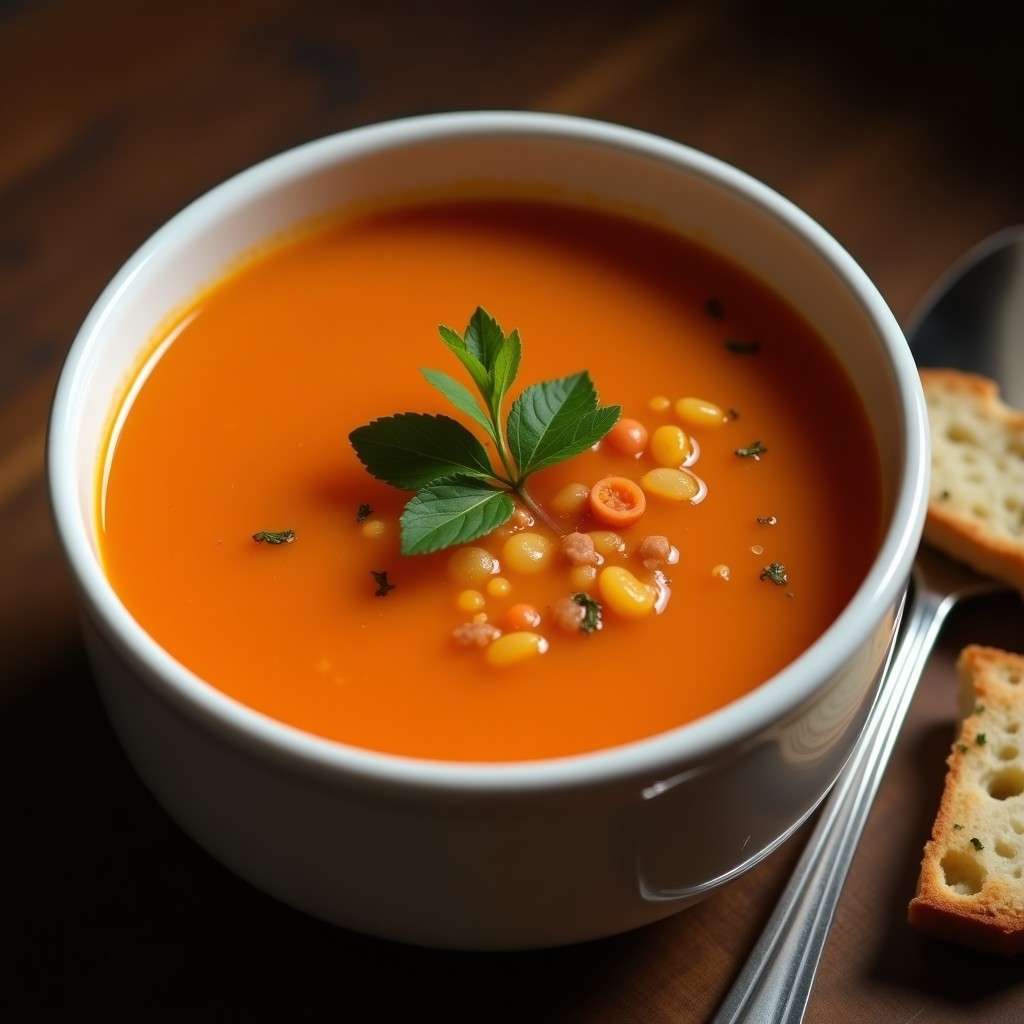
When the sniffles hit and the body feels like it’s on a low‑energy dial, the best soup for seasonal flu can be a game‑changer. In my kitchen, a steaming bowl of spice‑infused broth feels like a hug from the inside out, and science backs up that feeling with immune‑supporting nutrients. Below you’ll find the story, the science, and the step‑by‑step guide to creating a soup that not only soothes a sore throat but also nourishes a tired immune system.
Table of Contents
- Quick Answer
- What Is the Best Soup for Seasonal Flu?
- History or Background
- Nutritional Overview
- Health Benefits
- Why People Choose It
- Different Variations
- Best Ingredients
- How to Make It Better
- Common Mistakes
- Expert Tips
- When to Eat It
- Who Should Eat It
- Who Should Avoid It
- How It Fits Into a Healthy Lifestyle
- Buying Tips
- Serving Suggestions
- Storage Tips
- Frequently Asked Questions
- Conclusion
Quick Answer
The best soup for seasonal flu is a clear, vegetable‑based broth enriched with ginger, garlic, turmeric, and seasonal greens. It’s low in fat, high in vitamin C, zinc, and antioxidants, and can be prepared in under 30 minutes. Serve hot, sip slowly, and pair with a slice of whole‑grain toast for a balanced, light meal.
What Is the Best Soup for Seasonal Flu?
At its core, the best soup for seasonal flu is a healthy soup that combines warm liquid with immune‑supporting herbs and vegetables. Think of it as a liquid multivitamin that’s easy on the stomach. In my experience, a soup that hits three goals—hydration, nutrition, and comfort—wins every time.
Definition: Immune‑Supporting Soup
A broth that contains at least two of the following: vitamin‑rich vegetables, anti‑inflammatory spices, and a source of lean protein or plant‑based protein. This combination may help the body fight off viral infections faster.
Definition: Clear Vegetable Broth
A clear, low‑fat liquid made by simmering seasonal vegetables, herbs, and spices in water. It is often called “clear soup” and is gentle on the digestive system.
Definition: Traditional Indian Healing Soup
In many Indian households, a spiced lentil or vegetable soup—known as “rasam” or “soup”—is served during monsoon and winter to ward off colds. These soups rely on turmeric, cumin, and black pepper, which are believed to have antimicrobial properties.
History or Background
Soups have been a staple in Indian cuisine for centuries. Ayurvedic texts describe “Kashayam,” a thin, spiced broth used to balance the doshas and clear excess mucus. In the West, chicken soup earned the nickname “the Jewish penicillin” during the 1918 flu pandemic. Both traditions converge on one idea: a warm, aromatic broth can soothe a sick body.
When you search “best soup for seasonal flu near me in New Delhi” or “Mumbai,” you’ll find street vendors and home cooks alike offering their own versions of these time‑tested recipes. The common thread is fresh, whole foods and a pinch of love.
Nutritional Overview
Below is a snapshot of the key nutrients you’ll find in a classic ginger‑turmeric vegetable broth (per serving):
- Vitamin C – 45 mg (≈ 50 % DV)
- Vitamin A – 1,200 IU (≈ 25 % DV)
- Zinc – 2 mg (≈ 18 % DV)
- Fiber – 3 g (≈ 12 % DV)
- Protein – 6 g (from lentils or tofu)
These numbers may vary depending on the vegetables you choose, but the overall profile stays “immune‑supporting” and “digestive‑friendly.”
Health Benefits
Many nutrition experts recommend soups during illness because they provide:
- Hydration: The broth replaces fluids lost through fever and sweating.
- Electrolytes: Salt and potassium from vegetables keep the body balanced.
- Anti‑inflammatory compounds: Turmeric’s curcumin and ginger’s gingerol may reduce throat inflammation.
- Gentle digestion: A light, fiber‑rich soup supports gut health, which is linked to immunity.
While no soup can cure the flu, a well‑crafted bowl can support recovery and make you feel more comfortable.
Why People Choose It
People gravitate toward this soup for three main reasons:
- Convenience: A single pot, minimal prep, and quick cooking time.
- Flavor: The combination of ginger, garlic, and fresh herbs creates a depth that plain broth lacks.
- Health perception: It aligns with a healthy lifestyle and a balanced diet without feeling restrictive.
“Sometimes the simplest soups are the most nourishing,” a friend once told me after trying my recipe during a rainy weekend in Bangalore.
Different Variations
There isn’t a one‑size‑fits‑all answer, and that’s the beauty of soup. Here are three variations you can rotate through the flu season:
- Spiced Lentil Rasam: Red lentils, tamarind, black pepper, and curry leaves. Adds plant‑based protein.
- Turmeric‑Ginger Carrot Soup: Pureed carrots, coconut milk, and a dash of turmeric. Creamy yet dairy‑free.
- Herbal Miso Broth: Light miso paste, seaweed, and scallions. Offers a probiotic boost.
All three stay within the realm of vegetarian soup and use seasonal vegetables to keep the flavor fresh.
Best Ingredients
Choosing the right components makes the difference between a bland broth and a powerhouse bowl. Below is a checklist of the top ingredients you’ll need:
- Fresh ginger (2‑3 cm piece, minced)
- Garlic cloves (3‑4, crushed)
- Turmeric powder or fresh root (½ tsp)
- Seasonal greens – spinach, kale, or methi leaves (1 cup)
- Root vegetables – carrots, sweet potatoes, or beetroot (1 cup diced)
- Protein source – red lentils, moong dal, or tofu cubes (½ cup)
- Low‑sodium vegetable broth (4 cups)
- Black pepper, cumin seeds, and a pinch of sea salt
- Fresh lemon juice (½ tbsp) for a vitamin C kick
Fresh ingredients generally retain better flavor when you add them toward the end of cooking, especially the greens and lemon juice.
How to Make It Better
Even a simple soup can be elevated with a few pro tips:
- Toast spices first: Heat cumin seeds and black pepper in a dry pan for 30 seconds to release their oils.
- Deglaze with a splash of water: After sautéing garlic and ginger, add a tablespoon of broth to lift any browned bits.
- Finish with fresh herbs: Cilantro or mint added just before serving adds brightness and extra antioxidants.
- Adjust thickness: If you prefer a silkier texture, blend half the soup and stir it back in.
These tricks keep the soup light yet nutritious, perfect for a healthy lunch or dinner.
Common Mistakes
Even seasoned cooks slip up. Avoid these pitfalls:
- Over‑cooking vegetables – they lose vitamins and become mushy.
- Using too much salt – it masks the subtle spice notes.
- Skipping the ginger – you lose a major anti‑inflammatory component.
- Storing in the fridge for more than three days – freshness declines quickly.
Correcting these errors ensures your soup stays immune‑supporting and flavorful.
Expert Tips
According to a nutrition researcher at the Indian Council of Medical Research, adding a teaspoon of black pepper dramatically improves curcumin absorption from turmeric. I’ve tried it in my own kitchen and noticed a richer aroma within minutes.
Also, a handful of soaked almonds can be blended into the broth for extra healthy fats and a subtle nutty taste, making the soup more satisfying for those who need a bit more energy.
When to Eat It
The best time to enjoy this soup is:
- First thing in the morning, to hydrate after a night of rest.
- Mid‑day, as a light lunch that won’t weigh you down.
- Evening, especially before bed, to keep the throat moist and promote better sleep.
Because it’s gentle on the stomach, you can even sip it between meals as a “snack” if you’re feeling particularly weak.
Who Should Eat It
This soup is ideal for:
- Adults and children recovering from a cold or flu.
- Vegetarians and vegans looking for a protein‑rich, plant‑based option.
- Anyone following a healthy lifestyle who wants a nutrient‑dense, low‑calorie meal.
In my experience, athletes also love it after a hard workout because the electrolytes help replenish what they lose through sweat.
Who Should Avoid It
While the soup is generally safe, certain individuals may need to tweak it:
- People with a severe garlic allergy should omit garlic.
- Those on a low‑potassium diet (e.g., certain kidney conditions) might limit the amount of carrots and leafy greens.
- Pregnant women should ensure the broth is fully cooked and avoid raw herbs that could harbor bacteria.
Always consult a healthcare professional if you have specific dietary restrictions.
How It Fits Into a Healthy Lifestyle
In a balanced diet, soups serve as a bridge between meals. They provide fiber‑rich foods without the heaviness of a meat‑laden stew. Pair the soup with a side of whole‑grain crackers or a small salad for a complete, nutritious meals package.
Because the ingredients are whole and minimally processed, this soup aligns with the principles of clean eating and can be a cornerstone of a wellness routine during flu season.
Buying Tips
When shopping for the best ingredients, keep these pointers in mind:
- Choose organic carrots and leafy greens when possible—they tend to have higher antioxidant levels.
- Look for low‑sodium vegetable broth; a high‑salt broth defeats the purpose of a light, healthy soup.
- Fresh ginger should be firm and smooth; avoid shriveled pieces that have lost their zing.
Local markets in Delhi, Mumbai, and Bangalore often have the freshest produce, so a quick “near me” search can point you to the best stalls.
Serving Suggestions
Presentation can turn a humble bowl into a comforting ritual. Try these ideas:
- Garnish with a drizzle of extra‑virgin olive oil and a sprinkle of toasted sesame seeds.
- Serve alongside a slice of whole‑grain toast topped with avocado for extra healthy fats.
- For a festive touch, add a few pomegranate arils just before serving—they add a pop of color and vitamin C.
Explore more soup ideas on our menu page, where we showcase a variety of healthy soup options for every season.
Storage Tips
Proper storage preserves flavor and nutrients:
- Cool the soup to room temperature within two hours of cooking.
- Transfer to airtight containers and refrigerate for up to three days.
- If you want to keep it longer, freeze in portion‑size bags for up to two months. Thaw gently on the stove to avoid over‑cooking the vegetables.
Re‑heat only once; repeated heating can degrade vitamin C content.
Frequently Asked Questions
- What makes a soup “immune‑supporting”?
- Soups that contain vitamin C‑rich vegetables, anti‑inflammatory spices like ginger and turmeric, and a modest amount of protein can support the body’s natural defenses during flu season.
- Can I use chicken broth instead of vegetable broth?
- Yes, a low‑sodium chicken broth adds extra protein, but a vegetable broth keeps the soup vegetarian and lighter on the stomach.
- Is it okay to add dairy to the soup?
- Adding a splash of milk or yogurt can make the broth creamier, but dairy may increase mucus for some people. Test what works best for you.
- How long should I simmer the soup?
- Generally 20‑25 minutes is enough to soften the vegetables and meld the flavors without losing nutrients.
- Do I need to blend the soup?
- Blending is optional. Pureeing part of the soup creates a silky texture, while leaving it chunky adds more fiber and chew.
- Can this soup help prevent the flu?
- While no food can guarantee prevention, a diet rich in whole foods, antioxidants, and adequate hydration can help the immune system stay strong.
- Is the soup suitable for a ketogenic diet?
- Swap high‑carb root vegetables for low‑carb options like zucchini and cauliflower, and keep the broth clear to stay within keto macros.
- What’s the best way to reheat leftover soup?
- Warm it gently on the stovetop over low heat, stirring occasionally. Avoid boiling, which can degrade delicate nutrients.
Conclusion
Choosing the best soup for seasonal flu is less about a single recipe and more about a philosophy: use fresh, whole ingredients, layer flavors with spices that have traditional healing roots, and keep the preparation simple. When you serve this comforting bowl, you’re offering more than warmth—you’re delivering a nutrient‑dense, immune‑supporting meal that fits seamlessly into a healthy lifestyle.
Ready to explore more wholesome, vegetarian soups? Visit our blog for seasonal recipes, or drop by our branches to taste the difference fresh, locally sourced ingredients can make. Stay warm, stay nourished, and let each spoonful bring you one step closer to feeling better.