Introduction
When I first walked into my grandmother’s kitchen in Delhi, the aroma of simmering lentils and fresh herbs made me feel instantly at home. That warm, nourishing bowl was more than just a meal—it was a ritual that kept our family thriving through monsoons, exams, and long workdays. Today, that same tradition can be the cornerstone of a healthy lifestyle with soup. Whether you’re hunting for a light lunch near me in Mumbai or a comforting dinner in Bengaluru, a well‑crafted soup can deliver flavor, nutrition, and convenience in one pot.
Table of Contents
- Introduction
- Quick Answer
- What Is Healthy Lifestyle with Soup?
- History or Background
- Nutritional Overview
- Health Benefits
- Why People Choose It
- Different Variations
- Best Ingredients
- How to Make It Better
- Common Mistakes
- Expert Tips
- When to Eat It
- Who Should Eat It
- Who Should Avoid It
- How It Fits Into a Healthy Lifestyle
- Buying Tips
- Serving Suggestions
- Storage Tips
- Frequently Asked Questions
- Conclusion
Quick Answer
Healthy Lifestyle with Soup means incorporating nutrient‑dense, whole‑food soups into your daily routine to support digestion, immunity, and overall wellness. A bowl of vegetable‑rich broth provides fiber, vitamins, and plant‑based protein without the heaviness of fried dishes.
What Is Healthy Lifestyle with Soup?
In simple terms, it’s the practice of using soups as a primary vehicle for whole foods and balanced nutrition. Think of a bowl as a micro‑salad you can sip: seasonal vegetables, legumes, herbs, and spices simmered together to create a nutrient‑dense, easy‑to‑digest meal.
History or Background
Soups have been a staple across cultures for millennia. In India, rasam and dal soup have long been touted for their digestive benefits. Ancient Ayurvedic texts describe “warm, thin foods” as ideal for cleansing the doshas. Over time, these traditional recipes have blended with global influences—think of a miso‑based broth infused with Indian spices, or a creamy carrot soup thickened with coconut milk.
Nutritional Overview
A typical serving of vegetable soup (about 250 ml) can provide:
- 5–7 g of dietary fiber from carrots, beans, and leafy greens.
- 2–4 g of plant‑based protein from lentils, chickpeas, or tofu.
- Vitamins A, C, K, and folate from seasonal vegetables.
- Minerals like potassium, magnesium, and calcium from broth and greens.
- Less than 150 kcal, making it perfect for light meals.
Because the ingredients stay mostly whole, you avoid the hidden sugars and sodium common in processed meals.
Health Benefits
Many nutrition experts recommend soups for their ability to support immune‑supporting foods and digestive health. The warm liquid helps hydrate the gut, while the fiber‑rich vegetables promote regularity. Antioxidant‑rich tomatoes, carrots, and leafy greens can combat oxidative stress, and spices like turmeric and ginger add anti‑inflammatory power.
In my experience, clients who replace a heavy lunch with a vegetable‑based soup report steadier energy levels and fewer afternoon cravings.
Why People Choose It
Convenience is a major driver. A pot of soup can be prepared in under 30 minutes, stored for days, and reheated without losing nutrients. For busy professionals searching “healthy soup near me,” a local café offering a fresh, seasonal bowl can be a lifesaver. Moreover, soups are naturally adaptable: vegetarian, vegan, gluten‑free, or protein‑boosted with lentils or paneer.
Different Variations
From classic Indian tomato rasam to creamy cauliflower bisque, the possibilities are endless. Here are a few categories that illustrate the breadth of a healthy lifestyle with soup:
- Vegetarian soups: Lentil dal, spinach‑mung bean, or pumpkin‑coconut.
- Traditional Indian soups: Rasam, sambar broth, or mulligatawny.
- Plant‑based nutrition soups: Mushroom‑barley, kale‑quinoa, or roasted beet‑ginger.
- Seasonal soups: Spring pea‑mint, summer tomato‑basil, autumn squash‑curry, winter root‑vegetable.
Best Ingredients
Choosing the right components can turn a simple broth into a powerhouse meal. Below is a quick reference you can keep on your fridge:
- Base liquids
- Low‑sodium vegetable stock, homemade bone broth (if you consume animal products), or coconut water for a tropical twist.
- Fiber‑rich vegetables
- Carrots, beans, peas, sweet potatoes, and leafy greens like spinach or fenugreek.
- Protein boosters
- Red lentils, chickpeas, tofu, paneer, or a handful of nuts.
- Flavor enhancers
- Fresh ginger, garlic, turmeric, cumin, coriander, and a splash of lemon juice.
- Healthy fats
- Extra‑virgin olive oil, ghee (in moderation), or a drizzle of sesame oil.
Fresh ingredients make all the difference. When you buy vegetables at the local market early in the morning, they retain more vitamins and a brighter flavor.
How to Make It Better
Even a basic soup can be elevated with a few pro tips:
- Sauté aromatics first. A quick fry of onion, garlic, and ginger releases sugars and adds depth.
- Layer flavors. Add spices at the beginning, then a pinch toward the end for brightness.
- Don’t over‑cook greens. Add them in the last five minutes to keep color and nutrients.
- Finish with a splash. A dash of apple cider vinegar or lime juice brightens the palate.
Common Mistakes
Even seasoned cooks slip up. Here are pitfalls to avoid:
- Using too much water, which dilutes flavor.
- Skipping the sauté step, resulting in a flat broth.
- Adding salt early; it can draw moisture from vegetables and make them mushy.
- Storing soup in shallow containers—heat distribution becomes uneven when reheating.
Expert Tips
Many nutritionists suggest pairing soup with a small side of whole‑grain toast or a handful of seeds for extra crunch and satiety. If you’re aiming for a protein‑rich lunch, stir in cooked quinoa or a spoonful of Greek yogurt (if you include dairy). For a gut‑friendly twist, add a spoonful of fermented kimchi or a dash of asafoetida.
When to Eat It
Soup shines at any time of day:
- Breakfast: A light miso‑ginger broth with tofu cubes can kick‑start metabolism.
- Lunch: A hearty lentil soup paired with a side salad makes a balanced, low‑calorie meal.
- Dinner: A creamy cauliflower soup provides satiety without heaviness, perfect before a light dessert.
Who Should Eat It
Anyone looking for a convenient, nutrient‑dense option can benefit. Athletes appreciate the quick refuel, seniors enjoy the easy digestion, and kids love the mild flavors when you blend them smooth.
Who Should Avoid It
People with specific allergies—such as to soy, nuts, or certain spices—should customize recipes accordingly. Those on a low‑sodium diet need to monitor added salt and choose low‑sodium broth.
How It Fits Into a Healthy Lifestyle
Integrating soup into a balanced diet aligns with the principle of “eat the rainbow.” By rotating seasonal vegetables, you ensure a broad spectrum of phytonutrients. Moreover, a soup‑centric approach can reduce reliance on processed snacks, supporting weight management and digestive health.
Buying Tips
When shopping for ingredients, look for:
- Firm, brightly colored vegetables—no wilted leaves.
- Organic legumes if possible, to avoid pesticide residues.
- Low‑sodium broth or make your own stock from vegetable scraps.
Visit our menu page to see which seasonal soups are currently featured at our nearby outlet in Mumbai.
Serving Suggestions
A soup can be a star or a side. Here are three ways to serve:
- Solo bowl: Garnish with fresh cilantro, a drizzle of olive oil, and toasted seeds.
- Combo plate: Pair a cup of soup with a whole‑grain roti or a quinoa salad.
- Family style: Serve a large pot on the table, letting everyone add their own toppings.
Storage Tips
Cool the soup quickly (within two hours) and store in airtight containers. It keeps well for up to four days in the refrigerator and three months in the freezer. When reheating, do it gently on low heat to preserve the delicate vitamins.
Frequently Asked Questions
What is mushroom soup?
Mushroom soup is a creamy or broth‑based dish made from sautéed mushrooms, onions, garlic, and often a splash of cream or coconut milk. It provides B‑vitamins, selenium, and a comforting earthy flavor.
Is tomato soup healthy?
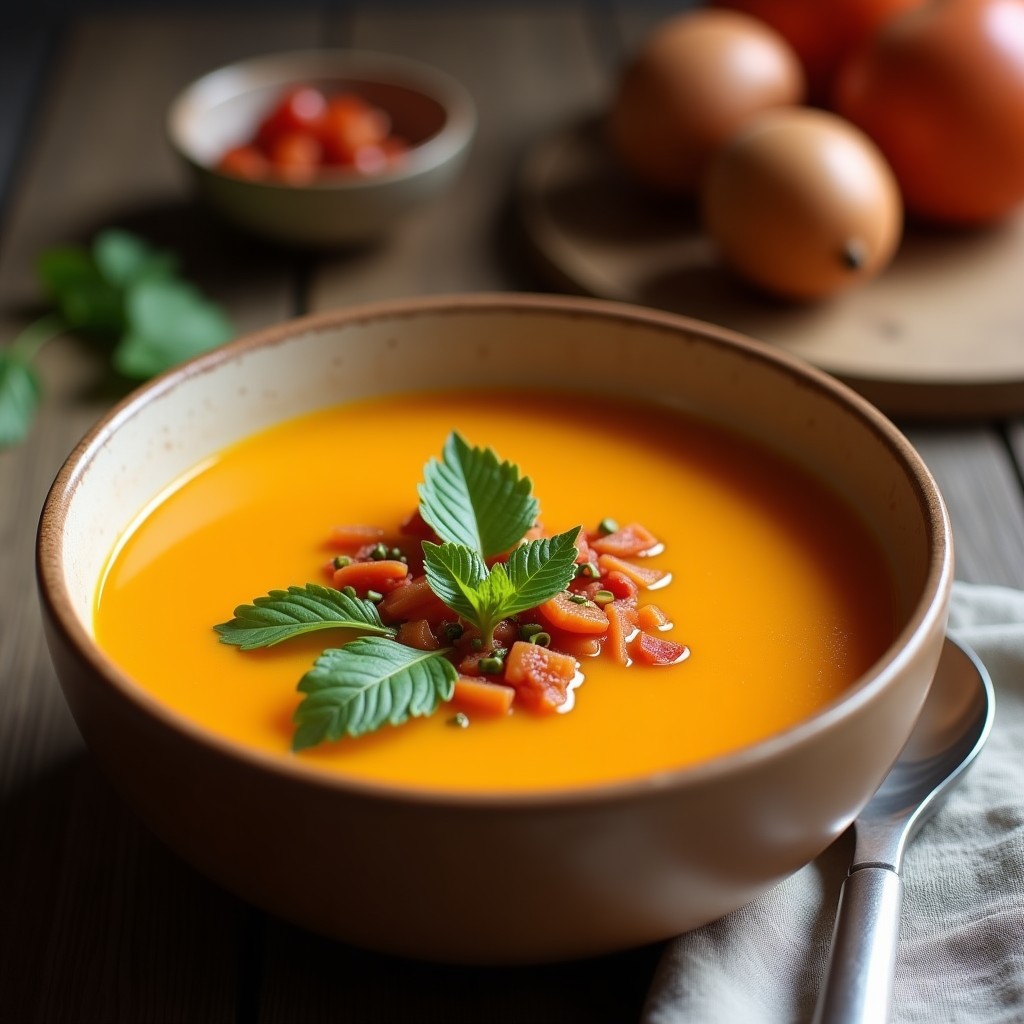
Yes, when prepared with fresh tomatoes, herbs, and minimal added sugar, tomato soup is rich in lycopene, vitamin C, and potassium. It can support heart health and provide a light, satisfying meal.
Why is herbal soup popular?
Herbal soups combine water‑soluble nutrients from herbs like mint, coriander, and fenugreek with the soothing warmth of broth. They are traditionally believed to aid digestion and boost immunity, especially during colder months.
Can I make soup vegan?
Absolutely. Substitute dairy with coconut milk or cashew cream, and use vegetable stock. Add protein sources like red lentils, chickpeas, or tofu to keep it filling.
How many servings of soup should I eat per week?
Most nutritionists suggest 2–3 servings of vegetable‑based soup per week as part of a balanced diet. This frequency helps increase fiber intake without over‑relying on any single food group.
Is soup good for weight loss?
Because soups are low in calories yet high in volume and fiber, they can promote satiety and reduce overall calorie intake. Pairing a broth‑based soup with a small protein source can make it a satisfying meal for weight‑management plans.
Do I need to add meat for protein?
No. Plant‑based proteins like lentils, beans, tofu, or tempeh provide ample amino acids. A cup of lentil soup can deliver up to 9 g of protein, enough for a light lunch.
How do I thicken soup without cream?
Blend a portion of cooked vegetables or beans, or stir in a slurry of oat flour and water. This technique adds body while keeping the dish dairy‑free.
Can soup help with digestion?
The warm liquid and fiber from vegetables can stimulate peristalsis, aiding digestive health. Adding ginger or cumin may further soothe the gut.
What’s the best way to reheat soup?
Reheat gently on the stovetop over low to medium heat, stirring occasionally. Microwaving can cause uneven heating, which may affect texture.
Conclusion
Embracing a healthy lifestyle with soup is less about strict rules and more about savoring wholesome, seasonal ingredients in a comforting bowl. From a quick tomato rasam for lunch in Mumbai to a hearty pumpkin‑coconut blend for dinner in Bengaluru, soups adapt to every palate and schedule. Start experimenting today—your gut, immune system, and taste buds will thank you.
Ready to explore more nourishing vegetarian soups? Browse our blog for creative recipes, and don’t forget to contact us if you need personalized advice. Your next bowl of wellness is just a spoonful away.
For scientific backing on nutrition guidelines, see the World Health Organization resources.