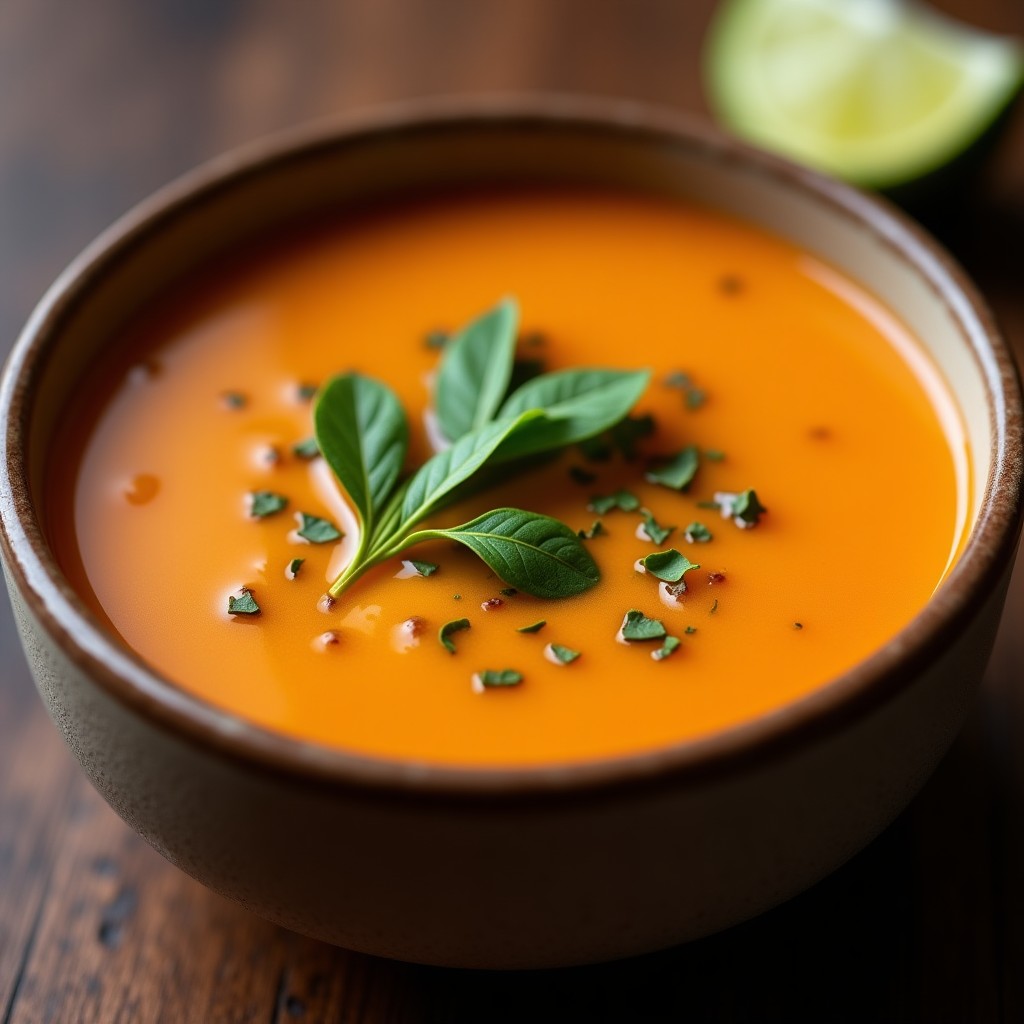
When a fever knocks you down, the first thing you crave is something soothing, light, and nourishing. In my experience as a food journalist and nutrition researcher, a well‑crafted soup can be the bridge between feeling miserable and getting back on your feet. Below you’ll find everything you need to know about the best soup during fever recovery, from classic Indian broths to quick plant‑based fixes that you can whip up in minutes.
Table of Contents
- Quick Answer
- What Is Best Soup During Fever Recovery?
- History or Background
- Nutritional Overview
- Health Benefits
- Why People Choose It
- Different Variations
- Best Ingredients
- How to Make It Better
- Common Mistakes
- Expert Tips
- When to Eat It
- Who Should Eat It
- Who Should Avoid It
- How It Fits Into a Healthy Lifestyle
- Buying Tips
- Serving Suggestions
- Storage Tips
- Frequently Asked Questions
- Conclusion
Quick Answer
The best soup during fever recovery is a clear, broth‑based soup loaded with seasonal vegetables, a touch of ginger, and a pinch of turmeric. It delivers fluid, electrolytes, and immune‑supporting nutrients without overwhelming a delicate stomach.
What Is Best Soup During Fever Recovery?
Think of it as a light, nutrient‑dense liquid meal. It’s not a heavy cream‑based chowder, but a gentle blend of water, aromatics, and fresh produce that replenishes lost fluids, supplies easy‑to‑digest protein, and offers antioxidants that may help the body bounce back faster.
History or Background
Traditional Indian households have long relied on “rasam” and “khichdi soup” to soothe feverish bodies. The practice dates back centuries, when Ayurvedic texts highlighted the healing power of warm, spiced broths. Even in colonial-era British India, soldiers were given “soup of the day” made from lentils and herbs to combat illness.
Nutritional Overview
During a fever, you lose water, salts, and vital micronutrients. A well‑balanced recovery soup typically contains:
- ~150‑200 ml of clear vegetable or chicken broth (sodium for re‑hydration)
- 1‑2 cups of chopped seasonal vegetables (vitamins A, C, K)
- ½ cup of lentils or split peas (plant‑based protein, fiber)
- Spices like turmeric, ginger, and black pepper (anti‑inflammatory compounds)
- A splash of lemon juice (vitamin C boost)
All these ingredients together provide a gentle source of calories, electrolytes, and antioxidants while staying easy on the digestive system.
Health Benefits
Many nutrition experts recommend broth‑based soups because they:
- Re‑hydrate the body and replace lost electrolytes.
- Supply easily digestible protein that supports tissue repair.
- Contain antioxidants that can support immune function.
- Are low‑fat and low‑sugar, helping maintain a balanced diet during recovery.
While soup isn’t a cure, it can certainly support the body’s natural healing processes.
Why People Choose It
People often reach for soup when they’re under the weather because it feels comforting, requires minimal chewing, and can be prepared with pantry staples. “Healthy eating doesn’t have to be complicated,” and a single bowl can pack a nutritional punch that a bland rice porridge might miss.
Different Variations
Here are three popular takes on the best soup during fever recovery that you’ll find across India and beyond:
- Ginger‑Turmeric Vegetable Broth – A clear veg stock spiked with fresh ginger, turmeric, and a handful of spinach.
- Lentil & Carrot Soup – Split red lentils simmered with carrots, cumin, and a dash of black pepper.
- Chicken & Methi Soup – Light chicken broth with fenugreek leaves, adding a subtle bitter note that stimulates digestion.
All three are vegetarian‑friendly (except the chicken version) and can be adapted to suit local tastes.
Best Ingredients
When you shop for the best soup during fever recovery, focus on whole foods that retain their nutrients:
- Seasonal vegetables – carrots, beans, zucchini, and leafy greens.
- Fresh ginger and turmeric – powerful anti‑inflammatory roots.
- Low‑sodium broth – homemade or store‑bought with minimal additives.
- Lentils or mung beans – plant‑based protein and fiber.
- Lemon or lime juice – a bright finish that adds vitamin C.
Fresh ingredients make all the difference, especially when your palate is dulled by fever.
How to Make It Better
Even a simple soup can be elevated with a few tricks:
- Toast spices briefly before adding them to the broth for deeper flavor.
- Finish with a drizzle of cold‑pressed sesame oil for a nutty aroma.
- Blend half the soup for a silky texture while keeping some chunks for bite.
These small steps keep the soup interesting without adding heavy cream or butter.
Common Mistakes
When you’re feeling ill, it’s easy to slip into shortcuts. Avoid these pitfalls:
- Using high‑sodium canned soups – they can dehydrate you further.
- Over‑cooking vegetables – nutrients leach out into the water and are discarded.
- Adding too much spice – a mild heat is soothing; excess can irritate the stomach.
Keep the broth clear and the flavors gentle.
Expert Tips
Many nutrition experts recommend adding a pinch of hing (asafoetida) to aid digestion, especially after a fever. In my kitchen, I also like to stir in a spoonful of homemade almond paste for a subtle richness that doesn’t overwhelm the palate.
When to Eat It
Best times to enjoy the soup are:
- First thing in the morning to re‑hydrate after a night of sweating.
- Mid‑day as a light lunch when appetite is low.
- Early evening, a few hours before bedtime, to avoid heavy meals that may disrupt sleep.
Remember, small, frequent meals are easier on a recovering digestive system.
Who Should Eat It
Anyone recovering from a fever can benefit, especially:
- Children and seniors who need gentle nutrition.
- Vegetarians seeking plant‑based protein.
- People following a whole‑food, balanced diet.
Who Should Avoid It
If you have a known allergy to any of the ingredients (e.g., lentils, ginger, or specific spices), skip them or substitute with safe alternatives. Those on a strict low‑potassium diet should limit high‑potassium veggies like spinach.
How It Fits Into a Healthy Lifestyle
In a busy world, a bowl of nourishing soup can be a cornerstone of a healthy lunch or dinner. Pair it with a side of whole‑grain toast for a balanced meal, and you’ve got a light, fiber‑rich option that supports digestive health and keeps you feeling satisfied.
Buying Tips
When you shop for soup ingredients near you (e.g., in Mumbai or Delhi), look for:
- Organic, locally grown vegetables – they’re fresher and often more nutrient‑dense.
- Low‑sodium, no‑preservative broth packets if you’re short on time.
- Whole‑spice packs rather than pre‑ground mixes for better flavor.
Local markets often have the best seasonal produce at a fraction of the supermarket price.
Serving Suggestions
Serve the soup hot, garnished with a sprinkle of fresh cilantro or a few slivered almonds. A slice of whole‑grain roti or a small portion of brown rice can turn the bowl into a complete, comforting meal.
Storage Tips
Cool the soup to room temperature before refrigerating. It keeps well for up to 48 hours in an airtight container. Reheat gently on the stove; avoid boiling, which can break down delicate nutrients.
Frequently Asked Questions
- What is the difference between chicken broth and vegetable broth for fever recovery?
- Chicken broth provides additional protein and collagen, while vegetable broth is lighter and suitable for vegetarians. Both hydrate, but choose based on dietary preferences.
- Is ginger safe to use if I have a sensitive stomach?
- Fresh ginger in small amounts is generally soothing and may aid digestion, but excessive ginger can cause irritation. Start with a half‑inch slice.
- Can I freeze the soup for later use?
- Yes, store in freezer‑safe containers for up to three months. Thaw in the fridge and reheat gently before serving.
- Why is turmeric recommended in recovery soups?
- Turmeric contains curcumin, an antioxidant that is traditionally believed to support immune health and reduce inflammation.
- How much salt should I add?
- Use a pinch of sea salt or a low‑sodium broth. Too much salt can increase dehydration, especially when you’re already losing fluids.
- Is it okay to add rice or noodles?
- Adding a small amount of cooked rice or noodles can make the soup more filling, but keep portions modest to avoid heaviness.
Conclusion
Finding the best soup during fever recovery is less about exotic recipes and more about choosing fresh, wholesome ingredients that hydrate, nourish, and comfort. Whether you’re sipping a ginger‑turmeric broth in Bengaluru or a lentil carrot soup in Delhi, the principles remain the same: keep it light, keep it nutrient‑rich, and enjoy it warm.
Feeling better soon? Explore more healthy vegetarian soups on our menu page, learn about our story at about us, or find a nearby outlet with branches near you. For any questions, drop us a line via contact. Stay nourished, stay healthy.
For further reading on the role of nutrition in recovery, see the World Health Organization’s guidelines on healthy diet recommendations.