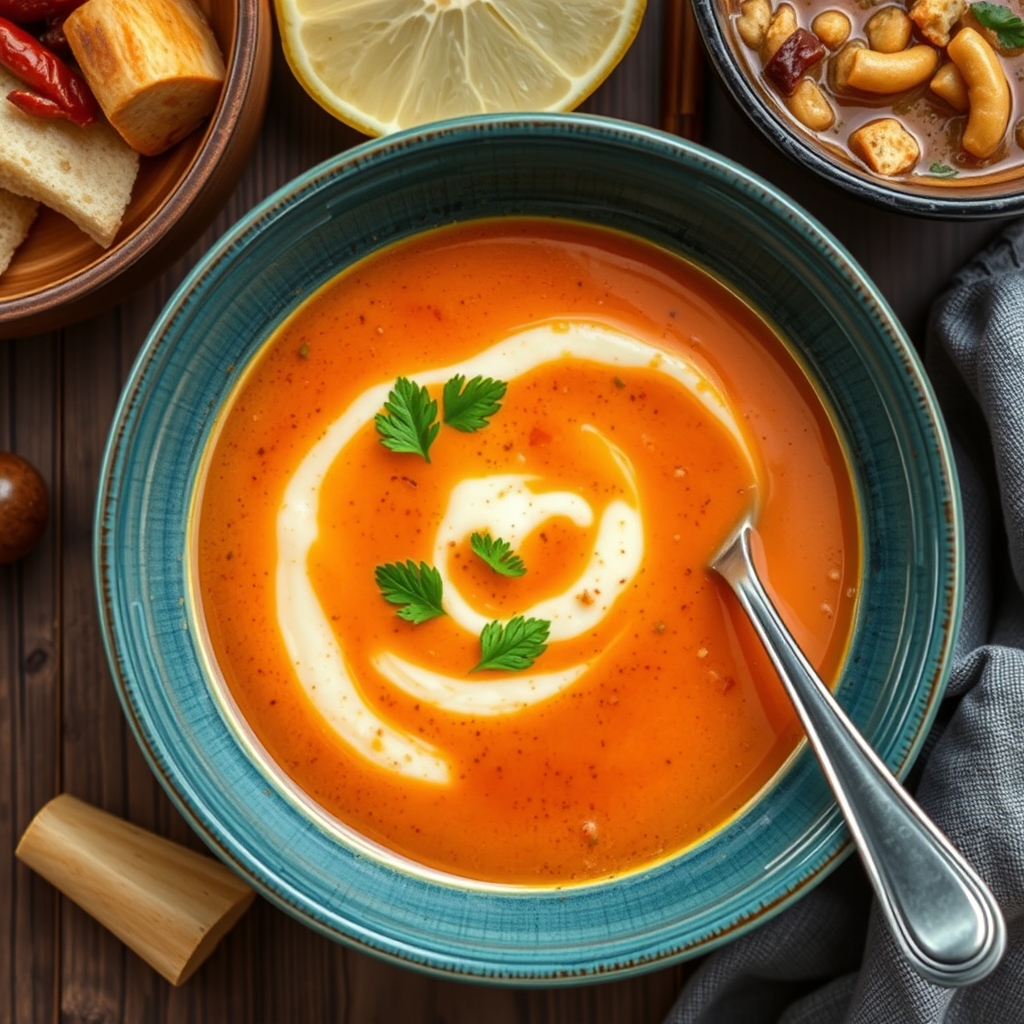
When you crave comfort without the heaviness, a well‑crafted soup can be the answer. In my years as a food journalist and nutrition researcher, I’ve tasted everything from street‑side rasam in Bangalore to farm‑fresh chowders in the hills of Himachal. The soups that stay with you long after the last spoonful are the ones that blend protein, fiber, and wholesome fats in a single, steaming bowl. Below you’ll find a deep‑dive into the world of healthy soups that keep you full, plus tips, tricks, and recipes that fit a busy, balanced diet.
Table of Contents
- Quick Answer
- What Are Healthy Soups That Keep You Full?
- A Bite of History
- Nutritional Overview
- Health Benefits
- Popular Variations
- Best Ingredients for Satiety
- How to Make It Better
- Common Mistakes
- Expert Tips
- When to Eat It
- Who Should Eat It?
- Who Should Avoid It?
- Fit for a Healthy Lifestyle
- Buying Tips
- Serving Suggestions
- Storage Tips
- Frequently Asked Questions
- Conclusion
Quick Answer
Healthy soups that keep you full are those that combine protein (like lentils or tofu), fiber‑rich vegetables, and a touch of healthy fat. A bowl of such soup can satisfy hunger for 3–4 hours, making it a perfect lunch or light dinner for anyone chasing a balanced diet.
What Are Healthy Soups That Keep You Full?
In simple terms, these are soups where the macronutrient profile is balanced to delay the return of hunger. They’re typically vegetarian or plant‑based, packed with seasonal vegetables, legumes, whole grains, and a drizzle of extra‑virgin olive oil or ghee. The broth itself is often made from bones (for non‑veg) or from simmered vegetables for a clean, fresh soup taste.
A Bite of History
Traditional Indian kitchens have long relied on soups—think rasam, dal ka shorba, and the coconut‑laden kuzhambu—as a way to warm the body and aid digestion. In the colder regions of the Himalayas, barley‑based soups were the go‑to for energy and warmth. These time‑tested recipes already embody the principle of satiety: they’re rich in legumes, nuts, and spices that keep the metabolism humming.
Nutritional Overview
Below is a snapshot of a typical 2‑cup serving of a lentil‑vegetable soup:
- Calories: 210‑250 kcal
- Protein: 12‑15 g
- Fiber: 7‑9 g
- Healthy fats: 6‑8 g (from oil or ghee)
- Vitamins: A, C, K, folate
- Minerals: Iron, potassium, magnesium
Those numbers can shift based on the base (broth vs. coconut milk) and the added grains (quinoa, barley). The key is the synergy between protein and fiber; together they slow gastric emptying, which is why you stay full longer.
Health Benefits
Many nutrition experts recommend a daily bowl of healthy soup for the following reasons:
- Satiety boost: Protein and fiber together curb cravings.
- Digestive health: Warm broth stimulates gut motility and the fiber feeds good bacteria.
- Immune‑supporting foods: Garlic, ginger, and turmeric are natural anti‑inflammatory agents.
- Weight‑friendly: Low energy density means you can eat a larger volume with fewer calories.
- Hydration: A cup of soup contributes to daily fluid intake, especially in hot Bangalore summers.
Popular Variations
Below are five crowd‑pleasing variations that fit the “keep you full” rule. All are vegetarian soup options, but you can swap in chicken or fish if you prefer.
- Masoor Dal Shorba: Red lentils, carrots, tomatoes, and a splash of lemon.
- Quinoa & Spinach Soup: Quinoa, baby spinach, and a hint of cumin‑coriander.
- Butternut Pumpkin & Chickpea Chowder: Creamy pumpkin, chickpeas, and a dash of smoked paprika.
- Mixed Mushroom & Barley Soup: Earthy mushrooms, barley, and thyme.
- Coconut Curry Lentil Soup: Coconut milk, red lentils, and a swirl of curry leaves.
Best Ingredients for Satiety
Choosing the right building blocks makes a world of difference. Here are my top picks:
| Ingredient | Why It Helps |
|---|---|
| Lentils & Beans | High protein + soluble fiber = slow digestion. |
| Whole Grains (Barley, Quinoa, Brown Rice) | Complex carbs keep blood sugar stable. |
| Root Vegetables (Carrot, Sweet Potato) | Fiber‑rich and naturally sweet. |
| Leafy Greens (Spinach, Kale) | Low‑calorie, nutrient‑dense, adds volume. |
| Healthy Fats (Olive Oil, Ghee, Coconut Milk) | Fat slows gastric emptying and adds flavor. |
| Spices (Turmeric, Cumin, Black Pepper) | Anti‑inflammatory and boost metabolism. |
How to Make It Better
Even a simple soup can be elevated with a few pro tricks:
- Sauté aromatics first: Onions, garlic, and ginger in a little oil release flavors that stay in the broth.
- Use homemade stock: Boiling vegetables (or bones) for 45 minutes creates a richer base than store‑bought cubes.
- Finish with a fresh herb: A sprinkle of cilantro, mint, or parsley brightens the palate.
- Blend partially: For a creamy texture without cream, blend half the soup and return it to the pot.
- Season at the end: Salt can dull flavors; add a pinch just before serving.
Common Mistakes
Below are pitfalls that can turn a wholesome bowl into a bland disappointment:
- Over‑cooking vegetables – they lose nutrients and become mushy.
- Relying on too much salt – it masks the natural sweetness of vegetables.
- Skipping the “fat” component – without a little oil, the soup may feel thin and unsatisfying.
- Using instant broth powders – they often contain hidden MSG and excess sodium.
Expert Tips
From my experience as a nutrition researcher and a traditional Indian food expert, these tips have saved my kitchen countless times:
- Batch‑cook and freeze: Make a large pot on a Sunday, portion into 2‑cup containers, and pop them in the freezer. A healthy lunch is ready in minutes.
- Season with citrus: A squeeze of lime or lemon at the end awakens the flavors and adds a dose of vitamin C.
- Layer textures: Add toasted seeds (pumpkin, sunflower) or a drizzle of nut butter for a satisfying crunch.
- Mind the temperature: Let the soup cool slightly before blending to avoid splatters and to preserve the nutrients of heat‑sensitive vegetables.
When to Eat It
These soups are versatile:
- Morning boost: A light vegetable broth can jump‑start digestion before a busy day in Bangalore’s tech parks.
- Post‑workout: Add quinoa and tofu for a protein‑rich recovery meal.
- Evening wind‑down: A warm bowl of dal shorba helps settle the stomach before bedtime.
Who Should Eat It?
Anyone looking for nutritious meals that fit a healthy lifestyle can benefit. Students, office workers, retirees, and athletes alike find that a bowl of soup curbs cravings and supplies steady energy. It’s especially good for those following a plant‑based nutrition plan or anyone wanting a light yet filling lunch.
Who Should Avoid It?
While soups are generally gentle, people with specific conditions should take note:
- Low‑sodium diets: Choose homemade broth and limit added salt.
- Kidney issues: Monitor potassium-rich ingredients like sweet potatoes.
- Allergies: Swap out nuts or legumes if you have sensitivities.
When in doubt, a quick chat with a dietitian can personalize the recipe to your needs.
Fit for a Healthy Lifestyle
In my experience, the most sustainable diets are those that feel enjoyable. A bowl of soup checks the boxes of balanced diet, immune‑supporting foods, and digestive health. Pair it with a slice of whole‑grain toast or a side salad, and you have a complete meal that keeps you full without weighing you down.
Buying Tips
When you shop for soup ingredients in local markets—say, the bustling stalls of Koramangala in Bangalore—keep these pointers in mind:
- Choose firm, bright‑colored vegetables; they have higher nutrient density.
- Pick whole‑grain lentils or beans rather than pre‑packed processed mixes.
- Look for extra‑virgin olive oil or cold‑pressed sesame oil for the best flavor and health profile.
- If you buy broth, read the label for sodium content; under 200 mg per cup is a good target.
Serving Suggestions
Here are three simple ways to present your soup for extra satisfaction:
- Soup in a Bread Bowl: Hollow out a round sourdough loaf and fill it with hot lentil soup. The crust adds crunch.
- Soup with a Side Salad: A mixed green salad with lemon‑tahini dressing balances the warm broth.
- Soup as a Base for a Bowl: Top with quinoa, roasted veggies, and a dollop of Greek yogurt for a protein‑packed power bowl.
Storage Tips
Proper storage preserves both flavor and safety:
- Refrigerate: Cool the soup to room temperature, then store in airtight containers for up to 4 days.
- Freeze: Portion into 2‑cup freezer bags. Label with date; use within 3 months.
- Reheat: Gently warm on the stove or microwave; avoid a rapid boil which can break down delicate nutrients.
Frequently Asked Questions
- What makes a soup “full‑filling”?
- Soups that combine protein (lentils, beans, tofu), fiber‑rich vegetables, and a touch of healthy fat delay the return of hunger, keeping you satisfied for 3–4 hours.
- Is tomato soup considered a healthy full‑meal option?
- Tomato soup can be part of a filling meal if you enrich it with beans or quinoa and add a drizzle of olive oil for healthy fat.
- Can I make a low‑sodium version for hypertension?
- Yes—use homemade vegetable broth, limit added salt, and season with herbs, lemon, and spices instead of salty stock cubes.
- How long can I keep homemade soup in the fridge?
- Store it in an airtight container for up to four days. For longer storage, freeze it; it retains quality for about three months.
- Why do some soups taste better the next day?
- Flavors continue to meld as the soup sits, especially when spices and herbs are involved. This is why batch‑cooking works well for busy weekdays.
- Are there any Indian soups that are especially high in protein?
- Masoor Dal Shorba, Moong Dal Soup, and a chickpea‑coconut curry broth are all protein‑rich, vegetarian options that stay true to Indian flavor profiles.
Conclusion
Finding healthy soups that keep you full is less about a single recipe and more about the principle of balance—protein, fiber, and a dash of healthy fat in a comforting broth. Whether you’re sipping a quick lunch near the office in Mumbai, enjoying a warm bowl after a morning jog in Bangalore, or feeding a family with a classic Indian rasam, the right soup can be both nourishing and satisfying. Explore the variations, experiment with seasonal vegetables, and make the most of your pantry staples. Ready for more inspiration? Check out our menu of fresh, plant‑based soups, dive deeper into the world of wholesome bowls on our blog, or get in touch via our contact page. Your next bowl of health is just a spoonful away. Healthy eating doesn’t have to be complicated.