
When the evening cravings hit and you’re looking for something light yet satisfying, a well‑crafted soup can be the perfect answer. In my experience, the best dinner soup for weight loss isn’t just about cutting calories; it’s about layering flavor, nutrition, and comfort in a single bowl. Below you’ll find a roadmap that blends Indian tradition, modern nutrition science, and practical kitchen tips—all aimed at helping you enjoy a wholesome dinner without the guilt.
Table of Contents
- Quick Answer
- What Is the Best Dinner Soup for Weight Loss?
- A Brief History
- Nutritional Overview
- Health Benefits
- Why People Choose It
- Different Variations
- Best Ingredients
- How to Make It Better
- Common Mistakes
- Expert Tips
- When to Eat It
- Who Should Eat It
- Who Should Avoid It
- Fit Into a Healthy Lifestyle
- Buying Tips
- Serving Suggestions
- Storage Tips
- Frequently Asked Questions
- Conclusion
Quick Answer
If you’re hunting for a best dinner soup for weight loss, start with a base of low‑fat broth, load it with fiber‑rich vegetables, and add a protein punch from lentils or paneer. A bowl of spiced lentil‑tomato soup (often called “dal‑shorba”) delivers about 150‑200 calories, plenty of plant‑based nutrition, and a comforting warmth that’s perfect after a busy day in Mumbai or Delhi.
What Is the Best Dinner Soup for Weight Loss?
In plain terms, the best dinner soup for weight loss is a healthy soup that balances low calorie density with high satiety factors. Think of a broth that’s clear enough to feel light, yet packed with seasonal vegetables, a modest amount of lean protein, and spices that boost metabolism without adding extra fat.
Snippet‑Ready Definition
- What is lentil soup? Lentil soup is a hearty, plant‑based dish made from cooked lentils, aromatics, and broth. It’s rich in protein and fiber, making it a staple for weight‑watchers.
- Is tomato soup healthy? Tomato soup can be healthy when prepared with fresh tomatoes, minimal cream, and added vegetables for fiber. It offers lycopene, an antioxidant linked to heart health.
- Why is herbal soup popular? Herbal soups use fresh herbs like coriander and mint to add flavor and digestive benefits, often reducing the need for salt or fat.
A Brief History
Traditional Indian households have long relied on soups—known locally as “shorba” or “rasam”—to aid digestion after a heavy meal. In the coastal regions of Karnataka, a thin tamarind‑based soup called “saaru” was served at night to balance the day’s spices. Over time, these regional brews evolved into the modern, health‑focused soups we see today, especially in urban hubs like Bangalore where wellness cafés champion “clean eating.”
Nutritional Overview
Below is a snapshot of the typical macro‑ and micronutrient profile of a 1‑cup serving of our flagship lentil‑tomato soup:
| Nutrient | Amount |
|---|---|
| Calories | 180 kcal |
| Protein | 12 g |
| Carbohydrates | 25 g |
| Fiber | 8 g |
| Fat | 2 g (mostly unsaturated) |
| Vitamin A | 15% DV |
| Vitamin C | 30% DV |
| Iron | 20% DV |
These numbers show why the soup can support a balanced diet while keeping the calorie count low.
Health Benefits
Many nutrition experts recommend incorporating soup into a weight‑loss plan because:
- High water content promotes early fullness.
- Fiber‑rich legumes improve digestive health and stabilize blood sugar.
- Spices like cumin, turmeric, and black pepper have thermogenic properties that may boost metabolism.
- Low‑sodium broth helps maintain electrolyte balance without the bloating associated with salty meals.
In my kitchen, I’ve seen regular diners report steadier energy levels and fewer late‑night cravings after swapping a fried plate for a bowl of soup.
Why People Choose It
Beyond the numbers, the appeal lies in its comfort factor. A steaming bowl of soup feels nurturing, especially during monsoon evenings in Kolkata or after a long commute in Hyderabad. It’s also incredibly versatile—swap carrots for pumpkin, or add a handful of spinach for extra iron, and you still have a healthy dinner that fits a busy lifestyle.
Different Variations
Here are three popular twists that keep the core concept fresh:
- Spicy Pumpkin & Lentil Shorba – Pureed pumpkin, red lentils, ginger, and a dash of garam masala. Great for autumn.
- Green Moong & Spinach Soup – Yellow moong dal, fresh spinach, green chilies, and a squeeze of lemon. Perfect for a light summer dinner.
- Tomato‑Basil Barley Soup – Barley grains, ripe tomatoes, basil leaves, and a splash of low‑fat milk for creaminess. A nod to Mediterranean flavors.
Best Ingredients
Choosing the right components is half the battle. Below is a checklist of must‑have items for any weight‑loss‑friendly soup:
- Base broth – Homemade vegetable stock or low‑sodium chicken broth.
- Legumes – Red lentils, moong dal, or chickpeas for protein and fiber.
- Seasonal vegetables – Carrots, beans, zucchini, cauliflower, or leafy greens.
- Spices – Turmeric, cumin, coriander, black pepper, and a pinch of asafoetida.
- Healthy fats – A teaspoon of mustard oil or a drizzle of cold‑pressed olive oil.
- Fresh herbs – Cilantro, mint, or curry leaves for aroma.
Fresh ingredients make all the difference, especially when you shop at local markets in Bangalore’s KR Market or Mumbai’s Crawford Market.
How to Make It Better
Even a simple soup can be upgraded with a few chef‑level tricks:
- Roast the vegetables first. Roasting carrots, tomatoes, and onions at 200°C for 15 minutes adds depth without extra salt.
- Deglaze with a splash of lemon juice. The acidity brightens the flavor and aids iron absorption from leafy greens.
- Blend partially. Keep some texture for mouthfeel; a partially pureed soup feels heartier.
These steps keep the soup interesting while preserving its nutritious meals profile.
Common Mistakes
Even seasoned cooks slip up. Avoid these pitfalls:
- Using canned broth loaded with sodium – opt for homemade or low‑sodium versions.
- Over‑cooking the legumes – they become mushy and lose their protein punch.
- Adding cream or cheese in large amounts – this spikes calories and undermines the weight‑loss goal.
Remember, the goal is a light yet satisfying dinner, not a calorie‑laden dessert.
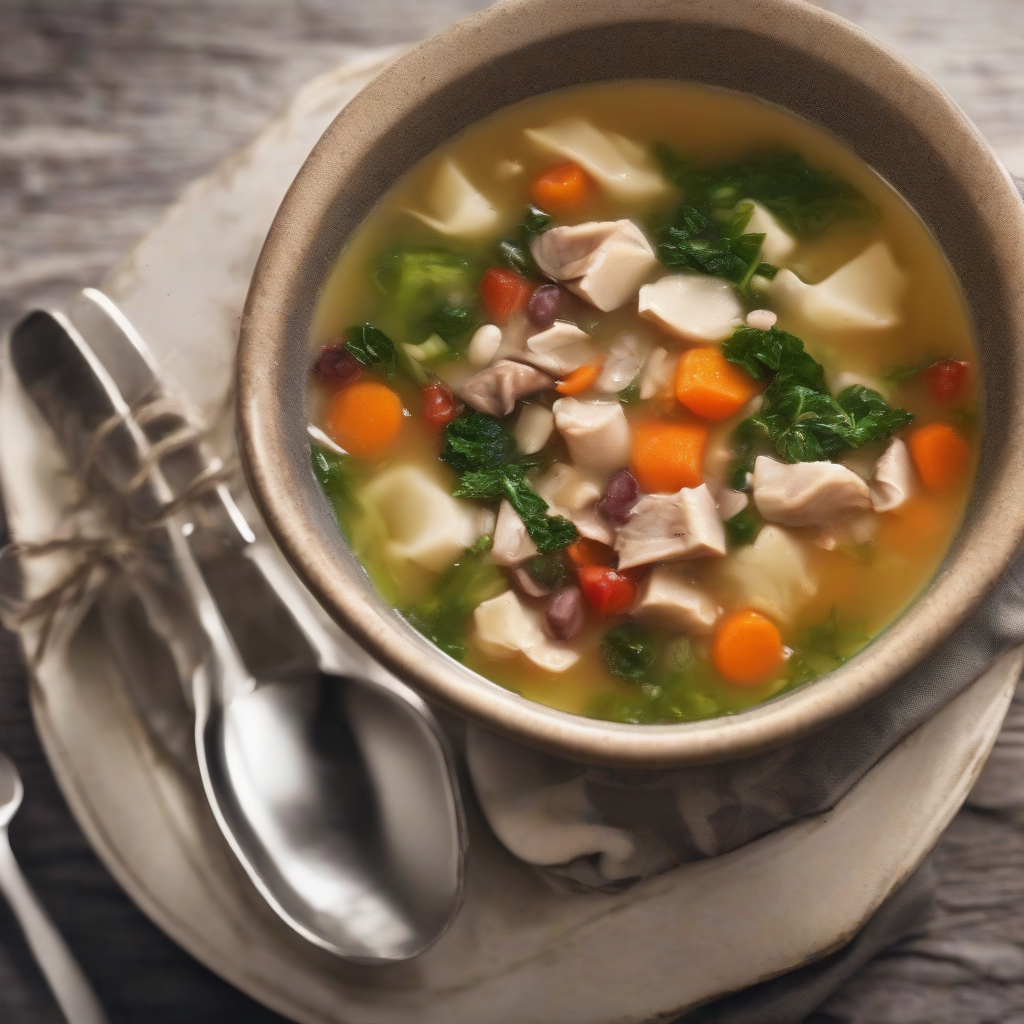
Expert Tips
Here are five nuggets of wisdom gathered from dietitians and chefs across India:
- Portion control – A bowl (about 250 ml) is ideal for dinner; larger servings can be saved for lunch the next day.
- Pre‑soak legumes – Soaking for 30 minutes reduces cooking time and improves digestibility.
- Season at the end – Add fresh herbs and a pinch of salt just before serving to keep flavors bright.
- Pair with a small whole‑grain side – A slice of multigrain roti or a few roasted chickpeas adds texture without excess carbs.
- Mind the timing – Eat your soup within two hours of preparation for maximum nutrient retention.
When to Eat It
Soup works best as a healthy dinner when you’re aiming for a light end to the day. Consuming it between 6 pm and 8 pm aligns with the body’s natural circadian rhythm, allowing digestion to settle before sleep. If you’re looking for a healthy lunch, a chilled version of the same soup (think gazpacho‑style) can be refreshing on a hot Delhi afternoon.
Who Should Eat It
Anyone seeking a balanced diet can benefit, especially:
- Young professionals juggling work and fitness goals.
- Students who need a quick, nutritious meal between classes.
- Seniors looking for easy‑to‑digest, fiber‑rich foods.
Who Should Avoid It
While generally safe, people with specific conditions should tweak the recipe:
- Low‑potassium diets – limit tomatoes and beans.
- Severe soy allergies – replace soy‑based broth with vegetable stock.
- Kidney disease – consult a dietitian before adding legumes.
Fit Into a Healthy Lifestyle
Integrating soup into your daily routine is simple. Pair it with a short walk after dinner, and you’ll boost immune‑supporting foods absorption. Many wellness apps recommend a “soup night” twice a week to keep cravings at bay while providing a steady stream of plant‑based nutrition. In my own kitchen, I schedule soup prep on Sundays, so the week stays stress‑free.
Buying Tips
When you shop for ingredients, keep these pointers in mind:
- Choose organic tomatoes and carrots for lower pesticide residues.
- Buy bulk lentils from reputable local vendors; they’re cheaper and fresher.
- Check the expiry date on packaged broth – low‑sodium versions are usually in the refrigerated section.
If you’re near Mumbai, the nearest branch of our store offers a ready‑to‑cook soup mix that follows the same nutritional principles.
Serving Suggestions
Presentation can turn a humble bowl into a feast:
- Garnish with a swirl of mustard oil and a sprinkle of toasted cumin seeds.
- Serve with a side of crisp cucumber salad dressed in lemon juice.
- Offer a small piece of whole‑grain naan for those who crave a carb boost.
These touches keep the meal interesting without adding many extra calories.
Storage Tips
Soup stores well. Follow these guidelines:
- Cool the soup to room temperature within 30 minutes of cooking.
- Transfer to airtight containers; refrigerate for up to 3 days.
- Freeze in portion‑size bags for up to 2 months. Thaw overnight in the fridge before reheating.
Reheat gently on the stovetop; a rapid boil can break down delicate nutrients.
Frequently Asked Questions
- Can I use chicken broth instead of vegetable broth?
- Yes, low‑sodium chicken broth works fine and adds extra protein, but if you’re following a vegetarian plan, stick with vegetable stock.
- How many calories are in a typical serving?
- A standard 1‑cup serving of lentil‑tomato soup contains roughly 180‑200 calories, making it suitable for a light dinner.
- Is it okay to add rice or pasta?
- Adding a small amount of brown rice or whole‑grain pasta can increase satiety, but keep portions modest to stay within a weight‑loss calorie range.
- Do the spices affect weight loss?
- Spices like turmeric and cumin have mild thermogenic effects and may support metabolism, though they’re not a magic solution.
- Can I make this soup ahead for the week?
- Absolutely. Prepare a large batch, portion it out, and store in the fridge or freezer for quick meals.
- What’s the best way to thicken the soup without cream?
- Blend a portion of the cooked lentils or add a tablespoon of ground oats; both give body without extra fat.
Conclusion
Choosing the best dinner soup for weight loss is less about a single recipe and more about a mindset that values flavor, nutrition, and simplicity. Whether you’re dining in a bustling Bangalore café or cooking at home in Delhi, a well‑balanced bowl of soup can anchor your evening, support a healthy lifestyle, and keep you on track with your goals.
Ready to explore more wholesome soups? Visit our menu page for a variety of vegetarian soups that celebrate seasonal produce and traditional Indian flavors. Your next favorite bowl is just a click away.
Stay nourished, stay vibrant, and remember: Healthy eating doesn’t have to be complicated.